
What to Expect on a Guided River Expedition?
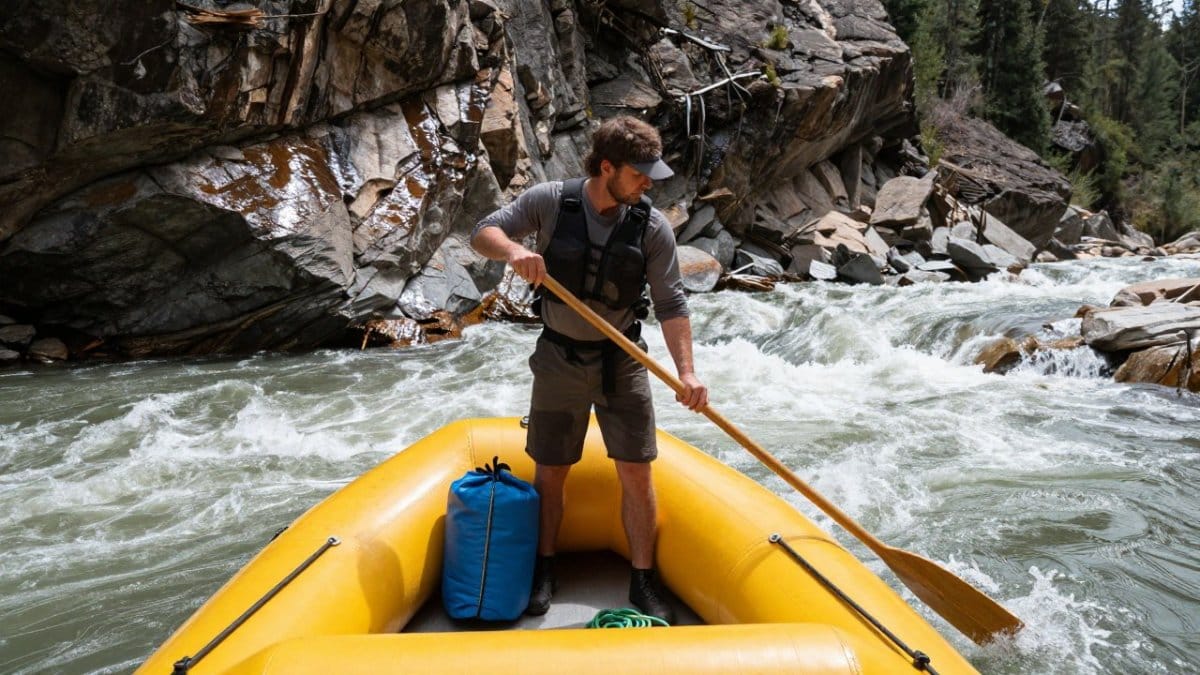
Last Updated: November 10, 2026
Quick Summary
A guided river expedition is built around the river rather than a fixed schedule, with your guide reading the water, calling paddle commands, and choosing where to stop. Most days mix rapids, calmer floats, and riverbank rests, and trips typically begin with a safety briefing before launch.
- Your guide reads the water, calls the commands, and decides where to stop.
- Guided trips typically start with a safety briefing covering paddling and swim position.
- Pack a dry bag for anything you do not want wet, plus sunscreen and a hat.
- Wear quick-dry synthetic layers and water shoes with a heel strap, not flip-flops.
- Sierra Mac has guided rafting trips near Yosemite since 1965.
Table of Contents
- Booking to Arrival: The Full Trip Timeline
- What a Guided River Expedition Involves Day to Day
- Check-In, Gear Fitting, and What to Pack for a River Trip
- What to Wear Whitewater Rafting, From Helmet to Footwear
- Guided Rafting Trip Safety Briefing and Emergency Procedures
- Typical Day on a Multi-Day Rafting Trip
- Booking Your Guided River Expedition With Sierra Mac
- Frequently Asked Questions
Booking to Arrival: The Full Trip Timeline
Planning a guided river expedition is simpler than most first-timers expect, but the timing matters. At Sierra Mac, we have guided rafters on the Tuolumne, Merced, and Cherry Creek rivers near Yosemite National Park since 1965. Most trips follow a clear sequence from the day you book to the moment you finish the river.
Start by choosing a trip length and river. For current prices and departure dates, check our website or request a quote before you plan your budget and calendar.
A typical timeline looks like this:
- Booking: Choose your river, date, and trip length
- Before departure: Review the packing guidance and confirm your party’s details
- Arrival: Check in, meet your guides, and get fitted for gear
- On the water: Safety briefing, then paddling with your guide
- Final day: Wrap up, unload gear, and head home
The trip moves through a clear sequence from booking to the final day on the river.
| Stage | What happens | Note |
|---|---|---|
| Booking | Choose river, date, and trip length | Check website or request a quote |
| Before departure | Review packing guidance and confirm party details | Plan budget and calendar early |
| Arrival | Check in, meet guides, get fitted for gear | First hands-on step on site |
| On the water | Safety briefing, then paddling with guide | Guide leads every stretch |
| Final day | Wrap up, unload gear, head home | Last step of the trip |
What a Guided River Expedition Involves Day to Day
A guided river trip is built around the river, not a fixed schedule. Your guide reads the water, calls the commands, and decides where to stop. Most of your day is spent paddling through rapids, floating calmer stretches, and resting on the riverbank between runs.
Expect river conditions to change with water levels and weather, so your guide may adjust the route on the spot.
Your role on the boat matters too. You will sit where your guide tells you, paddle when asked, and hold on when the boat drops into a wave. Passengers who listen and follow directions tend to have the smoothest trips.
Check-In, Gear Fitting, and What to Pack for a River Trip
Packing light makes a big difference. Use a dry bag for anything you do not want wet, and keep valuables in a waterproof container. Bring sunscreen, a hat, and clothing that dries quickly.
Pack these essentials:
- Sunscreen and a hat with a strap (the CDC)
- A dry bag for clothes and a towel
- Closed-toe shoes or river sandals with a heel strap
- A refillable water bottle
- A light rain layer, even in summer
What to Wear Whitewater Rafting, From Helmet to Footwear
Your clothing should handle cold water, sun, and splashes. Quick-dry synthetic layers work better than cotton, which stays wet and cold. Many guests wear a swimsuit underneath, then add a rash guard or light top for sun protection.
Footwear matters more than most people think. Wear sandals or water shoes with a heel strap that will not slip off in fast water. Avoid flip-flops, and skip anything with a loose sole.
If you are unsure about a specific item, ask your guide during booking. They can tell you what conditions to expect on your chosen river and season.
Guided Rafting Trip Safety Briefing and Emergency Procedures
Guided trips typically start with a safety briefing before you launch, covering how to paddle on command and how to position yourself if you fall in. Most first-timers remember the paddle commands but forget the swim position, so ask the guide to walk through it once on shore. Listening closely here prevents most problems on the water.
Passengers who are not in the water should hold on, stay low, and follow instructions without leaning toward the swimmer, because a sudden shift can tip the raft.
Communication on the river is mostly visual and verbal. Guides use short commands and hand signals because rapids are loud.
Ask your outfitter how their evacuation plan works on the specific river you book.
Conditions can change during the day, and your guide may adjust the plan as needed. Life vests and helmets are your main protection on the water.
For more on the technical side of river safety and fitness, read our overview of class V whitewater safety techniques and fitness guidelines.
Typical Day on a Multi-Day Rafting Trip
A multi-day trip gives you more time on the river and a chance to settle into a camp routine. Days usually begin before sunrise with coffee and breakfast, followed by a packing and loading period. Guides typically aim to be on the water by mid-morning, which gives time to pack the boats and avoid the strongest afternoon wind. The launch is often the most rushed part of the day, so keep your sleeping bag and daypack ready the night before.
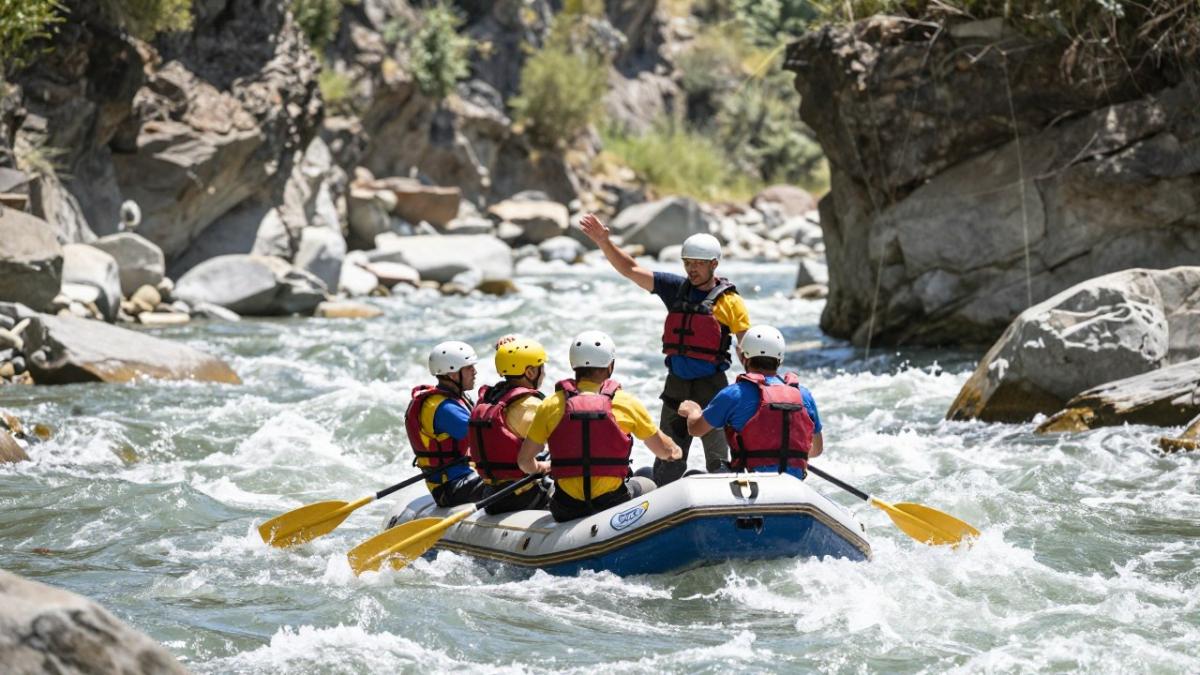
Staying hydrated matters more than most people expect, so drink water steadily throughout the day, even when you do not feel thirsty.
To see what a multi-day trip looks like in practice, explore our multi-day Yosemite rafting trips and the meals we serve on the river.
Sun exposure on the water adds up fast, so reapply sunscreen throughout the day.
Booking Your Guided River Expedition With Sierra Mac
Ready to plan your trip? Check our current rates and departure dates for Cherry Creek, Upper Tuolumne, Main Tuolumne, and Merced trips. When you are ready to reserve, use our reservations page to pick your river and date.
Sierra Mac has run guided rafting trips near Yosemite since 1965, so our guides know these rivers well. Contact us with any questions about your trip length or group size.
Yosemite’s rivers reward a well-prepared group. Choose your river, book your date, and let our guides handle the water. Book your guided river expedition with Sierra Mac and plan the trip you have been wanting.
Frequently Asked Questions
What are the must-haves for a river trip?
The essentials are a properly fitted life jacket and helmet, which your outfitter should provide, plus a dry bag for anything you want to keep dry, sunscreen, a hat, sunglasses with a retainer strap, sturdy closed-toe water shoes with heel straps, and a refillable water bottle. Pack a light rain layer and a change of clothes for the drive home. Leave jewelry and anything irreplaceable at home. Ask Sierra Mac for its current packing list before you travel, since requirements can change with the season, the river, and trip length.
Can a beginner do class 4 rapids?
Many first-time rafters run Class IV water, but it depends on your swimming ability, fitness, and comfort in cold, fast water. Be honest about your experience when you book so the outfitter can help match you to the right river and section. Be honest about your experience when you book so the outfitter can match you to the right river and section.
What should I wear on a river expedition?
Wear quick-drying synthetic or wool clothing and avoid cotton, which stays cold when wet. Quick-dry shorts or pants, a long-sleeve sun shirt, and water shoes with heel straps work well. Bring a warm layer for cool mornings and evenings, since canyon temperatures can drop after sunset. Sunscreen, a hat, and sunglasses with a strap are important because most of the day is spent in open sun reflecting off the water.