
Benefits of Guided Multi-Day River Adventures
Last Updated: November 19, 2026
Quick Summary
Guided multi-day river adventures are fully outfitted rafting expeditions that run beyond a single day, with professional guides handling navigation, camp setup, meals, and safety so guests can focus on the experience. Multi-day river adventures trade a crowded put-in for a quiet camp and a real wilderness experience. For families with kids 12 and up, a two- or three-day trip usually hits the sweet spot.
- Paddling works your core, shoulders, and back hour after hour, but the effort scales to the water.
- Guides set up camp, cook, and clean up, which is the difference between a vacation and a logistics project.
- Ask any outfitter directly what rescue training and wilderness medical certification its crew holds before you book.
- Cotton stays wet and pulls heat from your body at camp, the most common comfort mistake we see.
- Pack for the trip’s coldest expected night, not its warmest day.
Table of Contents
- Why Guided Multi-Day River Adventures Beat a Day on the Water
- The Physical and Mental Payoff of a Multi-Day River Trip
- Guided vs. Self-Guided Rafting: What Expert Guidance Actually Buys You
- Single-Day vs. Multi-Day Rafting: Which Trip Length Fits Your Group
- Class V Rafting Trips and the Confidence They Build
- Your Multi-Day Rafting Trip Packing List
- What a Guided River Adventure Costs and What’s Included
- Book Your Guided Multi-Day River Adventure
- Frequently Asked Questions
Why Guided Multi-Day River Adventures Beat a Day on the Water
A guided multi-day river adventure is a fully outfitted rafting expedition that runs beyond a single day, with professional guides handling navigation, camp setup, meals, and safety so guests can focus on the experience.
The difference shows up fast. A single-day trip gives you a taste of whitewater and then sends you back to the parking lot. Multi-day river adventures put you inside a canyon at dusk, camped beside moving water, with the crowds and the road noise far behind you. You can also browse the multi-day Yosemite rafting trips we run to see the routes themselves.
The Physical and Mental Payoff of a Multi-Day River Trip
The most immediate benefit of a multi-day river trip is that it removes you from screens, schedules, and traffic for days at a stretch. That distance from daily life is hard to replicate on a four-hour outing.
Fitness, Active Recreation, and Time Off Screens
Paddling works your core, shoulders, and back hour after hour, but the effort scales to the water. Calm-water stretches let you coast and look around; rapids demand real engagement.
Stress Relief and Mental Well-Being on the River
Water, rhythm, and repetition do something to a busy mind. A multi-day trip builds in unstructured hours: drifting, swimming, sitting on a rock above camp.
Guided vs. Self-Guided Rafting: What Expert Guidance Actually Buys You
Guided rafting means a professional river guide reads the water, sets the line through each rapid, and manages camp and safety for the group. Self-guided means you and your party handle all of it, usually on water you already know.
That distinction matters most on multi-day trips, where conditions shift daily. A river guide carries local knowledge of flows, hazards, and weather patterns, and adjusts the plan as the river changes. If you want to see who actually leads these trips, meet our experienced guides before you decide.
| Factor | Guided Trip | Self-Guided Trip |
|---|---|---|
| Navigation | Guide reads water and sets lines | You plan and scout every rapid |
| Safety | Guide carries rescue training and gear | Your group supplies its own |
| Camp and meals | Often handled by the crew | Entirely on you |
| Best for | First-timers, families, remote canyons | Experienced paddlers on familiar water |
The common mistake is assuming self-guided saves money on a remote canyon. It can, but only if your group already has the skills, gear, and rescue experience to manage a loaded raft overnight.
What a Guide Actually Does Before, During, and After the Rapids
The table above is the summary.
Before launch: the safety briefing and equipment check. On a self-guided trip, that checklist is yours to build from scratch, and a missed item is not discovered until it matters.
On the water: reading changing conditions. River flow, weather, and water temperature can shift between morning and afternoon, and a multi-day trip crosses water that a day trip never reaches.
At camp: the logistics layer.
In an emergency: the plan nobody wants to use. Self-guided parties can carry a satellite messenger and a first-aid kit, but they are improvising the response in the moment.
Ask any outfitter directly what rescue training and wilderness medical certification its crew holds before you book.
The Trade-Off, Stated Honestly
Self-guided travel is not a lesser choice for an experienced party on water it knows well. It is a different product with a different risk profile. The honest comparison is not guided versus self-guided in the abstract; it is whether your group can independently handle navigation, rescue, camp logistics, and an emergency on the specific river and season you have chosen. If the answer is anything short of a confident yes, the guided version is the better value, not because it is more convenient, but because it removes the failure modes you cannot see from the put-in.
Single-Day vs. Multi-Day Rafting: Which Trip Length Fits Your Group
Single-day rafting suits tight schedules and first tastes of whitewater. Multi-day rafting suits anyone who wants the full wilderness experience, a relaxed pace, and camp under the stars.
Weigh it honestly:
Multi-day pros: deeper immersion, access to remote sections, side adventures, stronger group connection, no daily drive in and out.
Multi-day cons: higher cost, more gear, a bigger time commitment, and a schedule that runs on river time rather than yours.
Single-day pros: low commitment, lower cost, easy to fit into a park visit.
Single-day cons: crowds at popular put-ins, no camping, and only a slice of the river.
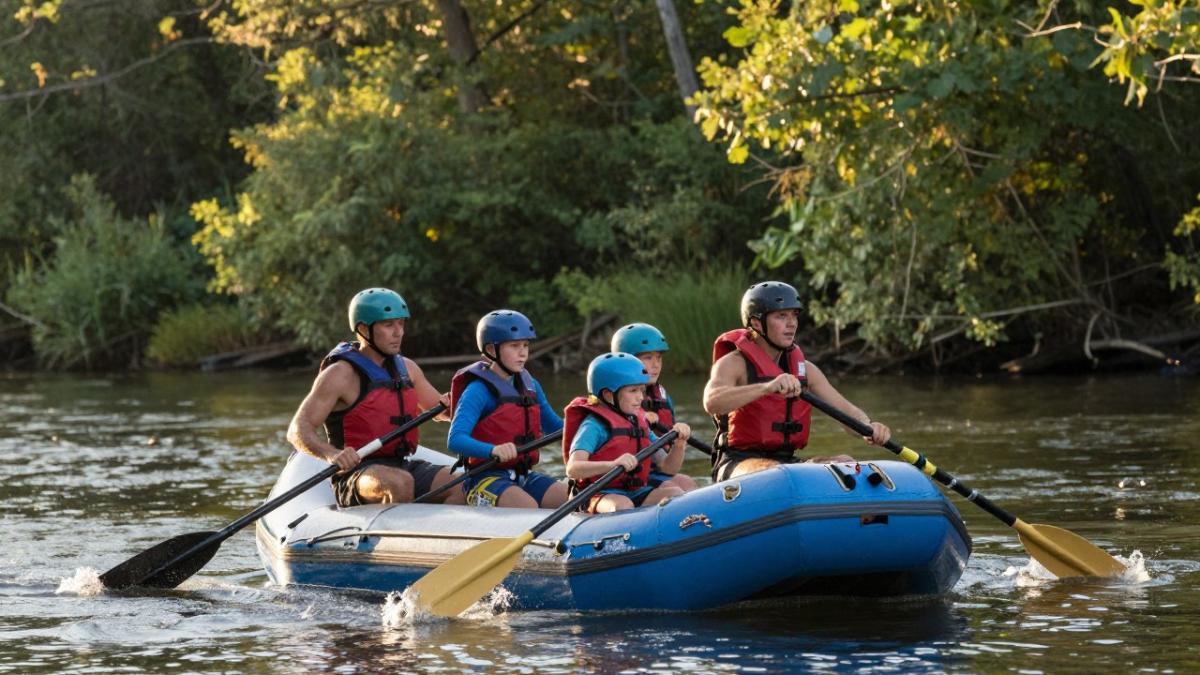
For families with kids 12 and up, a two- or three-day trip usually hits the sweet spot. There is enough time to settle in without stretching anyone’s stamina.
Class V Rafting Trips and the Confidence They Build
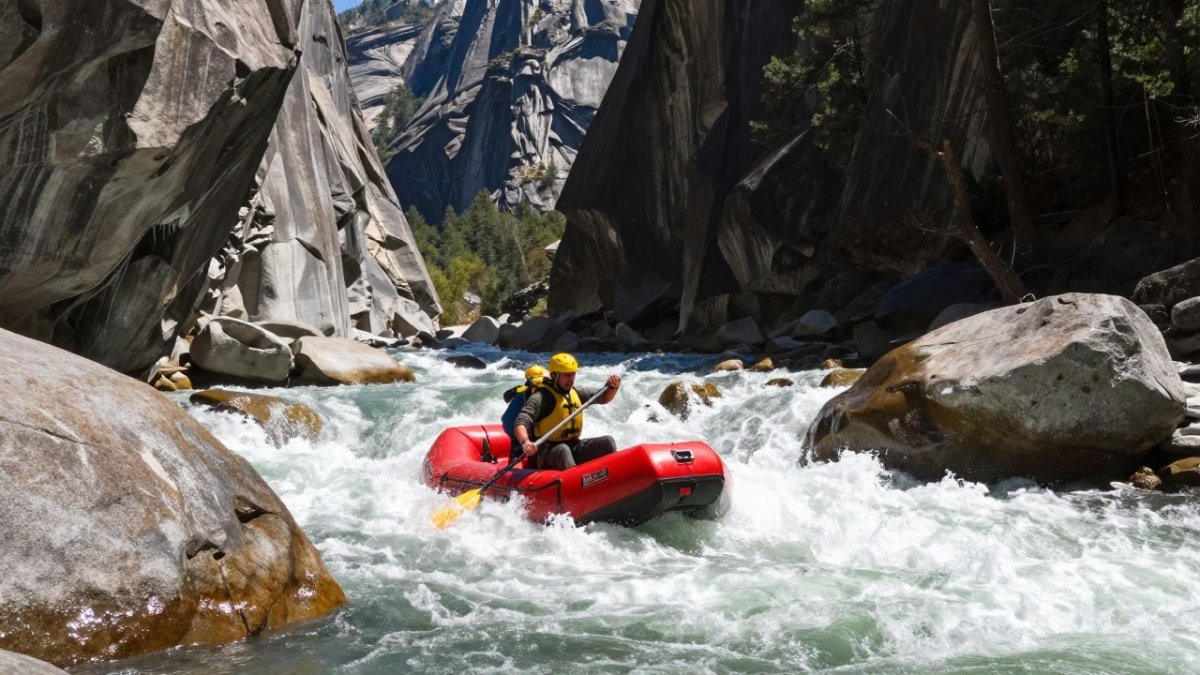
Class V rafting trips are highly demanding whitewater, with long rapids, big drops, and serious consequences for a mistake. They are also where guests report the biggest jump in confidence.
Teamwork and communication matter on these trips: everyone paddles together, or the raft does not go where it needs to. If you want to see the most challenging water we run, explore our Cherry Creek and Upper Tuolumne trips.
Your Multi-Day Rafting Trip Packing List
A multi-day rafting trip packing list covers three categories: what you wear on the water, what you sleep in, and what keeps you comfortable at camp. Pack light, quick-dry, and layer.
- Quick-dry shorts and synthetic layers, no cotton
- Water shoes or sandals with a heel strap
- Warm layer and dry clothes for camp, kept in a dry bag
- Sun protection: hat, sunglasses with a strap, reef-safe sunscreen
- Reusable water bottle and a small day bag for side hikes
- Sleeping bag and pad if your outfitter does not supply them
- Headlamp, personal toiletries, and any medication
- A waterproof phone case and a dry bag for valuables
Watch out: cotton stays wet and pulls heat from your body at camp, which is the single most common comfort mistake we see. For a fuller breakdown, check our multi-day packing guide.
What Outfitters Typically Provide, and What Stays Yours
The checklist above is the short version. The longer version starts with a question every first-time multi-day rafter should ask before packing: what does the outfitter already supply?
That split matters because overpacking is the most common first-timer error, and it is usually caused by bringing gear the crew already carries. Ask for the outfitter’s written packing list and treat it as the authority, it reflects the specific river, season, and camp setup, which a generic list cannot.
Layering for the Water and for Camp
Think in three layers and pack them separately. A base layer wicks moisture; a mid layer insulates; an outer layer blocks wind and splash. On the water, most guests wear quick-dry shorts and a synthetic top, with a splash jacket or light rain layer within reach. At camp, the temperature often drops fast after sunset, so a dry insulating layer and dry socks kept in a sealed dry bag are worth their weight.
Footwear deserves its own line. Water shoes or sandals with a heel strap stay on in moving water and protect your feet at rocky put-ins; flimsy flip-flops do neither. Bring a second pair of dry camp shoes or sandals so your river shoes can dry overnight.
Sleep, Sun, and Small Systems
Sleeping gear depends on the outfitter and the season. If tents and pads are not supplied, a three-season sleeping bag rated for the trip’s expected nighttime low and an insulated pad are the minimum. A headlamp beats a phone flashlight at camp, and a small stuff sack of personal toiletries, biodegradable soap, a toothbrush, and any medication in a waterproof bag, covers the rest.
Sun protection is not optional on the water, where reflection off the surface doubles the exposure. A brimmed hat, sunglasses with a retention strap, and sunscreen you can reapply during the day belong in your day bag, not the bottom of a dry bag. A reusable water bottle and a small day pack for side hikes round out the on-water kit.
Packing Systems That Keep Gear Dry
Dry bags are the backbone of multi-day packing. Use one large dry bag for camp clothes and sleeping gear, a smaller one for items you need during the day, and a waterproof phone case for electronics. Line the inside of your main bag with a trash bag as a cheap second barrier, and pack items you will need first at the top. Label your bags, on a multi-raft trip, gear gets moved, and a labeled bag comes back to the right person.
Watch out: pack for the trip’s coldest expected night, not its warmest day. Guests who pack only for afternoon temperatures are the ones borrowing fleeces at camp.
What a Guided River Adventure Costs and What’s Included
Pricing for a guided river adventure depends on trip length, river, season, and group size. For current pricing and availability, contact Sierra Mac directly.
For current pricing and dates, view our rates and dates.
Book Your Guided Multi-Day River Adventure
The river rewards people who commit to more than a day. Multi-day river adventures trade a crowded put-in for a quiet camp, a rushed float for a real wilderness experience, and a photo op for a story your group will retell for years.
That is the work Sierra Mac has done since 1965, as a family-owned outfitter. Our trips range from mild floats to Class V expeditions, and we are based just 15 miles from Yosemite’s northwest entrance. Get started with Sierra Mac and turn a day on the water into a trip your group will talk about for years.
Frequently Asked Questions
What should I pack for a guided river trip?
Start with what the outfitter provides, then fill gaps. Bring quick-dry layers, a warm synthetic or fleece top for evenings, river sandals plus closed-toe shoes, a wide-brim hat, sunscreen, lip balm, a refillable water bottle, a headlamp, and a dry bag for personal items. Skip cotton, which stays wet and chills you at camp. Pack light: most multi-day trips limit you to one small duffel. Ask your outfitter for their specific multi-day rafting trip packing list before you shop.
Is a multi-day rafting trip suitable for beginners?
Yes, provided you choose the right river section and difficulty level. Class V rafting trips are a different matter and usually require prior paddling experience, solid swimming ability, and a reasonable fitness base. Tell the outfitter your group’s experience honestly, including kids’ ages and any non-swimmers.
How does a guide improve safety on a whitewater rafting trip?
A river guide reads changing river conditions, chooses the line through each rapid, and runs a safety briefing before launch. That expertise matters most on remote canyon sections where help is hours away. Ask any outfitter how many guides travel per raft and what rescue training they hold.
What are Class V rapids, and who should attempt them?
Class V rapids are the highest commercially run difficulty rating: long, violent, and demanding, with tight routes and serious consequences for a missed line. They suit fit, confident paddlers with prior whitewater experience. Beginners should build up gradually before attempting them. On a guided trip, the guide’s skill does much of the work, but you still need to paddle on command and stay calm if you swim.