Best Month for White Water Rafting: A Season Guide
Table of Contents
- How the Whitewater Rafting Season Actually Works
- Rafting Water Levels Explained: CFS, River Gauges, and What They Mean for Your Trip
- Month-by-Month White Water Rafting Conditions
- Beginner vs. Expert Rafting Months: Matching the River to Your Skill Level
- Gear Requirements by Season for White Water Rafting
- Climate Trends, Crowd Windows, and Booking Timing
- Conclusion
Last Updated: August 25, 2026
How the Whitewater Rafting Season Actually Works
Timing a white water rafting trip correctly separates a transcendent experience from a disappointing one. According to [Dataintelo’s Whitewater Rafting(/yosemite-river-rafting-trips/) Outfitter Market Outlook | dataintelo.com], the global whitewater rafting outfitter market was valued at $4.8 billion in 2025, with North America accounting for $1.84 billion of that total. At Sierra Mac, we’ve guided guests on the Tuolumne, Merced, and Cherry Creek rivers since 1965, and the single question we hear most often is: what month is best for white water rafting? The honest answer is that it depends on water levels, your skill level, and what kind of experience you’re after.
The whitewater rafting season is not simply "summer." It’s a moving window shaped by snowpack, rainfall, and river hydrology.
Natural Flow Rivers vs. Dam-Controlled Rivers
Natural flow rivers are driven entirely by snowmelt and precipitation. These rivers follow a predictable seasonal arc: low in late fall and winter, rising sharply through spring snowmelt, peaking in late May or June, then dropping steadily through summer. The Tuolumne and Merced rivers near Yosemite are both natural flow rivers, shaped by Sierra Nevada snowpack.
Dam-controlled rivers operate differently. Releases from upstream reservoirs can extend or create a rafting season regardless of natural precipitation, making them more predictable but often less wild.
The practical implication: if you’re planning a trip on a natural flow river, check the snowpack report for the relevant Sierra watershed before you book. A late-season trip in August on a low-snowpack year can mean flat, sluggish water on rivers that should be pumping.
Rafting Water Levels Explained: CFS, River Gauges, and What They Mean for Your Trip
River flow is measured in CFS (cubic feet per second), the volume of water passing a fixed point each second. This single number determines whether a river is runnable, mellow, or dangerously high.
Most rivers have a published "optimal range" for rafting. River gauges, maintained by the U.S. Geological Survey, report CFS in real time and are publicly accessible online. A hydrograph, a graph plotting CFS over time across a season, shows the typical seasonal arc for any given river and helps you visualize when flows peak and when they taper.
Checking a river gauge before booking is the single most useful thing any prospective rafter can do. A river running at 2,000 CFS in early June feels completely different from the same river at 600 CFS in late August. The rapids change character, the swim risk changes, and the gear requirements change.
| Season | Typical CFS Range | Water Character | Best Skill Level |
|---|---|---|---|
| April-May | High (1,500-5,000+) | Big waves, fast current | Intermediate-Expert |
| June | Peak (varies by snowpack) | Maximum intensity | Experienced-Expert |
| July-August | Moderate-Low (400-1,500) | Mellow, warm, accessible | Beginner-Intermediate |
| September-October | Low-Moderate (200-800) | Technical, precise | Intermediate-Expert |
Month-by-Month White Water Rafting Conditions
The whitewater rafting season runs differently for every river, but the broad seasonal arc holds across most Sierra Nevada waterways.
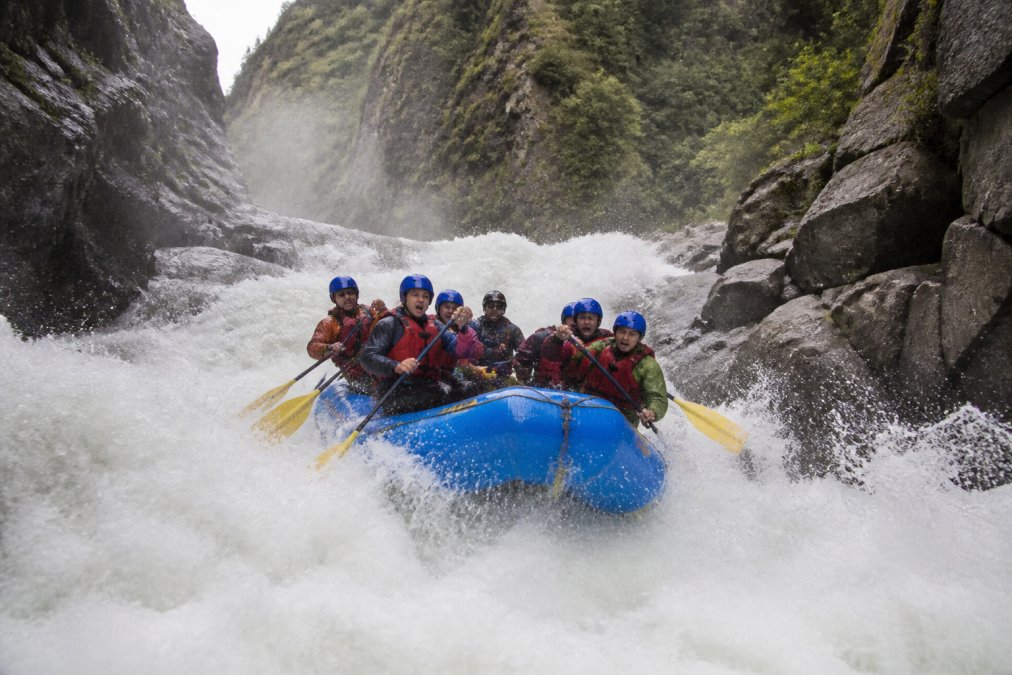
Spring (April-May): High Water, Snowmelt, and Big Whitewater
Spring is the most powerful and least forgiving window of the rafting season. Sierra Nevada snowmelt pushes river runoff to its highest levels of the year, translating to fast currents, big wave trains, and hydraulics that demand respect. CFS readings on rivers like the Tuolumne can climb well above 3,000 during peak spring runoff, producing genuinely exciting whitewater but requiring experienced paddling and sound judgment from your guide team.
Spring delivers the most intense rapids of the year, but water temperatures in April and May can sit below 50°F, making a swim uncomfortable and potentially dangerous without proper thermal protection. Full wetsuits or drysuits are mandatory safety equipment.
[Spring trips on natural flow rivers](/yosemite-spring-rafting-trips/) require proper thermal protection. Water temperatures below 50°F can cause cold shock and rapid incapacitation. Never rely on air temperature as a guide for what to wear on the river.
Early Summer (June): Peak Flows and Maximum Intensity
June is the season’s most contested month. Peak snowmelt typically arrives in late May through mid-June, pushing flows to their seasonal maximum. This produces the biggest rapids, the fastest water, and the most technically demanding conditions of the year. For experienced paddlers seeking the full adrenaline experience, June is the target month. For families with younger or less experienced members, it’s often the wrong choice.
"The 2026 rafting season is shaping up to be a low-water year across much of the West. At the same time, low-water years bring positive complements to high-water years. Lower peak-flow periods will make trips accessible to more people earlier in the season, particularly families with younger kids."
— Seth Davis, Director of Operations at OARS (2026 Rafting Outlook, 2026)
In a low-snowpack year like 2026, June’s flows may be closer to what July normally delivers, which actually opens the month to a wider range of skill levels than usual.
Mid-to-Late Summer (July-August): Warm Water, Family-Friendly Conditions
This is the sweet spot for most families and first-timers. By July, river levels on natural flow rivers have dropped to their most manageable range. Water temperatures climb into the 60s°F, making a swim far less alarming. The rapids remain genuinely exciting, Class III-IV conditions on rivers like the Tuolumne, but the extreme hydraulics of spring have mellowed into something more accessible.
July and August also offer the longest daylight hours, the warmest air temperatures, and the most stable weather windows for multi-day camping trips. Families with children aged 12 and up who are new to whitewater consistently report the best experiences in this window.
The trade-off: this is peak season. The U.S. National Park Service recorded over 4.2 million river permit applications in 2025 for major whitewater corridors. Book early, or plan to miss your preferred dates.
Fall (September-October): Technical Rapids and Shoulder Season Perks
Fall is the most underrated window in the rafting calendar. Lower water volumes expose more of the riverbed, transforming wide wave trains into precise, technical rapids that reward skilled paddling. The crowds thin dramatically, campsite availability opens up, and temperatures remain pleasant through September.
For intermediate and experienced rafters, fall offers solitude and a quieter canyon experience that feels genuinely remote. The shoulder season also tends to bring more flexible scheduling from outfitters.
The limitation: fall is not ideal for beginners. Lower CFS means more exposed rocks, more technical maneuvering, and less margin for error.
Beginner vs. Expert Rafting Months: Matching the River to Your Skill Level
The right month for white water rafting depends entirely on your paddling experience.
Beginners and families should target July through early August. Flows are moderate, water is warm, and Class III-IV rapids deliver real excitement without overwhelming someone new to the sport.
Intermediate paddlers have the widest seasonal window. Late May through June offers higher intensity; September through early October delivers technical challenge at lower flows.
Expert and experienced rafters should look at June for maximum water volume and intensity, or fall for technical precision at low flows. Cherry Creek, one of the most demanding commercial runs available, is best attempted when flows are within the optimal range for that Class V stretch.
According to American Whitewater’s risk analysis covering 7.4 million user days, commercially guided whitewater rafting has a fatality rate of 0.45 per 100,000 user days, lower than recreational swimming, bicycling, or rock climbing. That safety record is built on matching skill level to conditions.
The safest and most enjoyable white water rafting trips happen when the river’s seasonal character matches the paddler’s actual skill level, not the skill level they wish they had.
Gear Requirements by Season for White Water Rafting
Gear requirements shift meaningfully across the season, and getting this wrong is one of the most common mistakes first-time rafters make.
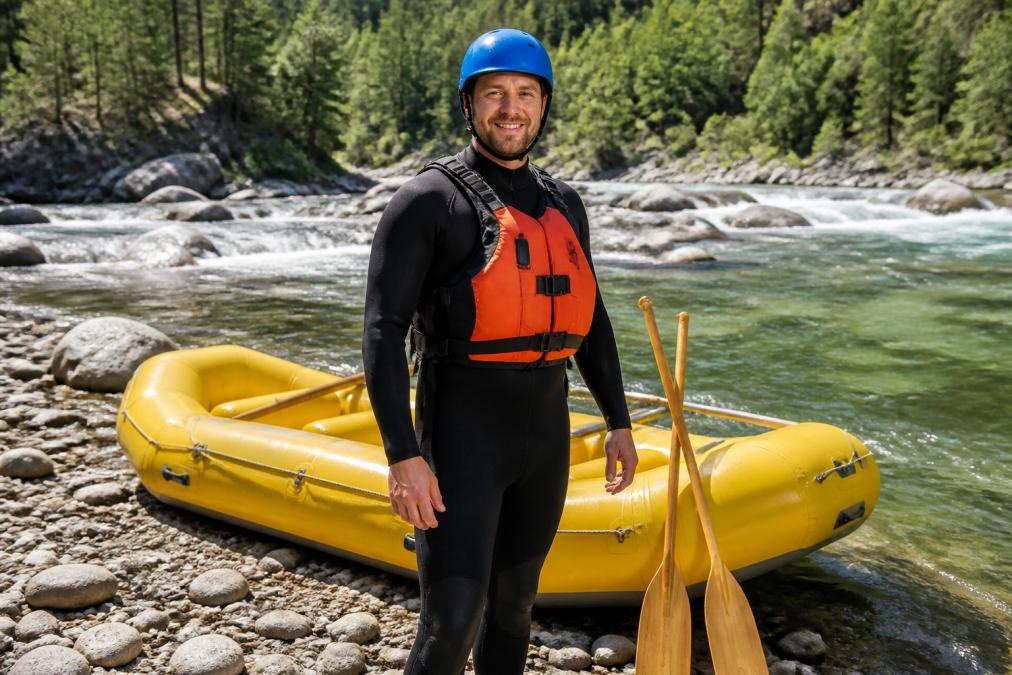
Spring (April-May): Full wetsuit or drysuit is non-negotiable. Water temperatures in snowmelt-fed rivers can be dangerously cold. A neoprene wetsuit (3mm minimum) provides thermal protection during a swim. Neoprene booties add foot and ankle warmth on wet rocks. Helmet, U.S. Coast Guard approved Type V PFD, and splash jacket round out the essential kit.
Early Summer (June): Wetsuit still strongly recommended, especially on rivers where water temperatures haven’t yet climbed above 55°F.
Mid-Summer (July-August): Water temperatures in the 60s°F make a wetsuit optional for many paddlers, though a splash jacket remains useful for wave trains. Secure river sandals with heel straps or closed-toe water shoes with traction soles. Sun protection becomes critical.
Fall (September-October): Water temperatures drop again as air temperatures cool. A wetsuit returns to the recommended list by mid-October on most Sierra rivers. Layering becomes important for multi-day trips.
Across every season, a U.S. Coast Guard approved PFD is mandatory on guided commercial trips. On Sierra Mac trips, safety gear including flotation vests and waterproof dry bags is provided.
| Season | Water Temp | Wetsuit Needed | Key Gear |
|---|---|---|---|
| April-May | Below 50°F | Yes, full wetsuit or drysuit | Neoprene booties, helmet, Type V PFD |
| June | 50-58°F | Recommended | Wetsuit, splash jacket, helmet |
| July-August | 60-70°F | Optional | Splash jacket, river sandals, sun protection |
| September-October | 55-65°F | Recommended by mid-October | Wetsuit, warm layers, helmet |
Climate Trends, Crowd Windows, and Booking Timing
The most significant shift in planning white water rafting trips over the past decade is the growing unpredictability of snowpack. Low-snowpack years compress the high-water season, pushing peak flows earlier and dropping rivers to low levels by late June rather than mid-July. High-snowpack years extend the season, sometimes keeping rivers at excellent levels through August.
The practical implication for booking: flexibility is an asset. Locking in a specific date six months out without checking the snowpack forecast is increasingly risky on natural flow rivers. The best outfitters monitor watershed conditions in real time and communicate proactively with guests when conditions shift.
The global whitewater rafting market is projected to reach $3.5 billion by 2032 according to Future Data Stats’ market forecast, meaning that peak-season permits and guided trip slots fill faster than they did even five years ago. For July and August trips near Yosemite, booking 3-6 months in advance is now the realistic minimum for preferred dates.
The shoulder seasons offer a genuine alternative. September and October see significantly less competition for permits, more flexibility in scheduling, and often more attentive guide-to-guest ratios.
Book spring and summer trips at least 3-4 months in advance, especially for multi-day expeditions near high-traffic areas like Yosemite. Fall trips have more flexibility, but the best dates still fill quickly with repeat guests who know what they’re doing.
Low-snowpack years are not automatically bad years for rafting. Lower flows make rivers accessible to more people, particularly families with younger children. The river experience changes character, more intimate and technical, but it doesn’t disappear.
Sierra Mac has operated through high-water years and drought years alike since 1965. Our guides can tell you exactly what to expect on any given date and adjust the trip accordingly.
Choosing the right month for white water rafting comes down to matching river conditions to your skill level, gear readiness, and what kind of experience you’re after. Spring delivers power; summer delivers accessibility; fall delivers solitude and technical challenge. Sierra Mac’s guides have tracked Sierra Nevada river conditions across six decades, guiding trips on the Tuolumne, Merced, and Cherry Creek rivers through every kind of season. Whether you’re planning a family’s first whitewater adventure or a multi-day Class V expedition, our team can match you to the right river at the right time. Book now and let us handle the rest.
Frequently Asked Questions
What is the best month for white water rafting in the Sierra Nevada?
May through July is generally the prime window for white water rafting in the Sierra Nevada. May and June bring the strongest flows from snowmelt, producing high-volume rapids on rivers like the Tuolumne and Merced. July offers slightly lower water levels that are still exciting but more accessible to families and first-timers. The exact peak shifts each year depending on winter snowpack, so checking current river gauge readings before booking is always worthwhile.
How does snowmelt affect rafting season timing?
Snowmelt is the primary driver of river levels on natural flow rivers in the West. As mountain snowpack warms in spring, runoff raises CFS (cubic feet per second) readings on rivers like the Tuolumne, creating the high-water conditions that define peak whitewater season. A heavy snowpack year pushes strong flows into July; a low snowpack year, like 2026, can shift the peak earlier and reduce overall water volume. Monitoring the season's snowpack totals helps you pick the right month for the experience you want.
Is early or late summer better for family rafting trips?
Late summer, July into early August, is generally better for families with younger or less experienced paddlers. By then, water temperatures are warmer, river levels have dropped from their spring peak, and Class III-IV rapids become more manageable. Early summer brings bigger, faster water that suits experienced groups more than first-timers. Families with children aged 12 and up who are strong swimmers can often handle guided trips in late June, but guides will assess conditions on the day.
What is the fatality rate for white water rafting on commercial trips?
Commercially guided white water rafting has a fatality rate of 0.45 per 100,000 user days, according to an American Whitewater analysis covering 7.4 million user days across 30 U.S. rivers. That rate is lower than recreational swimming (2.6), bicycling (1.6), and rock climbing (3.2). Wearing a properly fitted PFD at all times is the single most effective safety measure, American Whitewater's 20-year accident data shows that not wearing a PFD accounts for roughly 15% of all whitewater fatalities.
This article was written using GrandRanker