
Rafting Near Yosemite: Your Complete 2026 Guide
Table of Contents
- Rafting Near Yosemite: Two Rivers, Two Very Different Experiences
- Merced River Rafting: Scenic Floats and Family-Friendly Fun
- Tuolumne River Whitewater Rafting: Class IV Thrills Through the Canyon
- Best Time for Rafting Near Yosemite: Seasons and Water Levels
- What to Pack for a Rafting Trip: Gear That Actually Matters
- Guided Tours vs. Self-Guided: Why Expert Guidance Wins on Whitewater
- Rafting Near Yosemite Responsibly: Leave No Trace on the River
- Plan Your Post-Rafting Day: Making the Most of the Region
Last Updated: August 24, 2026
Rafting Near Yosemite: Two Rivers, Two Very Different Experiences
Rafting near Yosemite is one of the most rewarding outdoor experiences the Sierra Nevada offers. Sierra Mac has been guiding guests since 1965 through two distinct rivers: the Merced and the Tuolumne. They share the same watershed and run within miles of each other, yet deliver experiences so different that choosing between them is the first real decision any trip planner must make.
The Merced flows through the valley with a gentler temperament, suited to families and first-timers who want scenic beauty without punishing whitewater. The Tuolumne cuts through a deep granite canyon with Class IV rapids that demand attention, teamwork, and genuine commitment. These are not two versions of the same trip, they are two distinct adventures.
The river you choose should be driven by your group’s skill level and the time of year, not just what sounds exciting on paper. Below, we break down both rivers in detail, explain when to go, what to bring, and why guided expertise makes the difference between a great trip and a dangerous one.
| River | Difficulty | Best For | Trip Length |
|---|---|---|---|
| Merced River | Class I-III | Families, beginners | Half-day to full-day |
| Tuolumne River | Class III-IV | Intermediate to advanced | Full-day to multi-day |
| Cherry Creek | Class V | Expert paddlers | Full-day |
Merced River Rafting: Scenic Floats and Family-Friendly Fun
For families with teenagers or anyone new to whitewater, the Merced River is the right starting point. It offers a mix of calm floats and manageable Class II-III rapids through one of California’s most visually stunning river corridors, with granite walls rising on both sides and clear water that gives paddlers time to look around.
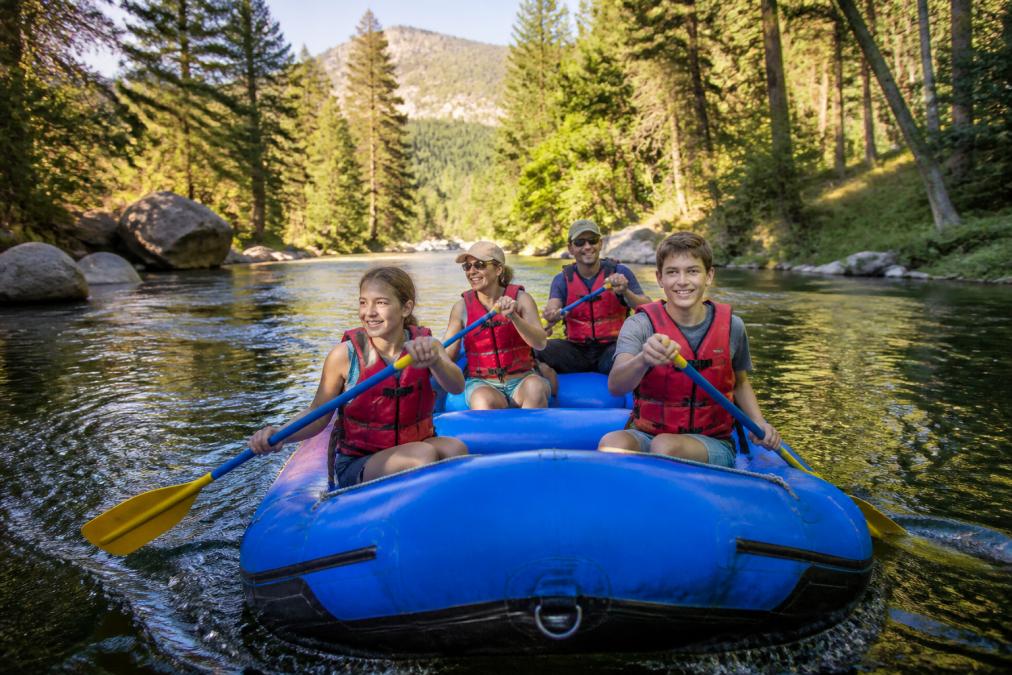
Even scenic floats require physical engagement. Paddling commands must be followed, basic river safety applies at every water level, and conditions can shift depending on season. The Merced’s lower canyon sections are genuinely accessible to beginners, including kids aged 12 and up who are comfortable in water.
This is a federally designated Wild and Scenic River, meaning the corridor remains largely undeveloped. You paddle through wilderness, not a theme park, with far fewer crowds than the packed valley floor upstream. Half-day and full-day trip formats make the Merced the more flexible option for families working around a broader Yosemite itinerary.
If your kids have never worn a PFD before, practice putting it on and adjusting it before reaching the put-in. A properly fitted life jacket is essential for safety.
Tuolumne River Whitewater Rafting: Class IV Thrills Through the Canyon
The Tuolumne River is a different category of experience entirely. It runs through a deep granite canyon with Class III-IV rapids that have built a serious reputation among adventure sports enthusiasts. The river drops steadily through the canyon, generating sustained whitewater that requires active paddling, sharp attention to paddle commands, and respect for moving water.
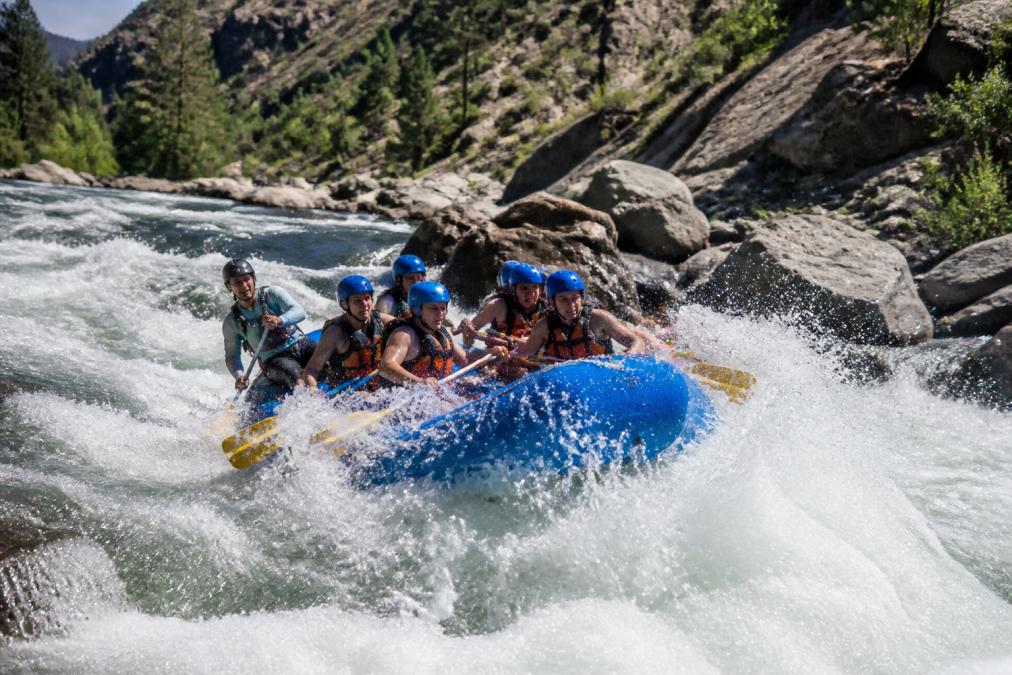
According to American Whitewater’s river classification guide, Class IV rapids are characterized by powerful, predictable water requiring precise maneuvering in turbulent conditions. On the Tuolumne, that plays out in rapids like Clavey Falls, one of the most challenging commercially rafted drops in California.
Full-day trips cover the main canyon section through a wilderness area that sees far fewer visitors than the national park itself. Multi-day expeditions are also available, letting groups camp along the river corridor and experience the canyon at a pace that allows for swimming holes, side hikes, and genuine disconnection.
The Tuolumne suits guests who are physically active and comfortable following instructions under pressure. If you have rafted before and want a real challenge, this is the river.
Do not attempt the Tuolumne’s main canyon section without a professional river guide. Scouting rapids, reading water levels, and executing rescue procedures in Class IV water requires training and experience that a rental or self-guided float cannot provide.
Cherry Creek: Class V for Serious Paddlers
Cherry Creek runs a series of Class V drops among the most technically demanding commercially guided whitewater in the United States. Sierra Mac pioneered commercial rafting on Cherry Creek and remains one of the few outfitters with the expertise and permits to guide it.
A full day on Cherry Creek involves continuous rapids, mandatory portages, and physical demand beyond anything on the main Tuolumne. Guests must have prior whitewater experience and be in solid physical condition. For the right group, it is the most intense river day available near Yosemite.
Best Time for Rafting Near Yosemite: Seasons and Water Levels
The best time for rafting near Yosemite is late spring through early summer, typically May through July, when snowmelt from the Sierra Nevada drives river flow to its highest and most consistent levels. Water is cold during this window, making a wetsuit standard equipment, but rapids are at their most dramatic and scenery most vivid.
Peak season varies year to year depending on snowpack. A heavy winter produces high water well into July; a low-snow year can push peak conditions earlier and reduce flow by June. Checking current water levels before booking is worthwhile.
Here is how the rafting season breaks down by month:
- April – May: Water levels rise rapidly with snowmelt. Some sections run high and fast, increasing rapid difficulty. Best for experienced paddlers seeking maximum flow.
- June – early July: Peak season for most trips. River flow is strong, conditions predictable, and guided excursion availability highest.
- Late July – August: Water levels drop as snowmelt slows. The Merced transitions to scenic float; the Tuolumne remains raftable at lower intensity.
- September: The rafting season winds down. Some guided tours may operate depending on flow, but options narrow considerably.
According to National Park Service river flow information for the Merced, water temperature in the Merced River remains quite cold even during summer months, making proper gear essential regardless of air temperature.
Book early for peak season. Guided trips in June fill up weeks in advance, and the best dates on the Tuolumne canyon go first. Waiting until you arrive almost always means settling for what remains.
What to Pack for a Rafting Trip: Gear That Actually Matters
Knowing what to pack separates a comfortable day on the water from a miserable one. A fully guided trip handles most heavy equipment; what you bring personally makes the difference in comfort and safety.
What your guide service provides:
- Raft and paddles
- Personal flotation device (PFD / life jacket)
- Wetsuit and splash jacket for cold-water sections
- Helmet for Class III+ water
- Dry bags for personal items
- Safety briefing and paddle instruction
What you bring yourself:
- Secure footwear: river sandals with heel straps or old sneakers that won’t come off in moving water.
- Waterproof sunscreen, applied before arrival.
- Sunglasses with a retainer strap.
- A change of dry clothes for after the trip, stored in your vehicle.
- Water and snacks for half-day trips; guide services cover meals on full-day and multi-day excursions.
- Any prescription medications in a waterproof container.
A common mistake is overdressing for air temperature instead of water temperature. On a 90-degree day in late June, the Tuolumne still runs cold snowmelt. Your wetsuit is not optional.
Guided Tours vs. Self-Guided: Why Expert Guidance Wins on Whitewater
The case for guided tours on serious whitewater is straightforward. A professional river guide reads water in real time, positions the raft to avoid hazards, delivers a safety briefing calibrated to actual conditions, and knows what to do when something goes wrong. A rental paddle and YouTube tutorial do not replicate that.
Self-guided rentals make sense on flat water and gentle Class I-II rivers where consequences are low. On Class III-IV water, the calculus changes completely. River safety on the Tuolumne requires situational judgment built through hundreds of days on that specific river.
Guided trips also handle shuttle service between put-in and take-out points, ensure equipment is fitted properly, and provide guides who know where the swim holes are and how to keep the day enjoyable.
What a Full-Service Guided Trip Covers
A full-service guided trip includes the safety briefing, all river rafting equipment, shuttle service, and experienced local guides with years on these specific rivers. Multi-day trips add riverside camping, meals, and immersive overnight expeditions that no half-day float can match.
By day two of a multi-day trip, paddle commands feel natural, the group moves together, and the river stops feeling like an obstacle. That shift is worth the investment. For current trip pricing and availability, visit Sierra Mac’s website, as rates vary by trip type and season.
Rafting Near Yosemite Responsibly: Leave No Trace on the River
Both the Merced and Tuolumne run through federally protected wilderness and Wild and Scenic River corridors. The Leave No Trace Center for Outdoor Ethics principles apply on the water as on the trail: pack out everything you bring in, avoid disturbing wildlife, and stay on established river access points.
In practice, this means:
- Use designated river access points only. Unmarked scrambles damage riparian vegetation that stabilizes shorelines.
- Carry out all waste, including food scraps, which affect water quality downstream.
- Respect wildlife corridors. River otters, herons, and osprey nest along both rivers.
- Minimize campfire impact on multi-day trips. Use established fire rings only, and follow current fire restrictions.
Guided outfitters operating on these rivers must follow strict minimum-impact protocols as a condition of their operating permits. Choosing a permitted, experienced guide service is itself environmental stewardship.
Plan Your Post-Rafting Day: Making the Most of the Region
The rafting is the centerpiece, but the region offers enough to fill a full week. Sierra Mac sits just 15 miles from Yosemite’s northwest entrance, making it easy to combine a river trip with a broader park visit.
A few post-rafting options worth building into the itinerary:
- Tuolumne Meadows: A high-elevation meadow at roughly 8,600 feet offering easy walks and wildflower viewing in early summer.
- Hetch Hetchy Reservoir: Located within Yosemite’s northwest section, it offers a quieter alternative to the valley with comparable granite walls and waterfalls.
- Big Oak Flat Road corridor: The drive itself is scenic, with several trailheads leading to less-trafficked backcountry areas.
- Groveland and surrounding communities: Local restaurants, gear shops, and lodging that avoid the valley’s peak-season congestion.
Pairing a full-day river trip with one or two days in the park creates a complete adventure travel experience. The river gives physical intensity; the park gives scale and silence.
According to Yosemite National Park visitor information, advance reservations are required for day-use entry during peak season, so plan your park days alongside your river days when booking.
Choosing the right rafting experience near Yosemite means matching the river to your group, not picking the most dramatic option. Sierra Mac has guided guests on the Merced, Tuolumne, and Cherry Creek since 1965, with third-generation expertise and trips ranging from gentle family floats to Class V expeditions. Whether you need a half-day introduction or a multi-day wilderness adventure, the guides and logistics are handled. Book now at Sierra Mac and spend your time on the water instead of planning around it.
Frequently Asked Questions
Does Yosemite National Park offer river rafting inside the park?
Yosemite Valley does have a short, calm stretch of the Merced River available for floating during summer, but it is limited to a scenic, low-key experience with rental equipment from within the park. For true whitewater rafting near Yosemite, including Class III, IV, and V rapids, you need to head to outfitters operating just outside park boundaries on the Merced, Tuolumne, or Cherry Creek rivers, where the rapids, canyon scenery, and guided expertise are far more substantial.
What is the best time of year for rafting near Yosemite?
Late spring through early summer, roughly April through July, is peak season for rafting near Yosemite. Snowmelt from the Sierra Nevada drives river flow to its highest levels during this window, producing the most exciting whitewater on the Tuolumne and Merced rivers. Water levels and rapid difficulty drop as summer progresses. The Merced often remains floatable into August, while the Tuolumne's best whitewater window is tighter. Always check current water levels before booking, as conditions vary year to year.
What is the difference between rafting the Merced and Tuolumne rivers?
The Merced River offers a more accessible experience, with gentler rapids suited to families and first-timers on half-day or full-day float trips through scenic canyon stretches. The Tuolumne River is a serious whitewater run featuring Class IV rapids through a remote wilderness corridor, better suited to paddlers comfortable with fast water and technical moves. Both rivers run near Yosemite National Park, but they deliver very different experiences in terms of rapid difficulty, physical demand, and overall adventure level.
Do I need prior experience for whitewater rafting near Yosemite?
No prior experience is required for beginner and intermediate trips on the Merced River. A professional river guide handles navigation, teaches paddle commands before launch, and conducts a full safety briefing covering PFD use, swimming technique, and what to do if you exit the raft. For Class IV Tuolumne trips or Class V Cherry Creek expeditions, prior whitewater experience is strongly recommended. A reputable guided excursion will match you to the right river section based on your group's fitness level and experience.
This article was written using GrandRanker