Expert Guided Whitewater Rafting Yosemite 2026
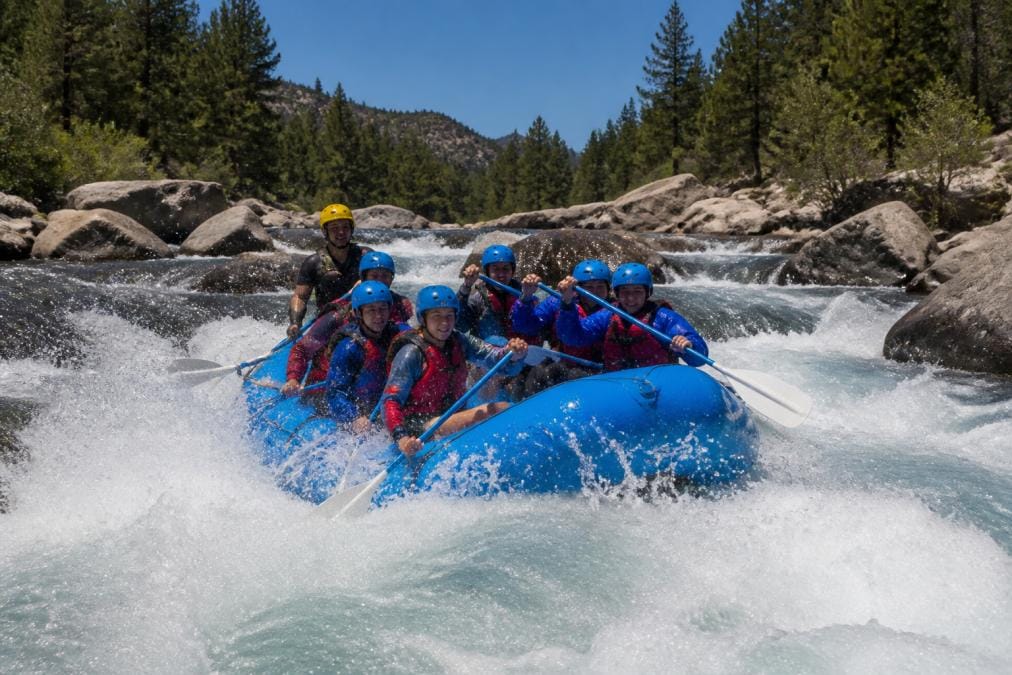
Table of Contents
- Why Expert Guided Whitewater Rafting in Yosemite Looks Different in 2026
- Merced vs. Tuolumne: Choosing Your River for Guided Whitewater Rafting Near Yosemite
- The Best Month for Whitewater Rafting: Reading Snowmelt, Runoff, and River Flow
- Multi-Day Rafting Expeditions: What Overnight Camping on the River Actually Involves
- Class II to Class V: Matching Rapid Difficulty to Your Group’s Experience
- What to Pack, What to Wear, and How Safety Briefings Work on a Guided Expedition
- Booking Your 2026 Trip: Permits, Shuttle Service, and Logistics
- Frequently Asked Questions
Last Updated: September 14, 2026
Why Expert Guided Whitewater Rafting in Yosemite Looks Different in 2026
Expert guided whitewater rafting Yosemite 2026 is defined by steady reservoir-fed flows and an extended operating season, according to American Outdoors Rafting’s 2026 season update. That combination gives families and thrill-seekers a wider booking window than usual. This guide from Sierra Mac covers river selection, timing, difficulty, and logistics. Sierra Mac has run guided trips on the Merced and Tuolumne since 1965, so we know how much the planning around a trip has changed.
The short answer: book earlier, expect a longer season, and match your group to the right river before picking a date.
- Merced River: beginner-friendly Class II-III floats, ideal for first-timers
- Tuolumne River: Class IV-V whitewater through canyon wilderness for experienced paddlers
- Cherry Creek: the most demanding option, guided only by specialized outfitters
- Trip lengths: half-day floats to 3-day expeditions
- Best window: late spring through summer, with fall for technical low-flow runs
What most guides miss is that 2026 is a logistics year, not just a water year. Permits, shuttle timing, and entry reservations now shape a trip as much as snowmelt does.
Merced vs. Tuolumne: Choosing Your River for Guided Whitewater Rafting Near Yosemite
The Merced suits first-timers and families; the Tuolumne suits paddlers chasing serious whitewater. The choice comes down to your group’s experience and appetite, not the calendar.
Merced River: Beginner-Friendly Rapids and Scenic Floats
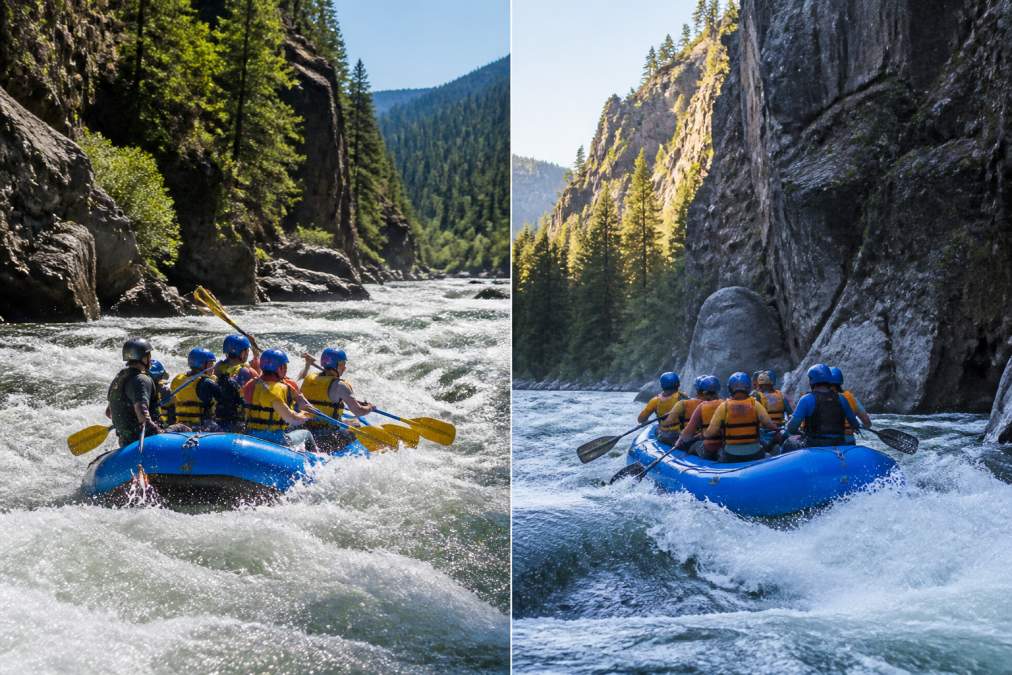
The Merced delivers a mix of calm stretches and punchy Class II-III rapids. Guided trips commonly run a 3-mile float for 2 to 4 people, according to Travel Yosemite’s river trip overview. Expect a full safety briefing, paddle commands from your guide, and plenty of flatwater between rapids to look up at the canyon.
Ask your guide to seat younger paddlers in the middle of the raft. They get a smoother ride through wave trains and stay clear of the oar strokes at the stern.
Tuolumne River: Class IV-V Whitewater and Canyon Wilderness
The Tuolumne is a different animal: multi-day trips run through roadless canyon country with sustained Class IV-V rapids.
Sierra Mac was the first outfitter to guide commercially on both the Merced and the Tuolumne, and pioneered Class V commercial rafting on Cherry Creek, history that matters when choosing who takes your family down a canyon with limited exit points.
The Best Month for Whitewater Rafting: Reading Snowmelt, Runoff, and River Flow
The best month for whitewater rafting near Yosemite is June for maximum water volume and fall for technical precision at lower flows, according to Sierra Mac’s seasonal flow guidance. Peak runoff from Sierra snowmelt typically pushes flows highest in late spring and early summer, then tapers through August and September.
Bigger water is not automatically better. High-volume runoff delivers fast, pushy rapids that demand strong swimming ability, while low-flow periods expose more rocks and demand precise paddle commands, which many intermediate paddlers find more technical and more fun.
River flow is the volume of water moving past a point at a given time, measured in cubic feet per second. That number, not the calendar, tells you what the rapids will actually feel like.
| Season Window | Typical Flow Character | Best For |
|---|---|---|
| Late spring | High volume, fast runoff | Strong swimmers, thrill-seekers |
| Early summer | Peak snowmelt flows | Maximum whitewater intensity |
| Midsummer | Steady, moderate flows | Families, first-timers |
| Fall | Low, technical flows | Experienced paddlers |
A river that ran big in June can drop to a rocky, technical channel by August. Booking a date without checking current flow levels is the most common planning mistake we see.
Multi-Day Rafting Expeditions: What Overnight Camping on the River Actually Involves
Multi-day rafting expeditions combine full days of paddling with riverside camping in roadless canyon sections. Regional outfitters offer trip durations from 1/2-day to 3-day options, according to Zephyr Whitewater Rafting’s trip offerings. But the difference between a half-day float and a three-day expedition is not just hours on the water, it is a completely different set of physical and logistical demands that most trip listings do not spell out.
The Rhythm of an Overnight Trip
A typical multi-day day: breakfast at camp, gear packed into dry bags and loaded onto the raft, a morning on the water with a lunch stop, an afternoon through the day’s biggest rapids, then early camp set-up before dinner at the river’s edge. Evenings are quiet, no roads or cell service in most canyon sections, and mornings start early to cover miles before afternoon winds pick up.
What You Actually Carry and How
On overnight trips your group carries gear in dry bags strapped into the raft and sealed through rapids. Pack:
- One small day bag for water, sunscreen, and a layer you can reach without opening the main load.
- One larger dry bag for sleeping bag, clothes, and toiletries.
- Camp gear, tent, sleeping pad, and cooking equipment, which the outfitter typically provides and hauls.
You will not carry your own raft or haul gear overland. The physical load is paddling, not portaging.
Physical Fitness and Accessibility: What the Listings Don’t Say
Multi-day trips on Class IV-V water assume you can:
- Paddle actively for 30-60 minute stretches through sustained rapids, not just hold a paddle.
- Swim in moving water if you come out of the raft, and self-rescue to a throw line.
- Walk on uneven ground at camp, sandbars, rock benches, and brushy banks, often in the dark.
- Carry your own dry bag a short distance from raft to camp.
Experienced guides note the limiting factor on a multi-day trip is not upper-body strength but comfort in moving water and footing on uneven ground. If someone in your group has mobility limitations, a half-day or single-day Merced trip with a fixed put-in and take-out fits far better than an overnight canyon expedition. Ask the outfitter directly about accessibility at your specific put-in and camp sites, they vary widely.
Match the trip to the least experienced paddler in your group, not the most. A three-day Class IV expedition is the wrong place to discover that someone cannot swim in current.
What You’re Paying For
What you’re paying for on a multi-day trip: the guide’s local knowledge of every rapid and camp site, shuttle logistics, the permit, food, and safety equipment. Sierra Mac runs these trips with professional local guides who have worked the same canyons for years. If budget is the constraint, a half-day or single-day Merced trip delivers a real river experience at a lower commitment.
Class II to Class V: Matching Rapid Difficulty to Your Group’s Experience
Rapid classification runs from Class I (flat, moving water) to Class VI (effectively unrunnable); guided commercial trips near Yosemite typically span Class II through Class V. Matching your group to the right class is the most important booking decision you’ll make.
- Class II: easy rapids with wide, clear channels. No prior experience needed.
- Class III: moderate waves and maneuvering required. Most guided family trips sit here.
- Class IV: intense, powerful rapids demanding precise boat control. Prior paddling helps.
- Class V: long, violent rapids with serious consequences. Expert guidance is mandatory.
The standard minimum age and weight for intermediate river trips is 12 years old and 90 pounds, according to American Outdoors Rafting’s participation requirements. That threshold exists for a reason: younger or lighter paddlers can be harder to keep secure in big wave trains.
Class rating describes the rapids, not your group. A confident 14-year-old on a Class III family trip is a better fit than a nervous adult on a Class IV run.
What to Pack, What to Wear, and How Safety Briefings Work on a Guided Expedition
Every guided trip starts with a safety briefing covering paddle commands, swim positions, and what to do if you fall out. Wear a properly fitted life jacket and helmet at all times on the water; most outfitters provide both, plus paddles and, on colder flow days, wetsuits.
Bring:
- Quick-drying synthetic layers, not cotton
- Secure footwear that stays on your feet in moving water
- Sunscreen, a hat, and a strap for glasses
- A dry bag for phone, keys, and medication
Leave behind:
- Loose jewelry and anything you can’t afford to lose in the river
- Cotton clothing, which holds water and drops body temperature
Paddle commands matter more than most first-timers expect. “Forward two” and “back one” are precise instructions, and a raft responds best when everyone executes together.
Booking Your 2026 Trip: Permits, Shuttle Service, and Logistics
Booking a 2026 trip means locking in four things, in order: your river, your date, your transportation, and your park entry plan. Most outfitters handle the first three; the fourth is on you, and it is where 2026 trips go sideways.
The 2026 Entry Reservation Layer
Peak-season park visits have required a vehicle reservation during set hours in recent years, with windows adjusted year to year. Your rafting reservation is not a park entry reservation, and an outfitter’s permit does not automatically exempt your personal vehicle. Before booking, check the current reservation window on the park’s official site, confirm whether your put-in or meeting point sits inside or outside the boundary, and note the entry-hour cutoff. Many Merced-area meeting points sit outside the boundary, so you may never need a reservation, but verify that for your specific launch point.
Do not buy a nonrefundable rafting slot for a peak-season weekend before you have confirmed whether your travel date falls inside a vehicle reservation window. Reservation rules have changed between seasons, and a sold-out entry window can strand a paid rafting booking.
Permits: Who Holds Them and Why It Matters
Commercial river permits are held by the outfitter, not the guest, the biggest advantage of going guided: the operator carries the permit, insurance, and approved launch window. Confirm when booking:
- Which river and reach the permit covers, a Merced permit does not transfer to a Tuolumne launch.
- Group size caps tied to the permit, which is why large parties sometimes get split across rafts or departures.
- Launch windows, since permitted trips leave at assigned times and cannot wait for late arrivals.
Shuttle Service and Meeting-Point Timing
Most guided outfitters run shuttle service between the meeting point and the put-in, so you park once and never move a vehicle. Confirm:
- Where the shuttle departs and whether that lot fills on summer weekends.
- What time to arrive, shuttle departures are fixed, and a missed shuttle usually means a missed trip.
- Whether the shuttle is included in the headline rate or billed as an add-on.
Ask whether your trip price includes the shuttle, meals, and gear, or whether those are add-ons. Comparing trips on the headline rate alone hides real cost differences.
A Booking Sequence That Works
- Pick your river based on group experience.
- Pick a date range, not a single date, this gives you flexibility if one departure is full.
- Confirm the outfitter’s permit, meeting point, and shuttle details in writing.
- Check the park’s current entry reservation rules for your travel dates.
- Book the rafting slot, then lock lodging and any entry reservation.
Sierra Mac’s base sits 15 miles from the park’s northwest entrance, keeping drive time short on trip morning. Book early for peak-season weekends; the extended 2026 season helps, but prime summer dates still fill first.
Frequently Asked Questions
What is the best time of year for whitewater rafting near Yosemite?
The 2026 season is projected to run long, with steady flows from solid reservoir levels. Spring and early summer bring the highest water volume from snowmelt runoff, which suits paddlers chasing bigger rapids. Late summer and fall deliver lower, more technical water that experienced rafters often prefer for precision. Because conditions shift with water levels, check current river flow before booking and confirm what your outfitter expects for your dates.
Are expert-guided rafting trips suitable for beginners?
Yes, provided you pick the right river. The Merced offers beginner-friendly Class II-III sections, and a 3-mile scenic float trip can carry 2 to 4 people, which works well for families. Standard age and weight requirements for intermediate trips start at 12 years old and 90 pounds. Beginners should avoid Class IV-V canyons until they have paddling experience. A safety briefing, paddle commands, and a properly fitted life jacket make first trips manageable for most guests.
How far in advance should I book my 2026 rafting expedition?
Book multi-day rafting expeditions as early as possible, especially for peak summer weekends when permits and campsites fill first. Half-day and single-day trips have more flexibility, but popular Saturday departures still sell out weeks ahead. If your group needs a specific date, reserve before spring. Confirm whether your outfitter handles park entry logistics and shuttle service, since those details affect which dates remain available.
What should I pack for a multi-day whitewater rafting trip?
Pack quick-drying layers, a wetsuit or splash jacket if your outfitter does not supply one, secure footwear, sunscreen, and a dry bag for essentials. Most guided trips provide the helmet, life jacket, and raft, so check the gear list before you shop. Overnight expeditions add a sleeping bag and personal camping items, though many outfitters haul the heavy gear in waterproof containers. Leave valuables behind and bring a strap for glasses.
The hard part of a Yosemite rafting trip isn’t the rapids; it’s the logistics puzzle of permits, shuttles, river selection, and timing. Sierra Mac handles that puzzle for you, with family-owned experience dating to 1965, professional local guides, trips ranging from mild half-day floats to intense multi-day Class V expeditions, and a base just 15 miles from the park’s northwest entrance. Get started with Sierra Mac and book the river trip your group will still be talking about next summer.