
Is Tuolumne River Rafting Worth the Cost? [2026]
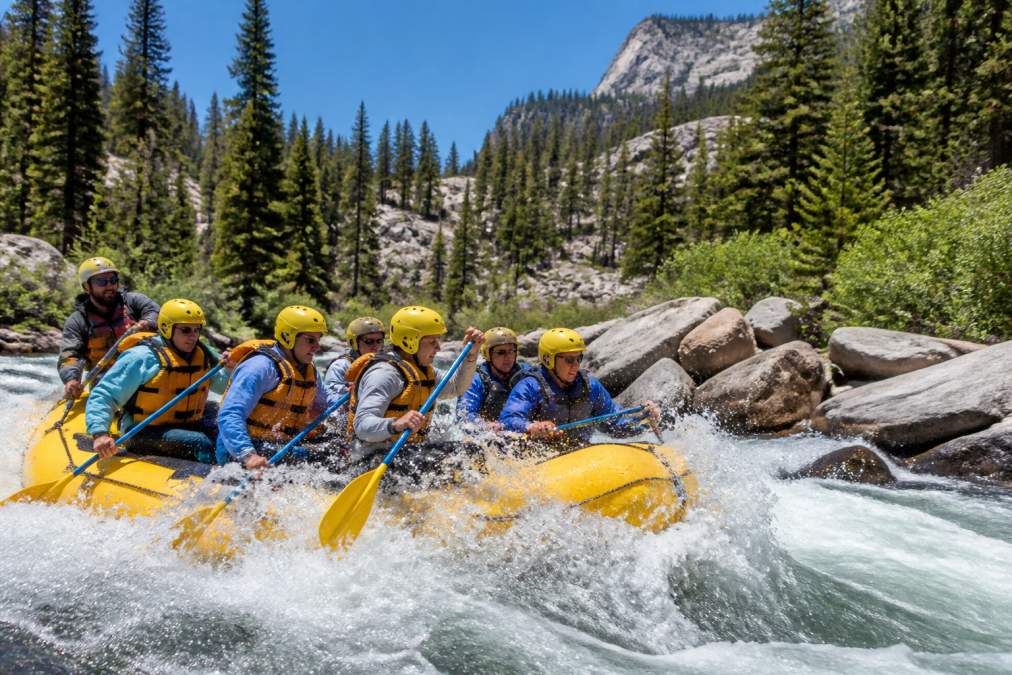
Table of Contents
- What You Are Paying For: Tuolumne River Rafting Cost Breakdown
- Tuolumne River Rafting Difficulty Levels and Who Can Join
- The Benefits of Multi Day Rafting Expeditions
- What to Expect on a Multi-Day Rafting Trip: A Day-by-Day Look
- Hidden Costs and Alternatives: Comparing Your Options
- Is It Worth It for Your Group Type? An Honest Verdict
- Conclusion: Booking Your Tuolumne River Rafting Trip
- Frequently Asked Questions
Last Updated: September 5, 2026
Commercial rafting trips on the Tuolumne River can be a significant investment. At Sierra Mac, we have guided these waters since 1965, and the honest answer is that the value depends entirely on what you are comparing it against.
The Tuolumne is a federally protected Wild and Scenic River carving through the granite of the Sierra Nevada, with rapids rated up to Class IV and beyond. The cost reflects that reality: you are paying for access to a remote wilderness corridor, professional safety infrastructure, and guides whose livelihoods depend on reading water flows correctly.
What You Are Paying For: Tuolumne River Rafting Cost Breakdown
Your per-person rate covers far more than a boat and a paddle.
The largest portion of your fee goes toward professional river guides. These are not seasonal hires with a weekend certification; they are career professionals trained in swift-water rescue, river navigation, and group management. According to industry pricing guidance from OARS, guests should also budget a gratuity of 10 to 15 percent of the trip cost for the guide and crew, which is a standard expectation across the industry.
Your fee also covers permits, insurance, safety equipment, and transportation logistics. Independent rafting on the Tuolumne requires thousands of dollars in personal gear and specific Forest Service permits, as documented by Sierra Nevada Ally’s analysis of self-guided rafting. When you book commercially, all of that overhead is absorbed into your ticket.

The commercial rate is not a markup on a DIY trip. It is a bundled package covering guide expertise, safety infrastructure, permits, and logistics that would cost thousands to replicate independently.
Tuolumne River Rafting Difficulty Levels and Who Can Join
Tuolumne River rafting difficulty levels range from mellow Class II floats to demanding Class IV and Class V whitewater, so the “worth it” calculation shifts based on your group’s experience and fitness.
The main Tuolumne section, running through the Grand Canyon of the Tuolumne, features continuous Class IV rapids with technical boulder gardens and powerful hydraulics. This is not beginner water. The minimum age for commercial trips is 14 years old, and operators may raise that to 16 during high-water periods when rapid intensity increases, according to Sierra Mac’s age and safety guidelines.
You do not need to be an athlete, but you should be comfortable swimming in moving water and capable of paddling hard for sustained stretches. A reasonable baseline: you can hike several miles with a daypack and feel fine the next morning.
A 14-year-old who is a decent swimmer and follows instructions can safely enjoy Class IV rapids. Younger children will need to wait a few years, which is a legitimate reason to defer the trip.
The Benefits of Multi Day Rafting Expeditions
A single-day trip delivers the adrenaline; a multi-day expedition delivers the complete wilderness experience.
Stretching the trip over several days unlocks access to the river’s best side hikes. Commercial operators highlight excursions to natural water slides on the Clavey River and the North Fork, features that are simply unreachable on a one-day itinerary, as noted by the Whitewater Guidebook’s Tuolumne coverage. These hikes break up the paddling and add a dimension of exploration that pure rafting lacks.
There is also the rhythm of river camping. Falling asleep to the sound of moving water, waking to canyon geology that has taken millennia to carve, and sharing meals prepared by your outfitter’s crew creates a different kind of value than a day trip.
The contrarian view is worth acknowledging: some past guests on TripAdvisor argue that multi-day side hikes and extra time do not justify the higher price versus a single-day trip. If your primary goal is maximum adrenaline per dollar, a one-day run may serve you better.
What to Expect on a Multi-Day Rafting Trip: A Day-by-Day Look
Here is how a typical expedition unfolds.
Day one begins with a mandatory safety briefing covering paddling technique, river navigation, and what to do if you exit the raft unexpectedly. You launch mid-morning and run the first series of Class III and Class IV rapids before pulling into camp, with four to five hours of cumulative paddling.
Day two starts early with a camp breakfast. The morning session targets the most intense whitewater of the trip; afternoon side hikes to the Clavey River water slides offer a chance to recover and explore.
Day three is a gentler float through canyon scenery, with swimming in calm pools and wildlife spotting, reaching the take-out by early afternoon.
Each day includes lunch, snacks, and all river camping gear. Your outfitter handles the logistics; you handle the paddling.
Hidden Costs and Alternatives: Comparing Your Options
To answer whether Tuolumne rafting is worth the cost, you need the true total.
The True Cost Breakdown
For a single-day trip, the real out-of-pocket number looks like this:
| Cost Item | Single-Day (per person) | Multi-Day 3-Day (per person) |
|---|---|---|
| Base trip rate | See Sierra Mac website for current pricing | See Sierra Mac website for current pricing |
| Guide gratuity (10-15%) | Varies by trip cost | Varies by trip cost |
| Wetsuit rental (if not included) | Varies by outfitter | Included on most trips |
| River sandals (purchase) | Varies by brand | Varies by brand |
| Transportation to put-in (gas from Bay Area or Fresno) | Varies by distance | Varies by distance |
| National Forest parking or day-use fee | Varies by location | Varies by location |
| Total realistic cost | See Sierra Mac website for current pricing | See Sierra Mac website for current pricing |
This gap between advertised price and true cost is where most budget comparisons go wrong.
Value Per Hour: The Metric Nobody Publishes
A single-day trip involves roughly 4 to 5 hours of actual river time. The per-hour cost will vary depending on the trip’s base rate and additional expenses.
Compare that to other premium adventure experiences in the same region:
- Yosemite Valley guided rock climbing (half-day): $200-$300 per person for 4-5 hours, roughly $50-$75 per hour.
- Yosemite high country backpacking permit (self-guided): $5-$10 per person per night for a wilderness permit, plus your own gear. The hourly cost is negligible, but you supply all logistics and expertise.
- Merced River scenic float (half-day commercial): $100-$150 per person for 2-3 hours, roughly $40-$60 per hour.
By this metric, the Tuolumne is a premium per-hour adventure in the Yosemite orbit. That’s not inherently disqualifying, the Class IV whitewater and remote canyon access have no local equivalent, but the value case must rest on intensity and uniqueness.
When the Math Flips: Multi-Day Expeditions
A 3-day expedition delivers roughly 10-12 hours of paddling plus side hikes, camping, and all meals. The per-hour cost will vary depending on the trip’s base rate and additional expenses.
If you’re comparing strictly on cost per hour of adventure, the multi-day trip wins. If you’re comparing against other single-day activities in the region, the Tuolumne is a premium product with a premium price, and the honest answer is that you’re paying for intensity, not efficiency.
Alternatives Worth Your Budget
Before committing, consider what else a similar budget could buy in the same vacation window:
- Two days of guided rock climbing in Yosemite Valley with a certified guide service
- A self-guided backpacking permit in the Yosemite high country plus a night at the Ahwahnee Hotel
- A half-day Tuolumne trip plus a full day at Yosemite Valley with lodging near the park entrance
None of these replace the Tuolumne experience. But for travelers whose primary goal is seeing Yosemite rather than running Class IV rapids, the river trip may not be the optimal allocation of a fixed vacation budget.
The Independent Rafting Reality Check
Independent rafting requires a Forest Service permit issued through a lottery system, plus a raft ($1,500-$3,000), paddles, dry suits or wetsuits, rescue gear, and, most critically, the documented ability to navigate Class IV boulder gardens. The Tuolumne has a fatality history that includes experienced paddlers. For most visitors, the commercial rate is the difference between a guided wilderness experience and a genuinely dangerous undertaking.
The per-hour cost analysis cuts against the Tuolumne if you compare it to gentler activities. But no alternative in the region delivers continuous Class IV whitewater through a federally protected Wild and Scenic canyon. The question isn’t whether it’s the cheapest adventure, it’s whether the specific experience justifies the premium for your group.
Is It Worth It for Your Group Type? An Honest Verdict
The Tuolumne’s value depends on which of four traveler profiles you match.
Profile 1: Thrill-Seeking Adults (Ages 25-45)
Verdict: Worth it, especially multi-day.
If your vacation goal is adrenaline density, the Tuolumne delivers. A multi-day expedition offers a full wilderness experience.
The catch: you need to be physically prepared. If you can’t paddle hard for 20-30 minute stretches, you’ll spend more time bracing than contributing. Most guides recommend being able to complete a 3-mile hike with a daypack without stopping.
Profile 2: Families with Teens (Ages 14-17)
Verdict: Worth it only if your teen is genuinely excited, not just agreeable.
A 14-year-old who wants to be there will have a formative adventure story. A 14-year-old who was talked into it will find Class IV rapids intimidating, and the cost per hour of a reluctant participant is poor value.
The practical test: ask your teen to watch a GoPro video of Tuolumne Class IV rapids before booking. If they’re asking questions about the rapids, book it. If they’re asking about Wi-Fi at camp, defer the trip.
For families, the multi-day format is usually the better value, the per-day cost drops, meals are included, and side hikes give non-paddlers a break from the adrenaline.
Profile 3: Budget-Conscious Travelers
Verdict: Not worth it, choose a cheaper alternative.
If your vacation budget is fixed and the Tuolumne would consume a disproportionate share, skip it.
This isn’t a judgment on the Tuolumne’s quality, value is relative to budget constraints. If the trip would cause financial stress, the stress will follow you onto the river.
Profile 4: Scenery-Seeking Travelers (Non-Paddlers)
Verdict: Not worth it, you’re paying for whitewater you don’t want.
The Tuolumne’s Grand Canyon is spectacular, but you see it from a raft moving through Class IV rapids that demand your attention. If your primary goal is granite canyon scenery, the John Muir Trail or the Mist Trail delivers comparable vistas at a fraction of the cost.
The Decision Matrix
| Group Type | Single-Day Worth It? | Multi-Day Worth It? | Key Condition |
|---|---|---|---|
| Thrill-seeking adults | Yes | Yes | Physical fitness baseline met |
| Families with teens | Maybe | Yes | Teen genuinely wants Class IV |
| Budget-constrained | No | No | Choose Merced or Yosemite Valley hikes |
| Scenery-focused | No | No | Choose hiking trails instead |
The single most reliable predictor of whether you’ll feel the trip was worth it: your excitement level 24 hours before launch. If you’re nervous but eager, you’ll love it. If you’re dreading it, the cost won’t change that.
Conclusion: Booking Your Tuolumne River Rafting Trip
Deciding whether tuolumne river rafting is worth the cost comes down to matching the experience to your group’s expectations. The river delivers world-class whitewater, stunning canyon scenery, and a genuine wilderness escape, with a price reflecting professional guides, safety infrastructure, and access to a protected corridor.
For most adventure-seeking groups, the experience justifies the investment. Sierra Mac has been guiding these rivers since 1965, offering trips that range from mild half-day floats to intense multi-day Class V expeditions, all just 15 miles from Yosemite’s northwest entrance. Our professional local guides handle the logistics so you can focus on the paddling, the scenery, and the shared adventure.
Frequently Asked Questions
Can beginners handle Tuolumne River rafting?
Yes, with the right outfitter. Most commercial trips on the main Tuolumne run Class III and IV rapids, which are thrilling but manageable for first-timers who follow the safety briefing. The minimum age is typically 14, though it may rise to 16 during high-water periods. Outfitters match boats to water levels and group ability. If you are active and comfortable in water, you can join a guided trip without prior whitewater experience.
What is included in the cost of a guided rafting expedition?
Guided trip costs include professional river guides, all rafting gear such as helmets and life jackets, safety equipment, and transportation from the meeting point to the put-in. Multi-day expeditions add river camping, meals prepared by the crew, and side hikes to attractions like the Clavey River water slides. Gratuity for guides is separate, typically 10 to 15 percent of the trip cost.
How does the cost of a multi-day rafting trip compare to other vacations?
Tuolumne River rafting trips vary in price depending on duration and outfitter. That is comparable to a premium all-inclusive resort stay, but the experience is entirely different: no crowds, no buffets, just a wilderness expedition. When you account for meals, camping, guides, and gear, the per-day cost is often lower than a ski trip or a guided national park tour.
Is it cheaper to raft the Tuolumne independently?
Independent rafting requires significant investment in gear and permits. You need thousands of dollars in rafts, paddles, dry suits, and safety equipment, plus a Forest Service permit and the expertise to navigate Class IV whitewater. For most visitors, a guided trip delivers better value because the cost includes professional safety, quality equipment, and logistics handled by experts.
Planning a trip takes research, and the choice of outfitter shapes your entire experience. Sierra Mac combines three generations of river expertise with access to diverse trips across the Tuolumne, Merced, and Cherry Creek rivers. Get started with Sierra Mac and book the expedition that matches your group’s appetite for adventure.