
Best Yosemite Rafting Trips for Families
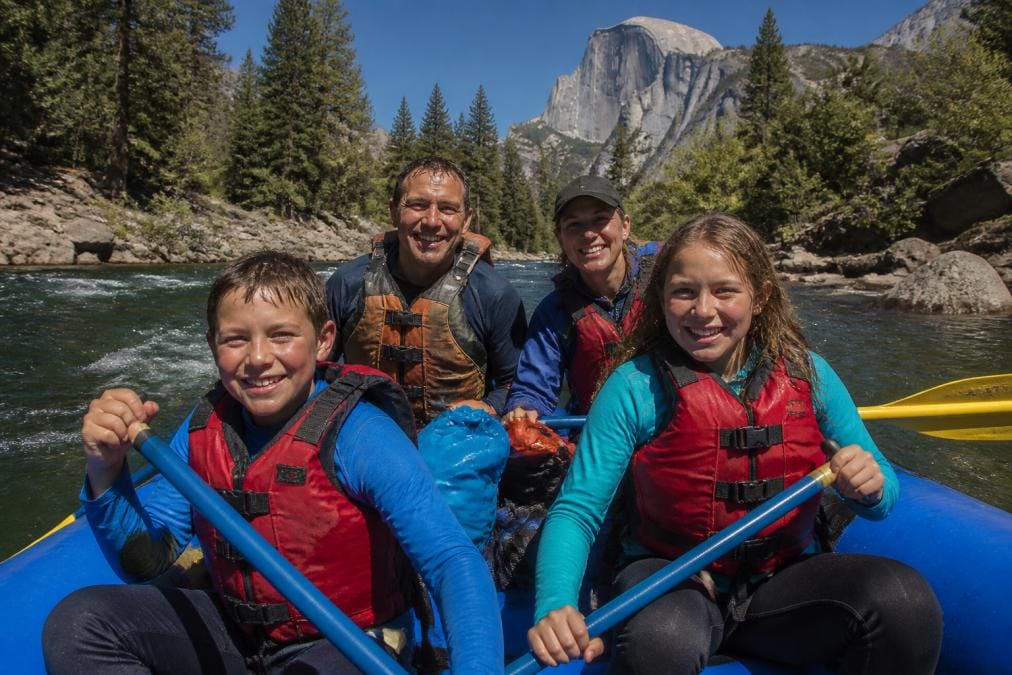
Table of Contents
- Why Yosemite Rafting Is Perfect for Family Bonding
- Merced River Rafting for Families: Scenic Floats and Gentle Rapids
- Tuolumne River Whitewater: Adventure Without Overwhelming Young Paddlers
- Rafting Trip Duration for Families: Half-Day vs. Multi-Day Expeditions
- Whitewater Rafting Safety Tips for Kids: What Parents Need to Know
- Best Time of Year for Family Rafting Trips
- Planning Your Family Rafting Adventure: Logistics and What to Bring
- Frequently Asked Questions
Last Updated: September 3, 2026
Why Yosemite Rafting Is Perfect for Family Bonding
Whitewater rafting near Yosemite offers families something increasingly rare: a screen-free adventure that demands genuine connection. When navigating a river together, there’s no room for distraction. Parents and kids communicate, problem-solve, and celebrate wins as a unit.
According to the Outdoor Industry Association’s 2026 Participation Trends Report, approximately two-thirds of households with children participate in outdoor recreation activities, with nearly 30 million additional people joining outdoor pursuits since 2019. Children ages 6 to 12 reached 22.6 million participants in 2025, a 5% increase from the previous year.
At Sierra Mac, we’ve guided families down these rivers for over 60 years. The best trips aren’t the most extreme ones; they’re where every family member feels capable, safe, and genuinely connected. The key is matching the river, season, and trip length to your family’s actual skill level and comfort zone.
This guide covers the best yosemite rafting trips for families across both major rivers, explains what makes each distinct, and walks you through planning logistics.
Merced River Rafting for Families: Scenic Floats and Gentle Rapids
The Merced River flows through Yosemite Valley itself, meaning you paddle past iconic granite cliffs. Half-day floats feature Class II-III rapids, technical enough to feel like real whitewater, gentle enough for nervous first-timers. A typical half-day covers about 6 miles in 3-4 hours, including gear setup and a lunch break.
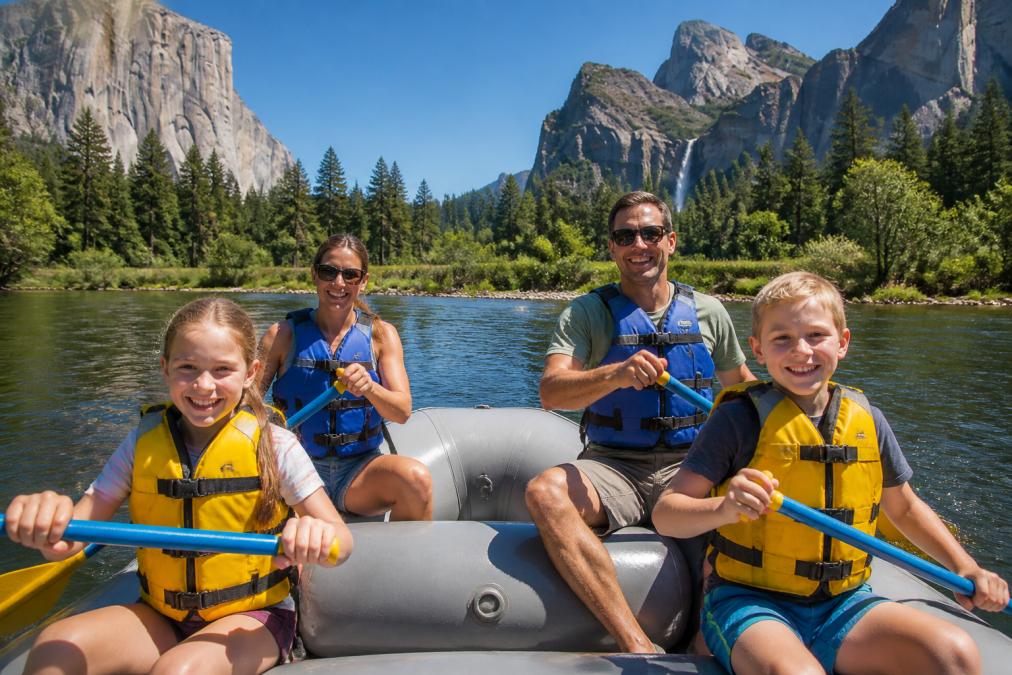
Much of the Merced experience is the float itself, drifting past waterfalls, towering rock formations, and groves where canyon walls create natural amphitheaters. Guides point out wildlife, geological features, and valley history. It’s education that doesn’t feel like education.
The Merced works best late spring through early fall, when water levels allow smooth navigation without dangerous rapids. Summer is peak season with more availability but crowded put-ins. Late May or September often deliver the best balance of manageable conditions and fewer tourists.
Sierra Mac pioneered guided trips on the Merced River and continues daily half-day floats throughout the season. Local guides know every eddy, hazard, and scenic overlook, institutional knowledge that matters when conditions shift unexpectedly.
Tuolumne River Whitewater: Adventure Without Overwhelming Young Paddlers
The Tuolumne River sits one step up in intensity from the Merced. It’s family-friendly for kids 12 and older but demands more active participation. Rapids are Class III-IV, requiring coordinated paddling from the entire crew.
A full-day Tuolumne trip covers about 18 miles in 6-7 hours on water, plus lunch and gear setup. The canyon is narrower and more dramatic than the Merced’s, with sheer rock walls and fewer developed areas visible. It feels more remote.
Kids who’ve done a Merced float feel ready for the Tuolumne’s bigger rapids. Parents often find themselves genuinely engaged; the intensity demands focus, which paradoxically reduces anxiety. Rapids have names, Clavey Falls, Hackamack, Wards Ferry, and guides walk through each approach.
Water conditions on the Tuolumne shift more dramatically than the Merced. Early summer (June-July) typically offers the best balance of high water and manageable flow. By late August, some sections become technical and less ideal for families. Check cubic feet per second (CFS) before committing.
Sierra Mac’s expertise in Class V rafting becomes relevant context here. The same guides who run the most technical expeditions also lead family trips, meaning your guide has navigated conditions far more challenging than what you’ll encounter.
Rafting Trip Duration for Families: Half-Day vs. Multi-Day Expeditions
Choosing between a half-day float and a multi-day expedition depends on what your family wants from the experience.
Half-day trips work best for families testing whether rafting is enjoyable or for younger kids (ages 8-11) building confidence. A half-day runs 3-4 hours on water, getting you back by mid-afternoon. The Merced River is the standard half-day choice.
Multi-day expeditions (2-5 days) are for families ready to fully commit. You’ll camp on sandy beaches, cook meals together, and spend entire days paddling. By day two, families stop thinking of rafting as an activity and start thinking of it as their temporary reality. That shift is where real bonding happens.
The trade-off is clear: multi-day trips cost more, require more time away, and demand higher fitness. Kids need to be comfortable sleeping in tents, eating camp food, and paddling 6-8 hours daily. Most outfitters recommend kids be at least 12 years old for multi-day trips.
Trip Type | Duration | Best For | Physical Demand | Cost Range |
|---|---|---|---|---|
Half-day | 3-4 hours | First-timers, limited time | Low to moderate | Pricing varies by trip, date, and availability |
Full-day | 6-7 hours | Intermediate families | Moderate | Pricing varies by trip, date, and availability |
2-3 day | 2-3 days | Committed adventurers | Moderate to high | Pricing varies by trip, date, and availability |
4-5 day | 4-5 days | Experienced families | High | Pricing varies by trip, date, and availability |
Sierra Mac offers diverse river trips from mild to intense. A half-day Merced float builds confidence. A multi-day Tuolumne expedition builds memories lasting decades.
Whitewater Rafting Safety Tips for Kids: What Parents Need to Know
Safety starts before you get in the boat, with honest conversations about what your kids can handle and what genuinely excites them.
The fatality rate for whitewater rafting is approximately 0.55 deaths per 100,000 user-days, according to the American Whitewater Association’s accident database, statistically safer than recreational cycling or rock climbing. Commercial guided rafting is even safer because guides manage water conditions, equipment, and group dynamics.
Before your trip, your guide will explain personal flotation devices (PFDs) and demonstrate proper fit. A PFD that doesn’t fit correctly restricts movement and creates false confidence. Guides also walk through basic paddle technique and what to do if someone falls overboard.
On the water, the guide reads conditions and makes real-time decisions about approaching each rapid. Your job is to paddle when instructed, brace yourself on the boat’s frame, and trust the process. Kids coached on this tend to stay calm even when water splashes over the bow.
Water temperature matters significantly. Early season (May-June) water temperatures hover in the 50s Fahrenheit, cold enough to cause shock if you go overboard. Wetsuits or splash jackets aren’t optional in early season; they’re essential. By August, water temperatures climb into the 60s.
Best Time of Year for Family Rafting Trips
Timing determines water conditions, crowd levels, weather, and whether your trip happens or gets rescheduled.
Spring (May-early June) brings high water from snowmelt. Class II rapids become Class III. Water temperatures are coldest, typically in the 50s Fahrenheit. Spring is exciting for experienced families but risky for first-timers.
Summer (mid-June through August) is peak season. Water levels are still high but more predictable. By July, water hovers in the 60s Fahrenheit. Weather is reliably warm and dry. The downside is crowds. Popular half-day floats on the Merced can feel like group tours during peak July and August.
In July 2026, Yosemite National Park recorded 654,356 recreation visits, a 6.1% increase from July 2025, according to Yosemite National Park Officials’ peak-season visitor data. Plan accordingly.
Fall (September-October) offers ideal conditions for families who can travel outside summer break. Water levels drop but remain navigable. Crowds thin dramatically. September and early October deliver the best balance of manageable conditions and solitude.
Planning Your Family Rafting Adventure: Logistics and What to Bring
Most outfitters provide all rafting gear: the boat, paddles, personal flotation devices, and helmets. For a half-day trip in summer, bring a towel, change of clothes, water, and snacks. Sunscreen and a hat are non-negotiable. Wear quick-dry clothes or a swimsuit under your shorts; cotton holds water and gets cold.
For full-day and multi-day trips, the outfitter provides a detailed packing list. Sleeping bags, tents, and cooking gear are typically provided on multi-day expeditions. You bring personal items: toiletries, medications, a headlamp, and extra clothing layers. Nights in the canyon can be cool even in summer.
Check-in typically happens 30-60 minutes before launch. The guide will review the day’s itinerary, explain safety protocols, and fit everyone with gear. A good guide makes families feel welcome and capable. If something feels off, speak up.
On the water, follow your guide’s instructions without hesitation. Paddling in unison matters. When the guide says paddle forward, everyone paddles forward. Kids who understand this tend to feel more in control.
After the trip, you’ll be wet, tired, and hungry. Plan to grab lunch on the way home. The post-trip period is when families often realize how much fun they had.
According to the Family Travel Association’s 2025 survey, 92% of parents plan to travel with their kids in the next year, with families spending an average of $8,052 annually on domestic travel. Adventure activities like rafting represent a growing share of that spending.
Planning a family rafting adventure near Yosemite doesn’t require extensive experience or elite fitness. It requires honest assessment of what your family enjoys and what conditions they’re ready for. Sierra Mac has guided families down these rivers for over 60 years. Whether you’re looking for a half-day scenic float on the Merced River or a multi-day expedition on the Tuolumne, the team’s deep local expertise and professional guides ensure your family gets a trip matching your goals. Book now and experience the connection that only happens when families paddle together.
=== FAQ ANSWERS (audit these too, same rules) ===
[1] Q: What is the minimum age for family rafting trips near Yosemite? A: Age requirements depend on river class and trip type. For the Merced River, the minimum age is typically 12-14 during high water, but can be as low as 7-8 later in the season during lower flows. The Tuolumne River, which offers more challenging Class III-IV rapids, has a minimum age of 9-14, potentially increasing to 16 during high water conditions. Always check with your outfitter about specific age policies, as they vary by trip difficulty and water conditions.
[2] Q: Are half-day rafting options available for families with kids? A: Yes, half-day trips are ideal for families introducing children to whitewater rafting. These typically last 3-4 hours on the water, making them less tiring for younger paddlers while still delivering genuine whitewater excitement. Half-day options on the Merced River offer scenic beauty and manageable rapids, perfect for testing whether your family enjoys river adventures before committing to longer expeditions.
[3] Q: How far in advance should I book family rafting trips near Yosemite? A: Book at least 2-4 weeks ahead during peak season (May through September) to secure your preferred dates and trip type. Summer weekends fill quickly, especially for family-friendly options. Off-season trips (April and October) may have more availability, though water levels and weather vary. Contact your outfitter directly for current availability and seasonal recommendations.
[4] Q: What should families pack for a whitewater rafting trip? A: Bring water shoes or sandals that stay secure (rafting outfitters often provide specifics), a change of clothes, sunscreen, and a towel. Most guided trips provide life jackets, paddles, and helmets. Pack snacks and water for hydration, and consider a waterproof bag for phones or valuables. For multi-day trips, bring camping gear as specified by your outfitter. Check the weather and water temperature before packing layers.
Frequently Asked Questions
What is the minimum age for family rafting trips near Yosemite?
Age requirements depend on river class and trip type. For the Merced River, the minimum age is typically 12-14 during high water, but can be as low as 9 later in the season during lower flows. The Tuolumne River, which offers more challenging Class III-IV rapids, has a minimum age of 14, potentially increasing to 16 during high water conditions. Always check with your outfitter about specific age policies, as they vary by trip difficulty and water conditions.
Are half-day rafting options available for families with kids?
Yes, half-day trips are ideal for families introducing children to whitewater rafting. These typically last 3-4 hours on the water, making them less tiring for younger paddlers while still delivering genuine whitewater excitement. Half-day options on the Merced River offer scenic beauty and manageable rapids, perfect for testing whether your family enjoys river adventures before committing to longer expeditions.
How far in advance should I book family rafting trips near Yosemite?
Book at least 2-4 weeks ahead during peak season (May through September) to secure your preferred dates and trip type. Summer weekends fill quickly, especially for family-friendly options. Off-season trips (April and October) may have more availability, though water levels and weather vary. Contact your outfitter directly for current availability and seasonal recommendations.
What should families pack for a whitewater rafting trip?
Bring water shoes or sandals that stay secure (rafting outfitters often provide specifics), a change of clothes, sunscreen, and a towel. Most guided trips provide life jackets, paddles, and helmets. Pack snacks and water for hydration, and consider a waterproof bag for phones or valuables. For multi-day trips, bring camping gear as specified by your outfitter. Check the weather and water temperature before packing layers.
This article was written using GrandRanker