
How to Prepare for a Guided Rafting Adventure
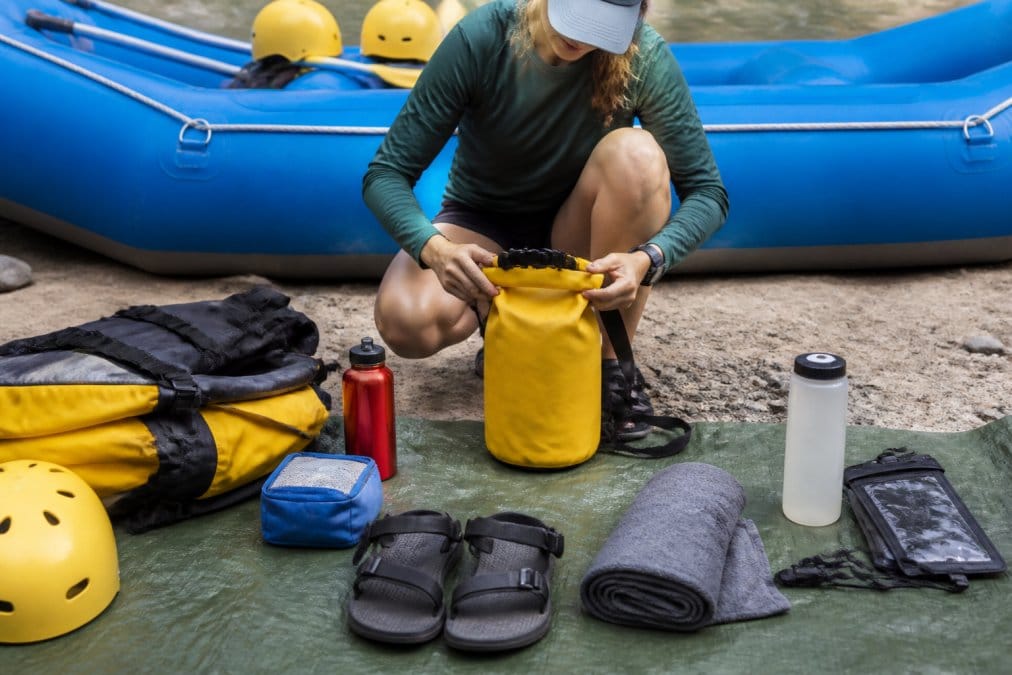
Table of Contents
- Assess Your Swimming Ability and Risk Tolerance
- Understand River Class and Difficulty Levels
- Meet Whitewater Rafting Fitness Requirements
- What to Wear Whitewater Rafting
- Build Your Rafting Trip Packing List
- Master Safety Gear and Emergency Protocols
- Prepare Mentally and Recover After Your Trip
- Frequently Asked Questions
Last Updated: September 20, 2026
Assess Your Swimming Ability and Risk Tolerance
Understanding how to prepare for a guided rafting adventure starts with assessing your swimming ability, which is foundational. You don’t need Olympic-level skills, but water comfort matters, Class III and higher rapids demand genuine confidence. Beyond physical readiness, managing your exposure to the elements requires selecting appropriate adventure apparel that balances sun protection with the mobility needed for navigating turbulent waters.
Assess honestly: can you tread water and float on your back? These skills matter more than speed. If you’ve never been in moving water, start with lower-class rapids.
Risk tolerance matters equally. Know whether you seek adrenaline or scenic floats, then match that to the river class. Misalignment ruins the experience.
According to Paddling Magazine’s safety analysis, whitewater rafting fatalities remain statistically rare, approximately six deaths per 2.5 million rafters. This isn’t about fearlessness; it’s about understanding that guided trips with professional outfitters prioritize safety through proper equipment, trained guides, and risk-appropriate river selection.
Before your trip, spend time in a pool or lake practicing basic water skills if you’re nervous. Floating on your back under controlled conditions builds confidence that transfers directly to the river.
Understand River Class and Difficulty Levels
River class determines everything about your experience. The classification system ranges from Class I (flat, moving water) to Class V (expert-only, extreme whitewater). Most recreational rafters operate on Class I through Class III, with experienced paddlers tackling Class IV. Class V is reserved for specialized expeditions with elite guides.
Class I has gentle movement and minimal obstacles. Class II introduces small rapids with clear passages. Class III demands active paddling, sharp turns, and quick reactions, where recreational rafting gets genuinely exciting.
Class IV rapids feature large waves, narrow channels, and significant hazards. You need solid fitness, good paddle technique, and mental toughness. Class V is beyond recreational scope, these are expedition-level descents requiring specialized training.
Difficulty combines water intensity, distance, weather, and group dynamics. A Class III rapid feels manageable with calm conditions and an experienced guide, terrifying in high water with an inexperienced group. Outfitter choice matters as much as river class.
Never underestimate river class. A Class III rapid can kill you if you panic or make critical mistakes. Conversely, a Class II river with a poor guide can create unnecessary stress. Respect the water and respect the guide’s expertise.
Meet Whitewater Rafting Fitness Requirements
You don’t need to be an athlete, but functional fitness helps. Core strength, cardiovascular endurance, and grip strength matter most.
According to BBX Rafting’s fitness guide, a recommended 6-8 week training plan for rafting includes 2-3 cardio sessions (walking, cycling, or swimming) and 2 strength sessions of 20-30 minutes each. This isn’t marathon training. It’s functional preparation targeting the specific demands of paddling.
Walking or cycling three times weekly for 30 minutes builds aerobic base. Swimming is ideal because it mimics river movements and breathing patterns.
Strength training targets core, shoulders, and grip through planks, rows, and farmer carries. Twenty to thirty minutes twice weekly is sufficient.
Avoid over-preparation. A person who can plank for two minutes and paddle consistently outperforms someone who ran a half-marathon but hasn’t trained since.
| Training Component | Frequency | Duration | Focus |
|---|---|---|---|
| Cardiovascular | 2-3 times weekly | 30 minutes | Walking, cycling, or swimming |
| Strength Training | 2 times weekly | 20-30 minutes | Core, shoulders, grip |
| Flexibility | Daily | 10 minutes | Mobility and injury prevention |
What to Wear Whitewater Rafting
Cotton absorbs water and loses insulation. Synthetic materials and wetsuits are your allies.
For warmer months, synthetic athletic wear works fine. Merino wool or polyester blend shirts dry quickly. Avoid denim.
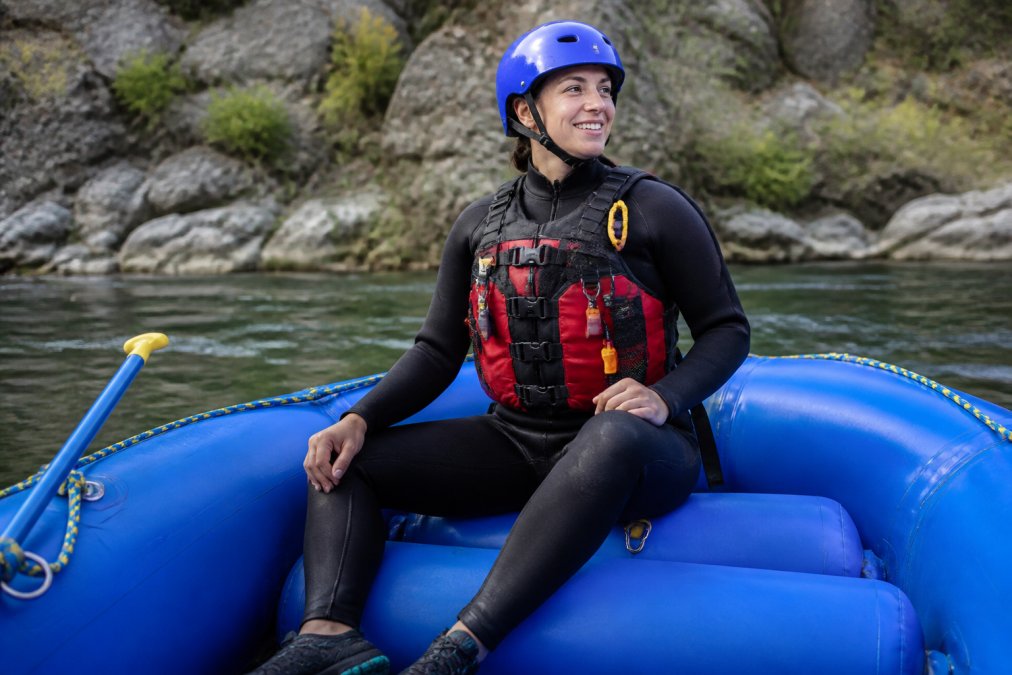
Wetsuits become essential on colder water or longer trips. A 3mm or 5mm neoprene wetsuit traps a layer of water against your skin, which your body warms. It feels strange initially but makes the difference between enjoyment and misery on cold rivers.
Your outfitter provides a PFD. A quality one fits snugly, doesn’t restrict arm movement, and has multiple attachment points. Ask about gear quality when booking.
A helmet is non-negotiable on Class II or higher rapids. Modern rafting helmets are lightweight and don’t impair vision or hearing.
Water shoes or neoprene booties protect your feet from sharp rocks and prevent slipping. Sandals or bare feet are dangerous.
Build Your Rafting Trip Packing List
A dry bag keeps essentials safe: phone, wallet, car keys, and dry clothes. Quality dry bags use roll-top seals and are rated for submersion. A 10-15 liter bag is sufficient for a day trip.
Electronics and Valuables: Waterproof Strategy
Most first-time rafters worry about their phone and camera. There are three practical approaches, each with trade-offs:
Waterproof phone case approach: Hard-shell cases ($15-40) allow touchscreen operation and emergency access. Limitation: Cases fog up and seals fail after 1-2 seasons. Best for: Solo travelers wanting emergency communication.
Disposable or waterproof camera approach: Single-use cameras ($15-25) or action cameras ($100-400) eliminate phone anxiety. Many outfitters allow GoPro mounting. Best for: Photographers wanting high-quality images.
Leave it behind approach: Many experienced paddlers simply leave their phone in the car. You’re on the river for 3-6 hours; you won’t miss it. Your outfitter has communication devices for emergencies. Best for: Anyone seeking full presence and freedom from device worry.
Regardless of approach, store your phone or camera in a separate dry bag from other essentials. If one bag fails, you don’t lose everything.
Wallets and car keys go in a waterproof pouch inside your dry bag. Some outfitters offer gear lockers at the launch site; ask when booking. Never leave valuables unattended in your car at the put-in.
Hydration and Nutrition Strategy
Paddling is physical work; dehydration sneaks up because you’re surrounded by water. For half-day trips, bring 16-24 ounces minimum; for full-day trips, bring 32+ ounces or plan to refill at lunch breaks.
For trips over three hours, electrolyte drinks (sodium and potassium) are better than plain water. Mix powder into your bottle before the trip or bring packets.
Trail mix, energy bars, nuts, or dried fruit keep energy stable. Avoid chocolate, granola bars, and gummy candies. Pack snacks in waterproof containers inside your dry bag.
For multi-day trips, your outfitter typically provides camping gear, food, and logistics. Ask specifically what’s included to avoid duplicating equipment. Confirm dietary restrictions and preferences when booking; most outfitters can accommodate vegetarian, vegan, or allergy-conscious meals with advance notice.
Clothing and Comfort Items
A towel and change of clothes make the post-trip transition pleasant. Bring dry socks and underwear; cold muscles recover more slowly.
Sunscreen is critical, water reflects UV rays intensely. Waterproof SPF 30+ applied before and during breaks prevents burns. Bring a small tube for reapplication.
Bring a hat or headband to keep sun and water out of your eyes. A baseball cap works, though headbands stay in place better during rough water.
Group Trip Logistics
For group trips, coordinate who brings what (first aid, repair kit, snacks) to distribute weight and ensure nothing gets forgotten.
The difference between a good rafting experience and a great one often comes down to small preparation details: proper sunscreen, adequate hydration, waterproof protection for valuables, and dry clothes waiting at the end. These details prevent discomfort and let you focus on the river.
Master Safety Gear and Emergency Protocols
Your guide will conduct a mandatory safety briefing. Pay attention, it covers paddle commands, what to do if you fall out, re-entry techniques, and hand signals.
Prepare Mentally and Recover After Your Trip
Learning how to prepare for a guided rafting adventure includes mental preparation, which is as important as physical conditioning. Knowing what to expect reduces anxiety significantly.
Post-Trip Muscle Recovery and Soreness Management
Delayed-onset muscle soreness (DOMS) peaks 24-48 hours after your trip, affecting back, shoulders, forearms, and core. This soreness is normal and indicates effective challenge.
Mental and Emotional Recovery
Whitewater rafting is simultaneously exhilarating and exhausting. You’ll experience a neurochemical cocktail of adrenaline, endorphins, and cortisol during the trip, followed by a crash as those chemicals normalize. This emotional fatigue is real and often underestimated.
The soreness and fatigue you feel after rafting aren’t signs you did something wrong, they’re signs you challenged yourself and your body is adapting. Most experienced paddlers feel proud of that soreness, not regretful. It fades within 3-5 days, and you’ll be stronger for it.
Frequently Asked Questions
How physically fit do I need to be for whitewater rafting?
Most guided rafting trips accommodate a wide range of fitness levels. A 6-8 week training plan involving 2-3 cardio sessions and 2 strength sessions per week prepares you well, but casual fitness is often sufficient for mild to moderate rivers. Focus on functional strength like core stability and balance rather than intense training. Your guide will adjust paddle intensity and positioning based on your ability, so honest communication about your fitness level helps them set you up for success.
What should I wear for a guided rafting trip?
Wear a wetsuit or synthetic clothing designed for water activities, avoid cotton, which loses insulation when wet. A personal flotation device (PFD) and helmet are mandatory and typically provided by outfitters. Water shoes or neoprene booties protect your feet, and waterproof sunscreen prevents burns. Bring a quick-dry shirt and shorts as backup. The specific gear depends on water temperature and river class, so ask your outfitter for their recommendations before your trip.
What do I need to pack for a guided rafting adventure?
Pack a dry bag with essentials: extra clothes, toiletries, medications, and snacks. Bring a refillable water bottle for hydration between rapids. Include sunglasses with a strap, a waterproof camera case if you want photos, and any personal items you’ll need on the river. For multi-day trips, pack sleeping gear and additional clothing. Leave valuables at home or in a secure location, and confirm with your outfitter what they provide versus what you need to bring.
Is whitewater rafting safe for beginners and families?
Yes. Whitewater rafting fatalities are statistically rare, occurring at approximately six deaths per 2.5 million rafters. Professional outfitters enforce mandatory safety briefings, provide certified guides, and outfit all participants with life jackets and helmets. Most family-friendly trips use mild Class I-II rapids. Your guide will assess group ability and adjust the experience accordingly. Always disclose any medical conditions or concerns beforehand so your guide can plan appropriately.