
Yosemite Rafting Pricing: What to Expect in 2027
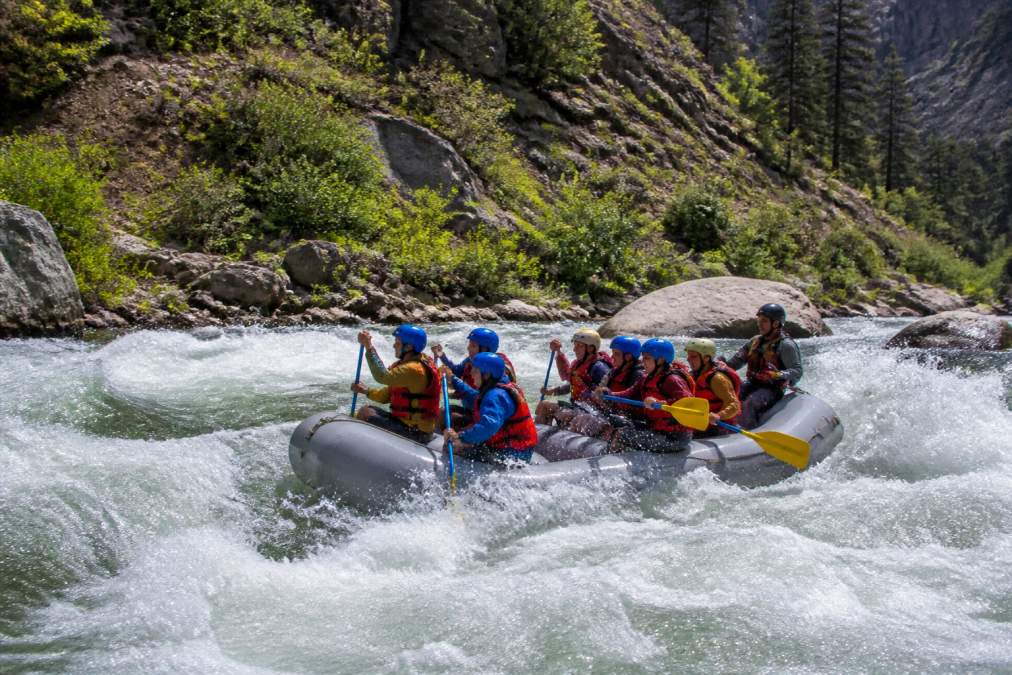
Table of Contents
- Yosemite Rafting Pricing: Valley Rentals vs Guided Whitewater
- Half-Day vs Full-Day Rafting: Time, Cost, and Experience
- Merced River Rafting Difficulty and What to Expect
- What to Wear Rafting: Gear, Layers, and Essentials
- Seasonal Availability and Water Flow: When to Go
- Self-Guided vs Guided Rafting: Which Is Right for You?
- Booking, Logistics, and Post-Rafting Tips
- Frequently Asked Questions
Last Updated: September 22, 2026
Yosemite Rafting Pricing: Valley Rentals vs Guided Whitewater
Yosemite rafting pricing splits into two completely different experiences, and confusing them is the most common planning mistake visitors make. A self-guided float on the Merced River inside Yosemite Valley costs $36.00 per person for a rental raft, life jacket, and paddle, according to Travel Yosemite’s official rafting page. Guided whitewater expeditions on the Tuolumne River run from $300 to $949 per person depending on trip length, per Sierra Mac’s 2026 Tuolumne expedition pricing.
Self-Guided Valley Float Costs
The valley float is the cheapest way onto the water: $36.00 per person covers the rental raft, paddle, and life jacket. Add $5.50 each for a life jacket or paddle if you bring your own boat, plus $8.50 for the shuttle if you’re floating with a personal raft (Travel Yosemite, 2026). Total for a family of four with rentals: roughly $144.
Guided Whitewater Excursions
Guided trips cost more because you’re buying expertise, equipment, and river access you can’t get on your own. A one-day Merced River whitewater trip with lunch and multi-day combos with camping and meals can also be found. Tuolumne expeditions vary in price depending on trip length and type.
What Drives the Price Gap
Three factors separate a $36 float from a $949 expedition: river class, guide ratio, and logistics. Class IV-V whitewater demands certified guides, safety kayakers, and permits that calm-water rentals don’t require. Meals, camping gear, and shuttle coordination add cost on multi-day trips. The gap isn’t markup; it’s risk management and access.
Option | Price Per Person | River Class | Guided? | Best For |
|---|---|---|---|---|
Valley raft rental | $36.00 | Class I-II | No | Families, casual floaters |
Shuttle only (own raft) | $8.50 | Class I-II | No | Confident self-guided paddlers |
1-day guided whitewater | ~$444 | Class III-IV | Yes | Thrill-seekers, first-timers |
Multi-day guided combo | ~$1,024 | Class III-V | Yes | Groups, adventure travelers |
Half-Day vs Full-Day Rafting: Time, Cost, and Experience
Half-day trips suit travelers with tight schedules, while full-day excursions deliver the whitewater payoff most people actually came for. The table below is the fastest way to see how the two stack up before you commit.
Factor | Half-Day | Full-Day |
|---|---|---|
River miles | 5-8 | 12-18 |
Time on water | 2-3 hours | 5-6 hours |
Total door-to-door time | 4-5 hours | 8-9 hours |
Typical price per person | $150-$250 | $300-$450 |
Meals included | Usually none | Lunch standard; some add breakfast |
Rapids per trip | 3-6 named rapids | 8-14 named rapids |
Best for | Families, first-timers, tight itineraries | Groups, repeat rafters, Class IV-V seekers |
The Per-Hour Math Most Outfitters Won’t Show You
The per-hour value can vary depending on the trip length and inclusions. The full-day is the better value on a per-hour basis, but only if your group has the stamina. A tired paddler at hour four is a liability, not a guest, and guides will pull a struggling participant out of a rapid rather than risk a flip.
How Trip Length Interacts With Water Flow
This is where most planning guides go quiet. Snowmelt-driven flow peaks in late May and early June, then tapers through July and August. In a high-flow year, a half-day can cover the same mileage a full-day covers in a low-flow year, because the current does more of the work. In a low-flow August, the same half-day may require more paddling and include fewer rapids, since rocks that were submerged in June are now exposed and force portages or channel changes.
Booking Windows by Trip Length
Half-day trips have more departure slots and can sometimes be booked a week or two out, especially on weekdays. Full-day and multi-day trips sell out first because they require more guide capacity, more shuttle coordination, and, on permitted rivers, a fixed allocation of commercial user days. If you want a specific Saturday in June, book by March. If you’re flexible on dates, mid-week departures in late June and early July often have the best combination of flow and availability.
Merced River Rafting Difficulty and What to Expect
Merced River rafting difficulty ranges from gentle Class I-II floats in Yosemite Valley to Class IV whitewater in the canyon sections, depending entirely on where you put in. The valley stretch is calm enough for beginners and children. The commercial whitewater section demands paddling ability and comfort in moving water.
What to Wear Rafting: Gear, Layers, and Essentials
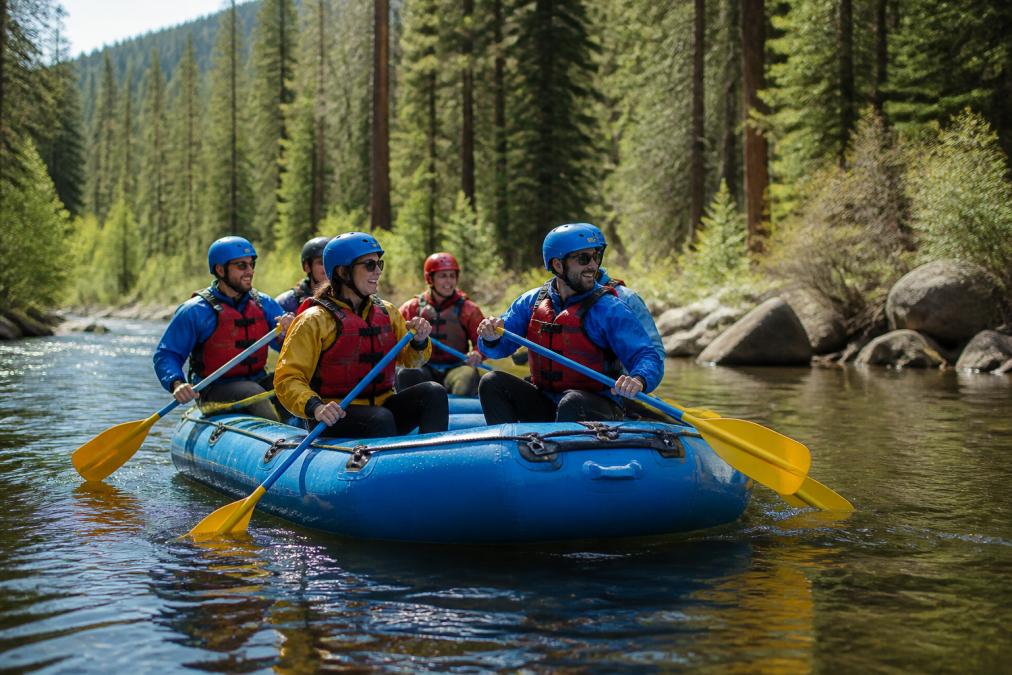
What to wear rafting depends on water temperature, not air temperature. Snowmelt-fed rivers stay cold even on 90-degree days, so layers matter more than you’d expect.
Seasonal Availability and Water Flow: When to Go
Rafting season near Yosemite is short and snowpack-dependent. Guided whitewater typically runs late April through mid-June, sometimes extending into July after a heavy winter. Multi-day trips often run on specific days of the week, opening in April and wrapping by mid-May.
Self-Guided vs Guided Rafting: Which Is Right for You?
Most planning guides either lump self-guided rentals and guided whitewater into one “rafting” bucket or split them so cleanly that readers can’t tell which one fits their group. The honest answer is that these are two different sports that happen to share a river. Use the decision matrix below to place yourself before you book.
Your Situation | Self-Guided Rental | Guided Trip |
|---|---|---|
You’ve never paddled moving water | Not recommended | Strongly recommended |
You have kids under 12 | Valley float only, Class I-II | Family-friendly half-day, Class II-III |
You want Class III+ rapids | Not possible on a rental | Required |
You want to set your own pace and stop for photos | Ideal | Limited by group schedule |
You have one day and no gear | Possible but you’ll rent everything | Easier, gear is included |
You’re comfortable reading current and eddies | Fine on Class I-II | Still valuable for Class III+ |
You want a shuttle, safety briefing, and rescue support | Not included | Included |
You’re traveling with a group of 6+ | Cheaper per person | Often cheaper than you’d expect with group rates |
The Skill Question, Answered Honestly
“Basic paddling confidence” is the phrase rental operators use, and it’s vague on purpose. What it actually means: you can steer a raft with two or four paddlers, you can recognize a strainer (a downed tree with water pushing through it) and avoid it, and you can self-rescue if you fall out in flat water. If any of those three makes you pause, book a guided trip.
What Guided Actually Buys You
A guided trip is not just a person in the back of the boat. It’s a permitted commercial operator with insurance, a certified guide who has run that stretch dozens or hundreds of times, a safety kayaker on Class IV-V sections, a shuttle you don’t have to arrange, and a rescue plan if something goes wrong. On permitted rivers, the operator also holds a fixed allocation of commercial user days, meaning the trip you book is one of a limited number that can legally run that season.
What Self-Guided Actually Buys You
Freedom and cost. A rental raft on the valley stretch lets you launch when you want, stop on a sandbar for lunch, and turn a two-hour float into a four-hour one without asking anyone. For a family, the all-in cost can be significantly less than a guided trip. The trade-off is that you own the logistics: your own shuttle, your own safety decisions, your own read of the current, and your own judgment about whether the water is within your ability that day.
The Hybrid Option Most People Miss
If you’re on the fence, consider a guided half-day as a skills primer, then a self-guided rental the next day on the calmer valley stretch. You get instruction and a feel for moving water on day one, then apply it on your own terms on day two. It’s the fastest way to convert a nervous first-timer into a confident paddler, and it’s cheaper than booking two guided days.
Booking, Logistics, and Post-Rafting Tips
Guided trips bundle shuttle service, so you park once and the outfitter moves you between put-in and take-out points. Self-guided floaters handle their own transport or pay the $8.50 shuttle fee. Every commercial trip requires a signed liability waiver before boarding.
Frequently Asked Questions
How much does a typical whitewater rafting trip near Yosemite cost?
Guided whitewater trips on the Tuolumne River range from $300 to $949 per person depending on duration and expedition type. On the Merced River, a one-day guided trip with lunch costs around $444, while multi-day combos with camping and meals can reach $1,024. For a calmer experience, raft rentals in Yosemite Valley are $36 per person, with optional life jacket and paddle rentals at $5.50 each and shuttle service at $8.50. Contact Sierra Mac for current guided trip pricing.
What is the difference between half-day and full-day rafting trips?
Half-day trips cover a shorter stretch of river, making them ideal for families or first-timers. Full-day excursions include more river miles and often a riverside lunch, providing a deeper wilderness experience. Full-day trips generally involve more extensive logistics. Choose based on your group’s stamina and schedule.
Do I need prior experience to go rafting on the Merced River?
No prior experience is needed for most guided trips on the Merced River. Professional guides provide a safety briefing and paddling instruction before launch. The Merced offers Class II to Class IV rapids depending on the section and water flow, so beginners can enjoy calmer stretches while more adventurous rafters can tackle bigger waves. Always disclose any medical conditions to your outfitter.
What should I wear and bring for a rafting trip?
Wear quick-drying synthetic layers, a swimsuit, and secure water shoes. Avoid cotton. Bring a paddle jacket or wetsuit if water is cold, plus sunscreen, a hat, and a dry bag for essentials. Life jackets and helmets are provided by outfitters. For cold days, wool or fleece layers under a splash jacket work well. Leave valuables behind and pack a change of clothes for after the trip.
What time of year is best for rafting the Merced or Tuolumne rivers?
The season typically runs from late April to mid-June, sometimes extending into July depending on snowpack. Peak flows from snowmelt create the most exciting whitewater in May and early June. By mid-July, many valley rentals close as water levels drop. For guided whitewater, late spring offers the best combination of warm weather and reliable flows. Check with outfitters for current conditions and availability.