
Premium Whitewater Rafting Expeditions California: 2027 Guide
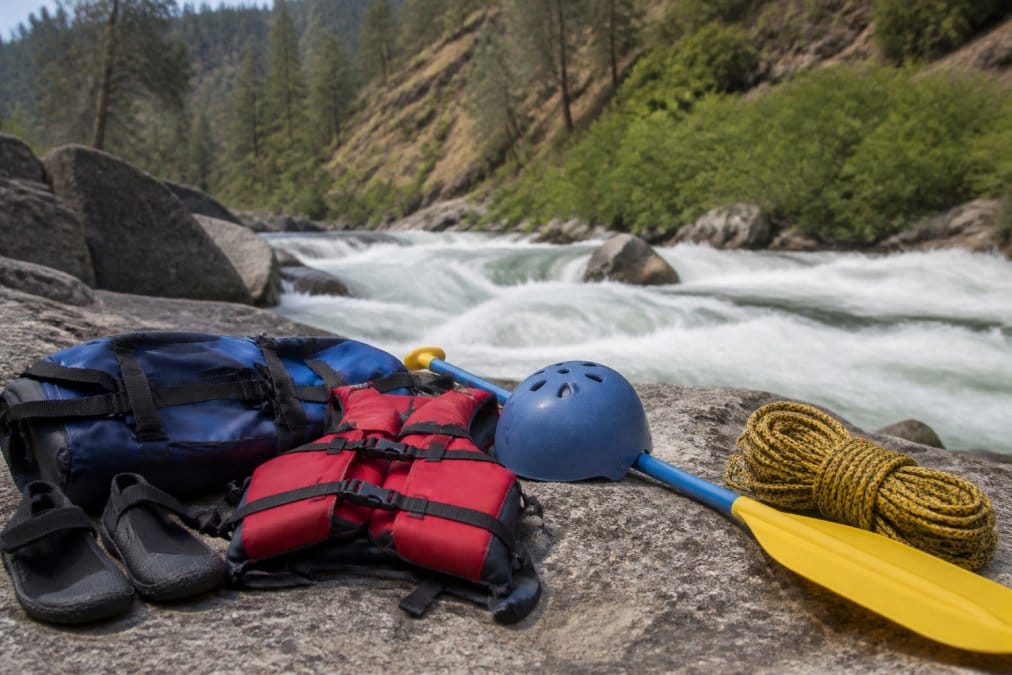
Table of Contents
- Why Premium Whitewater Rafting Expeditions in California Stand Apart
- Top Outfitters for Premium Whitewater Rafting Expeditions in California
- The Benefits of Multi-Day Rafting Expeditions
- What to Pack for a Multi-Day Rafting Trip
- Class V Rafting Trips: What to Expect and Who They’re For
- How to Choose the Right Premium Rafting Outfitter
- Frequently Asked Questions
Last Updated: September 23, 2026

Why Premium Whitewater Rafting Expeditions in California Stand Apart
Premium whitewater rafting expeditions in California pair expert guiding with rivers that most outfitters never touch. According to OARS 2026 seasonal outlook, the Sierra Nevada snowpack sits at roughly 18% of the historical April 1 average, yet state reservoirs are holding at 126% of average. That gap matters: dam-controlled flow, not snowmelt, is shaping the 2026 season. At Sierra Mac, a family-owned outfitter founded in 1965, we’ve watched that shift change how trips get planned, extended, and priced.
Top Outfitters for Premium Whitewater Rafting Expeditions in California
The best outfitters for premium whitewater rafting expeditions in California combine decades of river experience with permits on technical, high-difficulty runs.
Outfitter | Home River(s) | Trip Style | Best For |
|---|---|---|---|
Sierra Mac | Tuolumne, Merced, Cherry Creek | Half-day to multi-day, Class V | Yosemite-area adventure, all skill levels |
American Whitewater Expeditions | American River | Full-day and multi-day | Classic American River runs |
Kern River Rafting | Kern River | Half-day to two-day, Class II-IV | Quick access from southern hubs |
Six Rivers Rafting | Eel, Klamath, Trinity | All-inclusive multi-day | Stress-free supported expeditions |
Sierra Mac
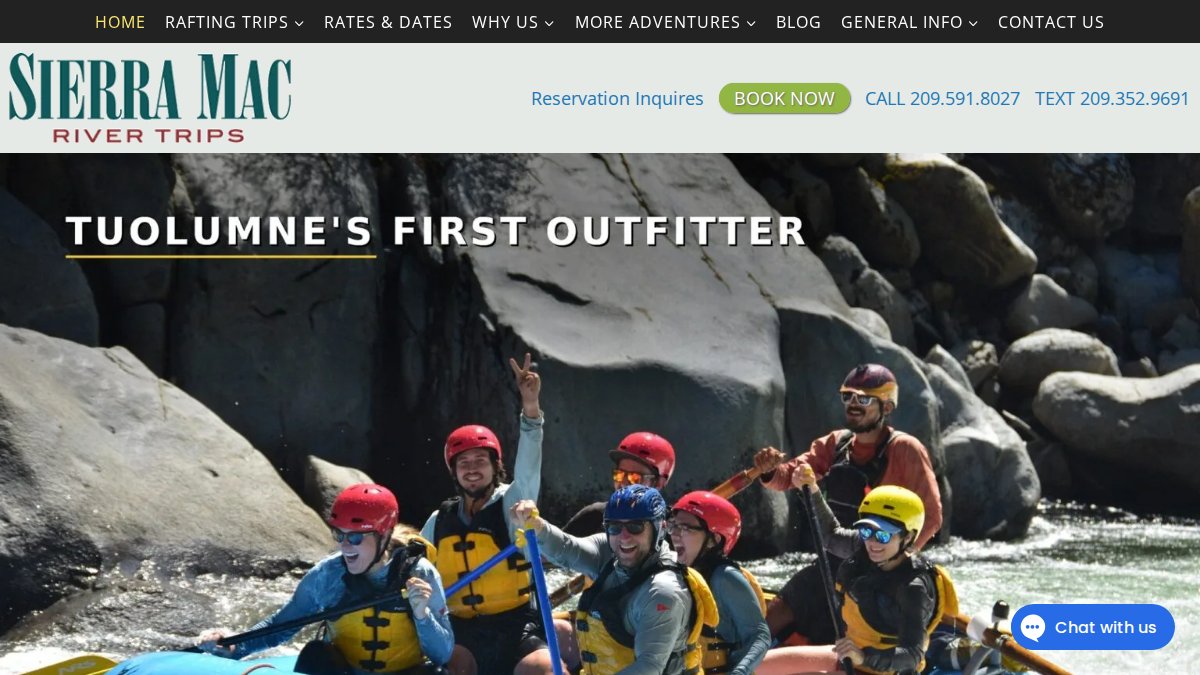
Sierra Mac is the top pick for anyone basing a trip around Yosemite National Park. Founded in 1965 as a family-owned business, Sierra Mac was the first outfitter to guide on the Merced and Tuolumne Rivers and pioneered commercial Class V rafting on Cherry Creek. The base sits 15 miles outside Yosemite’s northwest entrance, which means less driving and more river time.
American Whitewater Expeditions
American Whitewater Expeditions runs guided trips on the American River from Coloma. The operation handles full-day and multi-day excursions and knows local water flow management well. One thing to budget for: an 8% government land and river use fee is added to the base price.
Kern River Rafting
Kern River Rafting is the primary outfitter on the Kern, offering Class II through IV options and flexible durations from half-day to two-day trips. It’s the closest premium rafting to major southern population centers, though the operation is limited to Kern River geography.
Six Rivers Rafting
Six Rivers Rafting specializes in multi-day trips on the Eel, Klamath, and Trinity rivers with an all-inclusive model covering food, gear, and transportation. It suits groups who want zero logistics, but the trips are tied to Northern river systems.
The Benefits of Multi-Day Rafting Expeditions
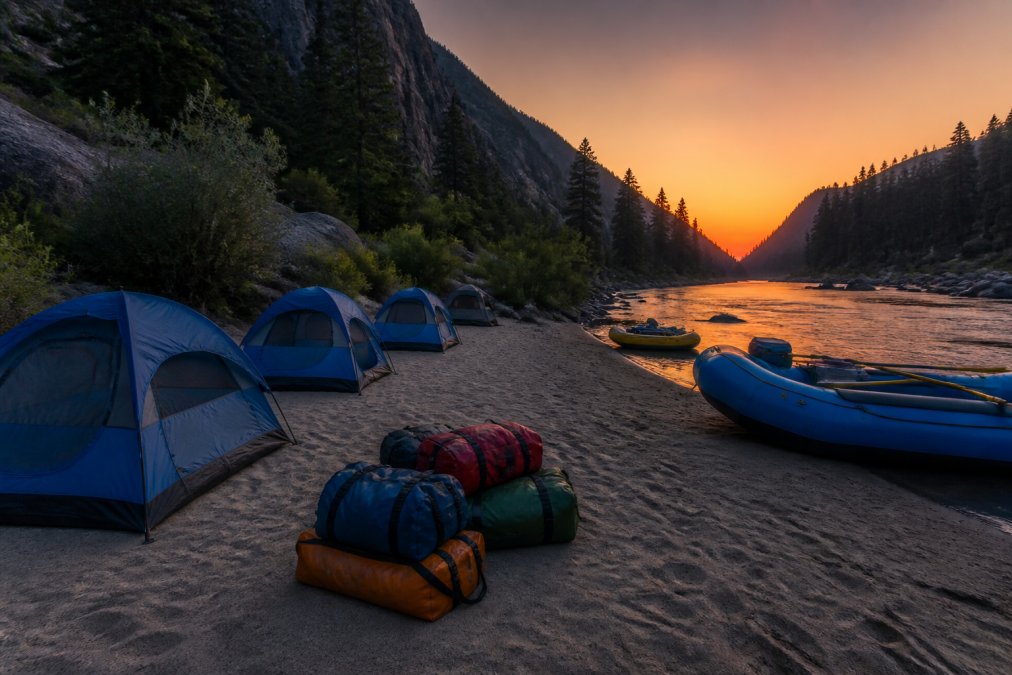
The core benefit of multi-day rafting expeditions is access. A single-day trip covers a stretch of river; a multi-day trip moves through entire canyons, camps on remote beaches, and reaches sections that day trips physically cannot. But the deeper payoff is what those extra river miles let you experience, and what they demand of you.
Access, Pacing, and the Fitness Reality
Multi-day trips are not simply “more of the same.” They change the physical contract between you and the river. A common pattern among premium operators is to break a long technical canyon into two or three paddling days so groups hit the biggest rapids rested rather than fatigued. That pacing matters most on Class IV and V runs, where reaction time and paddle precision degrade quickly with tired arms.
Before you book, self-select honestly against the class level:
- Class II-III multi-day: You should be able to swim, right yourself in moving water, and paddle for two to four hours a day with breaks. Most reasonably active adults clear this bar.
- Class IV multi-day: Expect sustained paddling, carrying personal gear over short portages or scrambles, and sleeping on uneven ground. Prior Class III experience is the usual minimum.
- Class V multi-day: Operators typically require documented Class III or IV experience, comfort as a strong swimmer, and the ability to follow precise paddle commands under stress. This is not a fitness-flex, it is a safety gate.
River Ecosystems: Why the River You Pick Changes the Trip
The geology and wildlife differ sharply from basin to basin, and that difference is half the reason to choose one multi-day route over another:
- Tuolumne River: A granite-carved canyon draining the high Sierra, with polished rock chutes, cold clear water, and pine-and-fir banks. The character is technical and pool-drop, big rapids separated by calm stretches.
- Merced River: Flows through and below Yosemite’s canyon country, with steep granite walls and a wilder, less-traveled feel on the permitted stretches.
- Cherry Creek: A steep, continuous, high-gradient run on the Tuolumne system, the benchmark Class V test piece in the region, with far less recovery water between drops.
- Kern River: Southern Sierra drainage with a warmer, drier feel, more sun exposure, and a mix of granite and metamorphic rock. Its Class II-IV range makes it the most accessible premium option for southern-based groups.
- Eel, Klamath, and Trinity rivers: Northern coastal and interior basins with cooler, greener canyons, more wildlife viewing, and a wetter climate that shapes both water levels and camp comfort.
Leave No Trace on the River
Multi-day trips put you in places that recover slowly. Sierra Mac runs its camps on Leave No Trace principles: pack out all trash including food scraps, use established fire rings or stoves only, camp on durable surfaces like sandbars rather than vegetated banks, and carry out human waste where required by the managing agency. Ask your outfitter what their waste and fire policy is before you book, the answer tells you a lot about how they treat the river.
Other advantages stack up quickly:
- Fewer crowds, since remote sections filter out day traffic
- Stronger group bonding over shared camp and river time
- Better pacing for technical rapids, with rest between big sections
- Wildlife and scenery you simply cannot see from a road
What to Pack for a Multi-Day Rafting Trip
What to pack for a multi-day rafting trip comes down to three categories: safety gear, personal layers, and camp comfort. Sierra Mac supplies the technical equipment, so confirm what is included before you shop, and confirm it in writing, because “all gear included” means different things at different operators. Adding a lightweight inflatable paddleboard gear setup to your personal kit allows for independent exploration of quiet eddies and calm river sections during the downtime between rapids.
Provided by most outfitters:
- Life jacket (PFD), helmet, and paddle
- Raft, oars, and dry bags for group gear
- Camp kitchen, meals, and shelter
Bring yourself:
- Wetsuit or quick-dry layers (check if the outfitter provides one)
- Water shoes with heel straps, plus a dry pair for camp
- Sunscreen, lip balm, and a wide-brim hat
- Headlamp, personal medication, and a reusable water bottle
- A warm layer for cool canyon evenings
Pack Differently by River and Season
Your list should shift based on which basin you are running and when:
- High Sierra runs (Tuolumne, Merced, Cherry Creek): Cold, clear snowmelt-fed water even in midsummer. A wetsuit or neoprene layer is not optional on Class IV-V days, and canyon evenings drop fast. Bring a real insulating layer, not just a fleece.
- Southern Sierra (Kern): Warmer water and far more sun exposure. Prioritize sun protection, extra water capacity, and a light long-sleeve for burn prevention over heavy insulation.
- Northern basins (Eel, Klamath, Trinity): Cooler, wetter, greener. Rain shell and a dry bag discipline matter more here, and mornings can be genuinely cold.
- Early season vs. late season: Spring runoff means colder water and higher flows; late summer means lower, warmer water and more exposed rock. Pack for the water temperature, not the air temperature.
Flying In? Pack for the Shuttle, Not the River
If you are traveling to a launch point by air, the packing problem changes. Soft duffels are essential, hard cases do not compress into a raft’s stow space and are awkward in a shuttle van. Ship or check only what you can carry to the meeting point yourself, and confirm with the outfitter whether they run a shuttle from the nearest town or airport, what time it departs, and whether it returns you to the same place at trip end.
Class V Rafting Trips: What to Expect and Who They’re For
Class V rafting trips are for confident swimmers in good physical shape who want sustained, technical whitewater and are comfortable following precise paddle commands. On the river difficulty scale, Class V means long, violent rapids with complex routes and real consequences for a missed line.
How to Choose the Right Premium Rafting Outfitter
Choosing the right premium rafting outfitter means checking five things: permit history, guide tenure, group size, what’s included, and how they handle logistics. Longevity signals a track record.
A quick checklist to run before you book:
- How long has the outfitter held its river permits?
- Are guides local, and how many seasons have they worked?
- What’s the maximum group size per raft and per trip?
- Does the price include gear, meals, and shuttle service?
- What’s the cancellation and rebooking policy?
Frequently Asked Questions
What defines a premium whitewater rafting expedition?
A premium whitewater rafting expedition combines expert local guides, small group sizes, high-quality gear, and access to remote or technical river sections. It often includes fully catered meals, seamless logistics, and a focus on safety and conservation. Outfitters like Sierra Mac, founded in 1965, offer this level of service on rivers such as the Tuolumne and Cherry Creek, near Yosemite.
What are the benefits of multi-day rafting expeditions compared to day trips?
Multi-day rafting trips let you access deeper wilderness, build camaraderie, and experience rivers at a slower pace. You camp along the river, eat meals prepared by guides, and paddle sections that day trips cannot reach. They also reduce shuttle stress and allow for progression from Class III to Class V rapids over several days.
Which rivers offer the best Class V rafting experiences?
Cherry Creek and the Tuolumne are top choices for Class V rafting in California. Cherry Creek is known for its steep gradient and technical rapids, while the Tuolumne offers a mix of big drops and scenic canyons. Each river has distinct seasons and difficulty levels, so check with outfitters for current conditions.
What should I look for in a professional rafting outfitter?
Look for licensed, permitted outfitters with experienced guides, strong safety records, and transparent pricing. Check if they provide all necessary gear, including PFDs and helmets, and whether they offer shuttle service. Reviews and longevity matter; for example, Sierra Mac has operated since 1965 and was the first to guide on the Merced and Tuolumne rivers. Ask about guide training and group sizes.
How do I prepare for a multi-day whitewater rafting trip?
Physical preparation includes cardiovascular exercise and upper-body strength training. Pack quick-dry layers, a wetsuit, water shoes, sunscreen, and a dry bag for essentials. Review the outfitter’s packing list and practice basic paddling techniques. Let your guide know about any medical conditions. Mental preparation: expect variable weather and be ready to follow commands quickly.