
Yosemite’s Best Kept Secrets: Hidden Gems Beyond the Valley
Table of Contents
- Why Yosemite’s Best Kept Secrets Matter
- Hetch Hetchy: Yosemite’s Quieter Twin
- Off the Beaten Path Yosemite Itinerary: Beyond the Valley
- Best Time to Visit Yosemite to Avoid Crowds
- Whitewater Rafting Tuolumne River: An Alternative Perspective
- Hidden Viewpoints and Photography Hotspots
- Backcountry Access and Wilderness Permits
- Escape the Crowds: Your Next Adventure Awaits
- Frequently Asked Questions
Last Updated: September 1, 2026
Why Yosemite’s Best Kept Secrets Matter
Most visitors never venture beyond the valley, photograph Half Dome from the same crowded viewpoint, and leave satisfied they’ve “done” Yosemite. But the park’s actual best kept secrets exist just minutes away, offering solitude and raw natural beauty that made Yosemite legendary.
According to Newsweek’s 2025 analysis, only about 1% of Yosemite visitors reach Hetch Hetchy, the park’s northwestern valley, roughly 40,000 to 50,000 people annually, a fraction of the 4.2 million total visits in 2025. At Sierra Mac, we’ve spent decades guiding visitors toward these overlooked experiences. This guide explores genuine hidden gems where you can hike for hours without crowds, photograph landscapes rivaling Yosemite Valley, and experience the wilderness that drew people here long before Instagram made Tunnel View a pilgrimage site.
Hetch Hetchy: Yosemite’s Quieter Twin
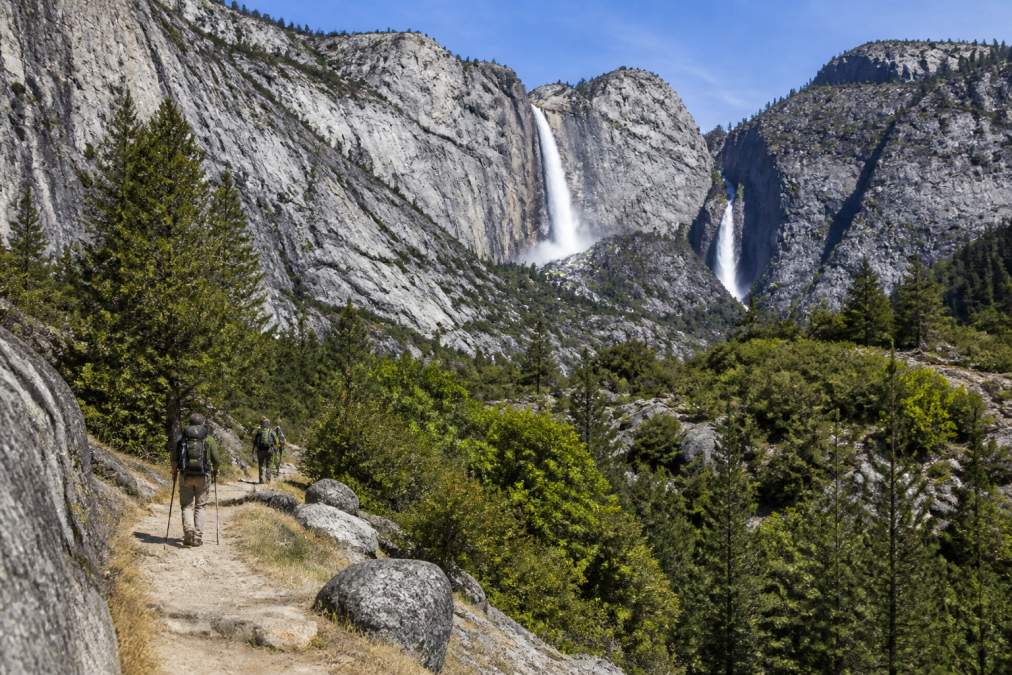
Hetch Hetchy Valley sits in the northwestern corner, a 45-minute drive from Yosemite Valley. Towering granite cliffs, cascading waterfalls including the impressive Wapama Falls, and a reservoir reflecting surrounding peaks create stunning landscape. Yet it remains profoundly quiet. According to Parks Collecting founder James Ian via Newsweek, only about 1% of Yosemite visitors reach Hetch Hetchy.
What Makes Hetch Hetchy Different
While Yosemite Valley feels like a theme park on summer weekends, Hetch Hetchy feels genuinely remote. The valley is a reservoir, which bothers some purists, but the surrounding wilderness and sheer absence of crowds more than compensate. Accessibility is straightforward: Hetch Hetchy Road branches from Highway 120 and leads directly to the valley. Unlike remote areas requiring backpacking permits or challenging access, you can reach Hetch Hetchy by car and start hiking immediately. Even on busy summer weekends, you’ll encounter a fraction of the crowds at Glacier Point or Tunnel View.
Best Trails and Viewpoints
The Wapama Falls trail is the most popular hike here, a 4.7-mile round trip following the reservoir shoreline before climbing to views of the falls. Even at peak times, you’ll share the trail with far fewer people than on the Mist Trail. The falls are particularly impressive in early summer when snowmelt feeds the cascades.
For a shorter experience, the reservoir loop offers stunning views with minimal elevation gain. Photography opportunities abound, especially during golden hour when granite cliffs catch late afternoon light.
Arrive early even at Hetch Hetchy. While crowds are lighter than the valley, parking still fills on summer Saturdays. A 7 AM arrival gives you the best chance at solitude on the trail.
Off the Beaten Path Yosemite Itinerary: Beyond the Valley
Creating an off the beaten path Yosemite itinerary requires shifting focus from the “must-see” checklist to prioritizing experience quality and solitude. Here’s a realistic three-day approach.
Day One: Tuolumne Meadows Exploration
Tuolumne Meadows sits in the high country at roughly 8,600 feet elevation, accessible via Tioga Road (Highway 120 east). The landscape differs completely from the valley: wide-open subalpine meadows, granite domes, and crystal-clear alpine lakes. National Park Service data via Incredible Adventures confirms Tuolumne remains significantly less crowded than valley attractions.
Start with the Cathedral Lakes trail, a moderate 8-mile round trip climbing through meadows to pristine alpine lakes. Bring layers; the high elevation means afternoon thunderstorms are common even in summer, and temperatures drop significantly.
Day Two: Washburn Point and Olmsted Point
Washburn Point sits just 0.7 miles from the far more crowded Glacier Point, yet receives a fraction of visitors. The short walk to Washburn Point takes 10 minutes from the parking area. Next, drive to Olmsted Point, an easily accessible turnout on Tioga Road that many visitors pass without stopping. The 0.4-mile Olmsted Point Nature Trail offers stupendous views of Yosemite Valley and Half Dome with far fewer people.
Day Three: Gaylor Lakes and Alpine Wonders
For your final day, tackle Gaylor Lakes near the Tioga Pass entrance. This 2.6-mile round-trip hike climbs 500 feet to reach a vivid alpine meadow at 10,000 feet. Start by 7 AM to finish before afternoon storms develop.
An off the beaten path Yosemite itinerary prioritizes solitude and landscape diversity over checking boxes. Three days exploring high country and overlooked viewpoints beats a week cycling through crowded valley attractions.
Best Time to Visit Yosemite to Avoid Crowds
Understanding visitor patterns is essential to finding Yosemite’s best kept secrets. National Park Service via Incredible Adventures reports that 75% of visitors travel to Yosemite between May and October, with numbers ranging from 300,000 to 600,000 people during these months.
Off-Season Advantages
The off-season, November through April, transforms the park. Fewer visitors means shorter waits at entrances, easier parking, and genuinely remote trails. Winter brings snow to higher elevations, but valley trails remain accessible. Spring (April-May) offers wildflowers and flowing waterfalls with moderate crowds. Fall (September-October) delivers clear skies, comfortable temperatures, and noticeably fewer people.
Shoulder Seasons for Solitude
The shoulder seasons, late April through May and September through October, offer the sweet spot. Weather is generally favorable, most roads are open, but crowds remain well below summer peaks. Late September is particularly excellent: summer tourists have departed, weather is still warm, and light has that golden quality that makes photography exceptional.
A 2026 Washington State University survey conducted in mid-August found that 91% of visitors waited less than 15 minutes to enter the park, and 56% spent less time looking for parking than expected. This suggests that even during peak season, strategic timing within the day matters. Arriving before 8 AM or after 4 PM significantly reduces congestion.
June 2026 visitation soared to near-record highs, with 634,508 total visits, 20% higher than the average from 2010-2024. If you’re planning a peak-season visit, expect genuine crowds even at “hidden” spots. Off-season timing is your most reliable strategy for solitude.
Whitewater Rafting Tuolumne River: An Alternative Perspective
Most visitors experience Yosemite from trails and viewpoints. Few consider accessing the park’s best kept secrets via river. Yet whitewater rafting offers an entirely different perspective, where you’re immersed in wilderness rather than observing from a distance.
Why River Access Beats Hiking Crowds
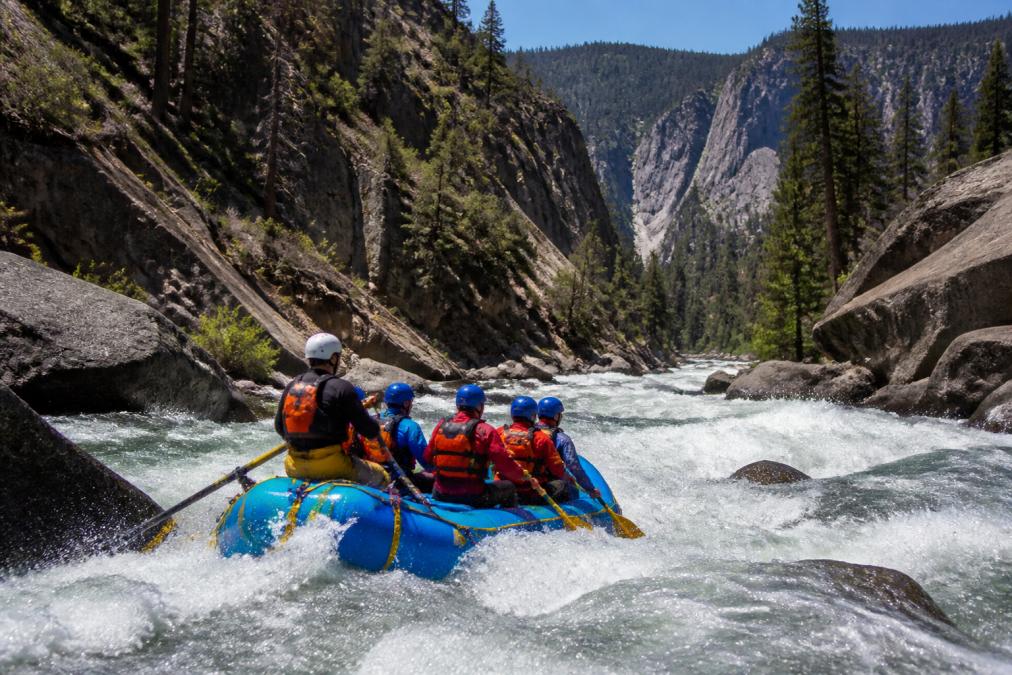
The Tuolumne River cuts through granite canyons and alpine terrain few hikers ever see. From the water, you experience the park’s geology at intimate scale: canyon walls towering overhead, waterfalls cascading directly into the river, wildlife visible from the water’s edge. More importantly, river access bypasses crowding entirely. A multi-day rafting expedition puts you in genuine wilderness with a small group. avoiding national park crowds.
Sierra Mac pioneered commercial rafting on the Tuolumne River and has guided these waters since 1965. The company offers everything from half-day floats suitable for families with children aged 12 and up to intense multi-day Class V expeditions.
Multi-Day Expeditions and Wilderness Permits
Multi-day rafting trips combine whitewater adventure with backcountry camping. You launch in the morning, navigate rapids throughout the day, and camp riverside at night. Meals are provided, gear is managed by the outfitter, and you experience genuine wilderness without solo backpacking logistics.
These trips don’t require personal wilderness permits because the outfitter manages permitting. This is a significant advantage over independent backpacking, where securing permits is highly competitive.
| River Section | Difficulty | Best For | Duration |
|---|---|---|---|
| Merced | Class III-IV | Families, beginners | Half-day or full-day |
| Main Tuolumne | Class IV-V | Experienced paddlers | Full-day or multi-day |
| Cherry Creek/Upper Tuolumne | Class V | Expert paddlers | Multi-day |
Multi-day Tuolumne River expeditions suit groups seeking genuine wilderness immersion, families with teenagers ready for adventure, and anyone wanting to escape crowds while experiencing Yosemite’s backcountry without solo logistics.
Hidden Viewpoints and Photography Hotspots
Yosemite’s best kept secrets include viewpoints delivering stunning photography without crowds.
Washburn Point: The Overlooked Vista
Washburn Point delivers a panoramic vista encompassing Half Dome, Vernal Falls, the Mist Trail, and expansive valley views. The light here is exceptional during golden hour, and you can spend an hour composing shots without competing for space. Drive to Glacier Point Road and continue to the Washburn Point parking area. A short walk leads to the overlook. Arrive by 7 AM or after 5 PM for minimal crowds.
Sentinel Dome and Taft Point Loop
This 2.2-mile round-trip hike combines two viewpoints. Sentinel Dome offers 360-degree panoramic views including El Capitan and Half Dome. Taft Point provides dramatic views of the valley floor and granite formations. The hike is accessible from Glacier Point Road (seasonal closure in winter) and offers stunning sunset photography opportunities with moderate elevation gain.
Olmsted Point and the High Country
Olmsted Point is genuinely overlooked. This easily accessible turnout on Tioga Road (Highway 120 east) provides stupendous views of Yosemite Valley and Half Dome. Most visitors pass without stopping. Light here is exceptional in mid-morning and late afternoon.
Backcountry Access and Wilderness Permits
Understanding the permit system is essential for accessing Yosemite’s best kept secrets via backpacking.
Understanding the Permit System
Overnight backcountry camping requires a wilderness permit obtained through Recreation.gov. The system allocates 60% of permits through a weekly lottery 24 weeks in advance, with the remaining 40% becoming available seven days before your desired date. Permits cost $10 per permit plus $5 per person (non-refundable).
The lottery system is highly competitive for popular trailheads during peak season. But less-popular trailheads have significantly better availability. The Hetch Hetchy area has far fewer permit applications than valley-to-High Sierra Camp routes.
Permits must be picked up in person at a Yosemite Wilderness Permit Station.
Less-Crowded Trailheads and Itineraries
The Cathedral Lakes trailhead near Tuolumne Meadows offers excellent backcountry access with moderate permit competition. The Hetch Hetchy area has numerous trailheads with significantly lower demand. A strategic approach is planning your trip around permit availability rather than a specific date.
Apply during the lottery for your first-choice trailhead. Simultaneously, monitor the seven-day availability window for backup options. Most people don’t realize that waiting until the final week often yields permits at less-popular trailheads that lottery winners didn’t fully book.
Escape the Crowds: Your Next Adventure Awaits
Yosemite’s best kept secrets are waiting, but they require intentionality. They’re not secrets because they’re hidden; they’re secrets because most visitors never look beyond the valley. An off the beaten path Yosemite itinerary prioritizing Hetch Hetchy, Tuolumne Meadows, and overlooked viewpoints delivers the authentic wilderness experience that makes the park legendary.
The best time to visit Yosemite to avoid crowds is off-season or shoulder season, when weather permits and visitor numbers drop dramatically. If visiting during peak season, strategic timing and lesser-known locations still offer solitude.
Consider also that whitewater rafting on the Tuolumne River offers an alternative perspective entirely, where professional guides manage logistics, permits, and safety while you experience genuine backcountry immersion. Whether you approach Yosemite’s best kept secrets via trail or river, the payoff is the same: wilderness that feels genuinely remote and experiences justifying why this park has captivated visitors for over 150 years.
Discovering Yosemite beyond the crowded valley requires planning, but the reward is profound. At Sierra Mac, we’ve guided thousands of visitors toward these overlooked experiences, whether via whitewater expeditions on the Tuolumne River or through recommendations for backcountry access and hidden viewpoints. BOOK NOW with Sierra Mac and experience whitewater rafting that combines Class V technical challenge with access to wilderness few ever see, expert guides, riverside camping, and the kind of adventure that transforms how you understand Yosemite.
=== FAQ ANSWERS (audit these too, same rules) ===
[1] Q: What is Yosemite’s best kept secret for avoiding crowds?
A: Hetch Hetchy Valley is Yosemite’s quietest gem, visited by only about 1% of park visitors, roughly 40,000 to 50,000 people annually. Located in the northwestern corner of the park, it offers towering granite cliffs and waterfalls comparable to Yosemite Valley but with exceptional solitude. Tuolumne Meadows is another excellent alternative, providing high-country alpine landscapes and peaceful hiking opportunities far from the valley’s congestion.
[2] Q: What is the best time to visit Yosemite to avoid crowds?
A: November through April sees far fewer visitors. While 75% of visitors travel between May and October, shoulder seasons like early May and late September provide excellent conditions with noticeably fewer people. Winter visits offer solitude but require checking road closures. Early spring (March-April) brings fewer crowds and earlier road openings, making it an ideal window for experiencing the park’s less-traveled areas.
[3] Q: Are there hidden waterfalls in Yosemite away from the main valley?
A: Yes. Hetch Hetchy features Wapama Falls and other cascades accessible via less-crowded trails. Gaylor Lakes, a 2.6-mile round-trip hike near Tioga Pass entrance at 10,000 feet elevation, leads to a vivid alpine meadow with waterfalls and pristine scenery. These locations receive a fraction of the foot traffic of popular valley waterfalls, offering a true wilderness experience with minimal crowds.
[4] Q: How does whitewater rafting on the Tuolumne River provide a unique experience?
A: Whitewater rafting offers access to river canyons and geological features unreachable by foot, providing a dynamic perspective of the landscape. Multi-day expeditions combine adventure with wilderness immersion, allowing you to experience remote backcountry away from day-use crowds. The Tuolumne River offers Class III-V rapids depending on the season and section, ranging from scenic floats to intense whitewater challenges. This experience complements hiking by accessing pristine wilderness areas that absorb far fewer visitors than trail-based attractions.
Frequently Asked Questions
Q: What is Yosemite’s best kept secret for avoiding crowds?
A: Hetch Hetchy Valley is Yosemite’s quietest gem, visited by only about 1% of park visitors, roughly 40,000 to 50,000 people annually. Located in the northwestern corner of the park, it offers towering granite cliffs and waterfalls comparable to Yosemite Valley but with exceptional solitude. Tuolumne Meadows is another excellent alternative, providing high-country alpine landscapes and peaceful hiking opportunities far from the valley’s congestion.
Q: What is the best time to visit Yosemite to avoid crowds?
A: November through April sees far fewer visitors. While 75% of visitors travel between May and October, shoulder seasons like early May and late September provide excellent conditions with noticeably fewer people. Winter visits offer solitude but require checking road closures. Early spring (March-April) brings fewer crowds and earlier road openings, making it an ideal window for experiencing the park’s less-traveled areas.
Q: Are there hidden waterfalls in Yosemite away from the main valley?
A: Yes. Hetch Hetchy features Wapama Falls and other cascades accessible via less-crowded trails. Gaylor Lakes, a 2.6-mile round-trip hike near Tioga Pass entrance at 10,000 feet elevation, leads to a vivid alpine meadow with waterfalls and pristine scenery. These locations receive a fraction of the foot traffic of popular valley waterfalls, offering a true wilderness experience with minimal crowds.
Q: How does whitewater rafting on the Tuolumne River provide a unique experience?
A: Whitewater rafting offers access to river canyons and geological features unreachable by foot, providing a dynamic perspective of the landscape. Multi-day expeditions combine adventure with wilderness immersion, allowing you to experience remote backcountry away from day-use crowds. The Tuolumne River offers Class III-V rapids depending on the season and section, ranging from scenic floats to intense whitewater challenges. This experience complements hiking by accessing pristine wilderness areas that absorb far fewer visitors than trail-based attractions.
This article was written using GrandRanker