
Class V Rafting Trips California: A 2026 Guide
Table of Contents
- Class V Rafting Trips California: What You Need to Know
- Cherry Creek and Upper Tuolumne: The Premier Class V Run
- Forks of the Kern: Wilderness Immersion and Big Water
- Upper Kern River: Technical Continuous Whitewater
- California Salmon River: Remote Canyon Adventure
- Class V Rafting Physical Requirements and Fitness Preparation
- Benefits of Multi-Day Rafting Expeditions
- Choosing Your Class V Rafting Adventure
- Frequently Asked Questions
Last Updated: August 31, 2026
Class V Rafting Trips California: What You Need to Know
Class V rafting trips represent the pinnacle of whitewater adventure, steep drops, continuous technical rapids, and unforgiving water that demands respect and skill. The snowpack in the southern Sierra reached 300% of average in May 2023, transforming the rafting season and bringing rivers back to life after years of drought KVPR’s coverage of California whitewater conditions. Not every outfitter is equipped to run these rivers safely, and not every paddler is ready for them.
At Sierra Mac, we’ve been pioneering Class V commercial rafting since 1965. We operate on the Cherry Creek and Upper Tuolumne, two of the most technically demanding rivers in the state. Below, we’ll walk you through the premier Class V runs in California, what you need to prepare, and how to choose the right expedition for your skill level.
Cherry Creek and Upper Tuolumne: The Premier Class V Run
Cherry Creek is considered the most popular Class V run in California. It’s popular because it’s the gold standard of technical whitewater, delivering nearly continuous Class IV-V rapids, steep drops that demand precision, and a granite canyon setting that makes every moment feel remote and consequential.
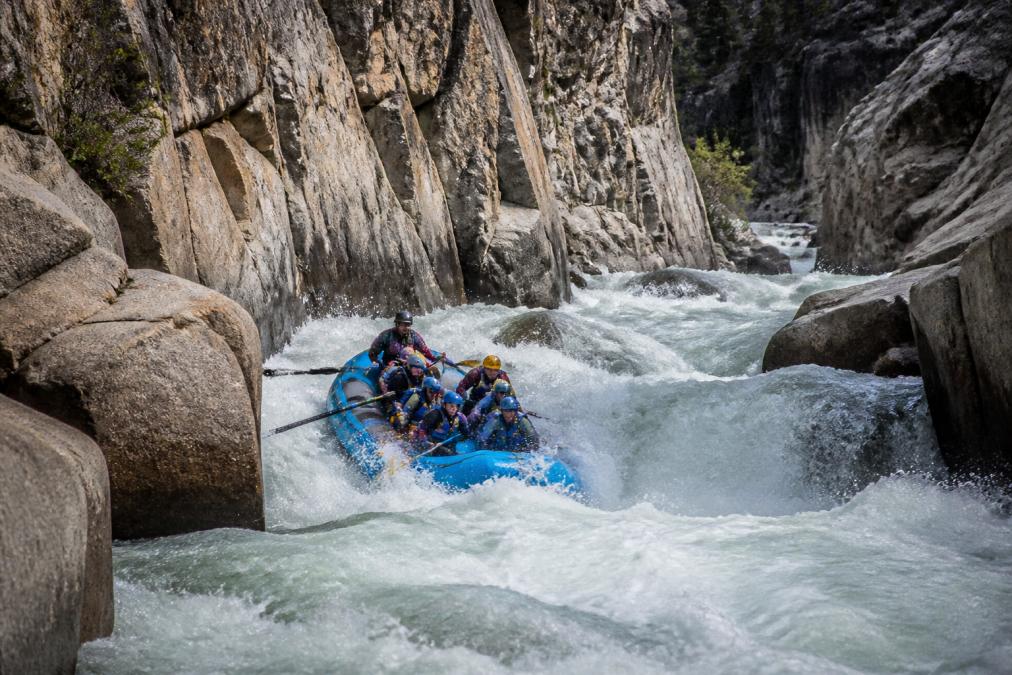
The Upper Tuolumne section flows through a wild and scenic corridor where you’re navigating 15 Class V rapids in under 9 miles. That density of technical whitewater means you don’t get recovery time between rapids, you’re constantly reading water, positioning your boat, and executing. Commercial use has remained stable, averaging 169 boaters per year, ensuring a managed experience designed for skill and safety (fs.usda.gov).
What separates Cherry Creek from easier Class IV runs is the margin for error. Undercuts, strainers, and powerful hydraulics demand active participation from every paddler. Sierra Mac requires a Class V paddler’s test and mandatory training seminar before launch, this is the difference between a controlled adventure and a rescue situation.
The best window for Cherry Creek is typically May through August, when snowmelt keeps flows in the sweet spot. Trips typically run 1, 2, or 3 days, with multi-day options combining Cherry Creek with the Main Tuolumne for longer wilderness immersion.
Forks of the Kern: Wilderness Immersion and Big Water
The Forks of the Kern is often considered the premier wilderness Class V rafting trip in the United States. The river flows through a gorgeous canyon with numerous side-hikes and combines almost continuous Class IV whitewater punctuated with big Class V drops Kern River Outfitters’ guide to Class V wilderness trips.
Unlike Cherry Creek, which is technical and precise, the Forks demands power and commitment. You’re paddling through a remote granite canyon where the river dictates the pace and canyon walls rise thousands of feet above you. A typical Forks trip runs 3 days, covering roughly 30 miles of river. The first day includes a 2-mile hike to the put-in, a reminder that you’re entering genuine wilderness. Side hikes to waterfalls and emerald pools break up paddling and give you perspective on the landscape’s scale.
The Forks season runs April through June, driven entirely by snowmelt. This weather dependency is part of what makes the Forks feel like a true wilderness adventure, you’re working with the river’s timeline, not your calendar. Expect to pay a premium for the Forks; the remoteness, multi-day commitment, expertise required, and small group sizes all factor into pricing. For experienced paddlers seeking a genuine wilderness expedition, this trip changes how you think about rivers.
Upper Kern River: Technical Continuous Whitewater
The Upper Kern represents a different kind of Class V challenge. Where the Forks emphasizes big water and canyon immersion, the Upper Kern is relentless technical whitewater compressed into a single day. This run features sections like Thunder Run and Chamise Gorge, almost entirely Class IV-V rapids with minimal recovery pools.
A full-day Upper Kern trip covers roughly 12 miles and typically includes a catered lunch midway through. The Class V season runs mid-April through mid-July, dependent on snowmelt. What makes the Upper Kern distinct is its accessibility compared to multi-day runs. You get a full day of world-class technical whitewater without committing to 3 days in the backcountry.
Participants typically need to be at least 16 years old (18 during high water), pass a swim test, and have previous Class IV experience. Safety kayakers accompany each trip to provide support if the boat flips or someone swims.
California Salmon River: Remote Canyon Adventure
The California Salmon River offers big water Class V whitewater in one of the most remote and pristine canyons in the state. This run is seasonal, typically available only in spring during peak snowmelt, making it feel like a genuine wilderness secret.
The Salmon features technical Class IV-V rapids like Cascade and Freight Train, with waterfalls dropping from sheer walls and emerald-green water filling the eddies. Some outfitters offer “Rafting Safari” experiences that combine Class V whitewater with pop-up glamping, including amenities like wood-fired saunas.
A typical Salmon trip runs 3 or 4 days, depending on the outfitter and your schedule. The remoteness means logistics matter: helicopter access, backcountry camping, and self-sufficiency in the canyon. The Salmon season is short, typically April through June, driven by snowmelt and permit availability. When conditions align, the Salmon delivers a level of remoteness and whitewater intensity that few North American rivers can match.
Class V Rafting Physical Requirements and Fitness Preparation
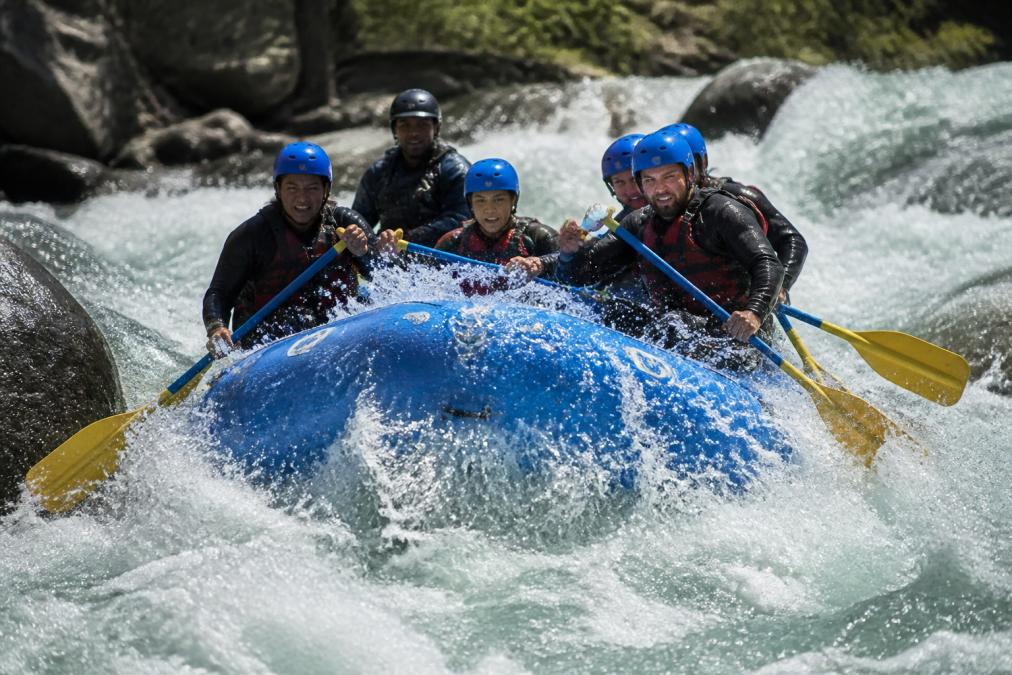
Class V rafting isn’t just about paddling skill, it’s about sustained physical endurance. Whitewater rafting can burn a significant number of calories per hour, depending on water intensity and your effort level. On a multi-day trip, you’re looking at 6-8 hours of continuous paddling, often in cold water while wearing a wetsuit and helmet.
Cardiovascular endurance. You need aerobic capacity to paddle hard for extended periods. Training should include sustained cardio, running, cycling, or rowing, at least 3-4 times per week for 6-8 weeks before your trip, with 45-60 minute sessions at moderate to high intensity.
Upper body and core strength. Paddling demands power from your shoulders, back, and core. Strength training should focus on pull-ups, rows, and core work. Paddling-specific drills translate directly to river performance.
Grip strength and shoulder stability. Class V rapids demand sustained grip strength and stable shoulders. Farmer carries, dead hangs, and shoulder-strengthening exercises prepare you for the demands.
Mental toughness. Class V requires focus, decision-making under stress, and the ability to stay calm when water is chaotic. Mental preparation, visualization, and breathing techniques matter as much as physical training.
Most outfitters recommend at least 6-8 weeks of dedicated training before a Class V trip. If you’re over 60, less athletic than you once were, or returning to paddling after time away, start training earlier and consider a less intense Class V run before committing to a multi-day expedition.
A swim test at the put-in is standard for Class V trips. This ensures you’re comfortable in moving water before you’re in a rapid. If you fail a swim test, the outfitter will work with you to find a suitable alternative trip or reschedule when you’ve had more time to prepare.
Benefits of Multi-Day Rafting Expeditions
Multi-day rafting trips offer full wilderness immersion and the chance to settle into the river’s rhythm. Research has indicated that participants reported a reduction in PTSD symptoms and a decrease in general stress after a river rafting trip.
Multi-day trips allow you to build trust with paddling partners, learn to read water at a deeper level, and experience multiple rapid classifications as flows change. You have time for side hikes, fishing, and exploration that day trips don’t accommodate. You watch canyon walls change color as light shifts and experience the river at different times of day. This is what “bucket-list adventure” means, not just the adrenaline, but the immersion.
The tradeoff is time and cost. Multi-day trips require 3-5 days away from work and family, and pricing reflects the logistics, expertise, and service involved. For serious paddlers and adventure seekers, a multi-day Class V expedition is worth the investment.
Choosing Your Class V Rafting Adventure
Selecting the right Class V trip depends on three factors: your skill level, your time availability, and what kind of experience you’re chasing.
| Trip Type | Best For | Duration | Physical Demand | Season |
|---|---|---|---|---|
| Cherry Creek (Sierra Mac) | Technical paddlers seeking precision whitewater | 1-3 days | High (continuous active paddling) | May-August |
| Forks of the Kern | Wilderness-focused paddlers in excellent condition | 3 days | Very High (multi-day backcountry) | April-June |
| Upper Kern River | Day-trip seekers wanting intense Class V | 1 day | High (sustained paddling) | April-July |
| California Salmon River | Remote canyon adventurers | 3-4 days | Very High (remote logistics) | April-June |
If you’ve done Class IV but never Class V: Start with a day trip on the Upper Kern or a 1-day Cherry Creek run. Most outfitters require a Class V paddler’s test, which identifies exactly where you stand and what you need to work on.
If you’re an experienced Class V paddler: The Forks of the Kern or California Salmon River offer the wilderness immersion and sustained technical challenge that serious paddlers crave.
If you’re 50+ or returning to paddling: Don’t count yourself out of Class V. Plenty of paddlers in their 60s and 70s run Class V rivers successfully. The key is honest assessment of your fitness level, realistic training, and choosing a trip that matches your capabilities.
If you’re bringing a group: Consider a multi-day trip. The bonding that happens over 3 days on a river is unlike anything you get from a day trip. You’re working together through challenges, sharing meals, and experiencing something genuinely remote.
The difference between a great Class V trip and a dangerous one comes down to outfitter expertise, honest skill assessment, and proper preparation. Don’t rush into Class V without training. Don’t choose an outfitter based on price alone. And don’t underestimate the physical and mental demands. Done right, Class V rafting is the most rewarding adventure you can have on water.
Class V rafting in California offers unmatched technical whitewater, wilderness immersion, and the kind of challenge that transforms how you see yourself and nature. Sierra Mac has been guiding Class V expeditions since 1965, with location just 15 miles outside Yosemite’s northwest entrance giving us access to rivers most outfitters can’t reach. We combine expert local knowledge with the professional safety standards that Class V demands. Book a Class V trip with Sierra Mac and experience whitewater at the highest level, with guides who know every rapid, every eddy, and every hazard on the river.
=== FAQ ANSWERS (audit these too, same rules) ===
[1] Q: What physical requirements are needed for Class V rafting?
A: Class V rafting demands excellent cardiovascular fitness, core strength, and upper body endurance. You must be able to paddle continuously for 2-4 hours, swim competently in moving water, and maintain focus during high-stress situations. Most outfitters require participants to pass a swim test and demonstrate active paddling ability. Age minimums typically range from 16-18 depending on water levels. Participants should be comfortable with sustained physical exertion at high intensity.
[2] Q: How does a multi-day Class V expedition differ from a day trip?
A: Multi-day expeditions offer full wilderness immersion, allowing you to settle into the river’s rhythm, build trust with your group, and experience multiple rapid classifications across changing terrain. Research has indicated that participants reported a reduction in PTSD symptoms and a decrease in general stress after a multi-day river trip. Day trips deliver intense whitewater focus but lack the restorative wilderness connection and scenic side-hikes that define extended expeditions.
[3] Q: What makes Cherry Creek one of the most challenging rafting runs?
A: Cherry Creek is considered the most popular Class V run in the region, featuring almost continuous steep drops, technical granite canyon passages, and under-cuts that demand precision paddling. The river’s narrow sections and powerful hydraulics require expert navigation and split-second decision-making. The run’s 15 Class V rapids in under 9 miles create an unrelenting technical challenge that separates experienced paddlers from beginners.
[4] Q: When is the best time of year for Class V rafting?
A: Class V runs depend on snowmelt, making spring and early summer the peak season. In 2023, the southern Sierra snowpack reached 300% of average, creating ideal water flows from April through July. Most outfitters operate their Class V programs from mid-April through mid-July, with exact dates depending on current water levels measured in cubic feet per second (cfs). High-water years extend the season; drought years shorten it significantly.
[5] Q: Are Class V rafting trips safe for beginners?
A: Class V trips are not recommended for true beginners, but experienced commercial outfitters make them accessible to strong intermediate paddlers through required training seminars and swim tests. Safety kayakers accompany each trip, wetsuits are mandatory, and guides conduct rapid scouting before each section. Your safety depends entirely on honest self-assessment of fitness and swimming ability.
Frequently Asked Questions
What physical requirements are needed for Class V rafting?
Class V rafting demands excellent cardiovascular fitness, core strength, and upper body endurance. You must be able to paddle continuously for 2-4 hours, swim competently in moving water, and maintain focus during high-stress situations. Most outfitters require participants to pass a swim test and demonstrate active paddling ability. Age minimums typically range from 16-18 depending on water levels. Participants should be comfortable with sustained physical exertion at high intensity.
How does a multi-day Class V expedition differ from a day trip?
Multi-day expeditions offer full wilderness immersion, allowing you to settle into the river’s rhythm, build trust with your group, and experience multiple rapid classifications across changing terrain. Research has indicated that participants reported a reduction in PTSD symptoms and a decrease in general stress after a multi-day river trip. Day trips deliver intense whitewater focus but lack the restorative wilderness connection and scenic side-hikes that define extended expeditions.
What makes Cherry Creek one of the most challenging rafting runs?
Cherry Creek is considered the most popular Class V run in the region, featuring almost continuous steep drops, technical granite canyon passages, and under-cuts that demand precision paddling. The river’s narrow sections and powerful hydraulics require expert navigation and split-second decision-making. The run’s 15 Class V rapids in under 9 miles create an unrelenting technical challenge that separates experienced paddlers from beginners.
When is the best time of year for Class V rafting?
Class V runs depend on snowmelt, making spring and early summer the peak season. In 2023, the southern Sierra snowpack reached 300% of average, creating ideal water flows from April through July. Most outfitters operate their Class V programs from mid-April through mid-July, with exact dates depending on current water levels measured in cubic feet per second (cfs). High-water years extend the season; drought years shorten it significantly.
Are Class V rafting trips safe for beginners?
Class V trips are not recommended for true beginners, but experienced commercial outfitters make them accessible to strong intermediate paddlers through required training seminars and swim tests. Safety kayakers accompany each trip, wetsuits are mandatory, and guides conduct rapid scouting before each section. Your safety depends entirely on honest self-assessment of fitness and swimming ability.