
Book a Multi-Day River Rafting Trip: A 2026 Guide
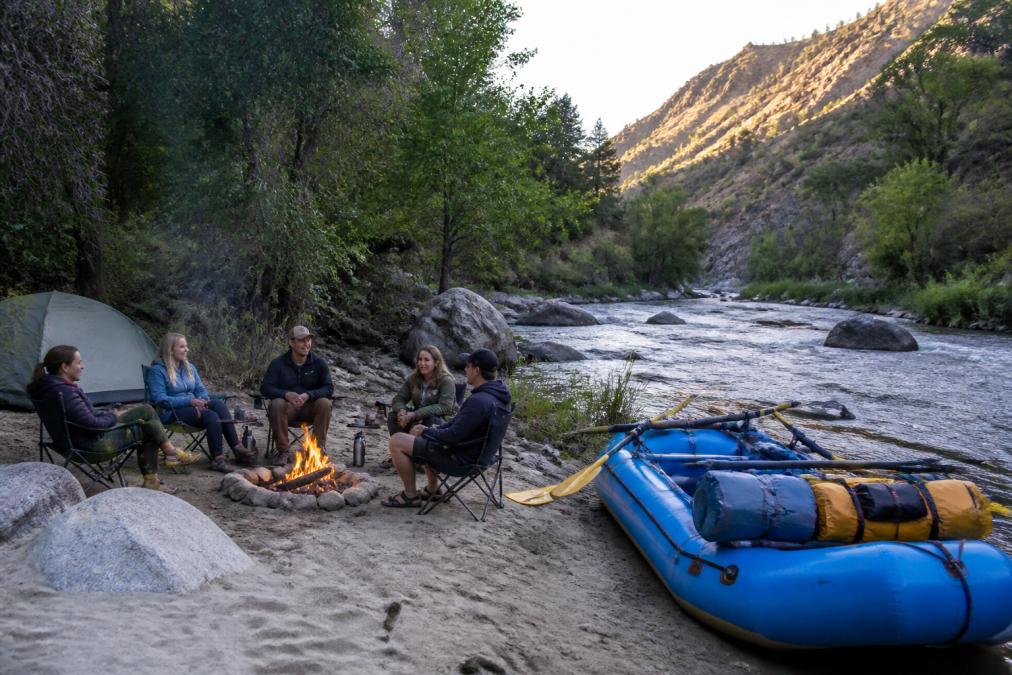
Table of Contents
- What to Expect on a Multi-Day Rafting Trip
- What Month Is Best for Whitewater Rafting
- How to Choose a Rafting Outfitter
- Step 1: Determine Your Group’s Skill Level and Preferences
- Step 2: Select Your River and Difficulty Class
- Step 3: Review All-Inclusive Package Inclusions
- Step 4: Prepare Physically and Pack Strategically
- Step 5: Finalize Your Booking and Logistics
Last Updated: August 29, 2026
What to Expect on a Multi-Day Rafting Trip
A multi-day river rafting trip puts you on the water for two to five days, fully immersed in a river corridor far removed from everyday life. Unlike day trips, multi-day expeditions let you settle into the river’s rhythm. Research from UC Berkeley found that participants reported a 29% reduction in PTSD symptoms and a 21% decrease in general stress one week after a river rafting trip (berkeley.edu). The experience combines paddling through whitewater with camping under the stars, orchestrated by professional guides who handle logistics so you can focus on adventure.
Daily Schedule and River Time
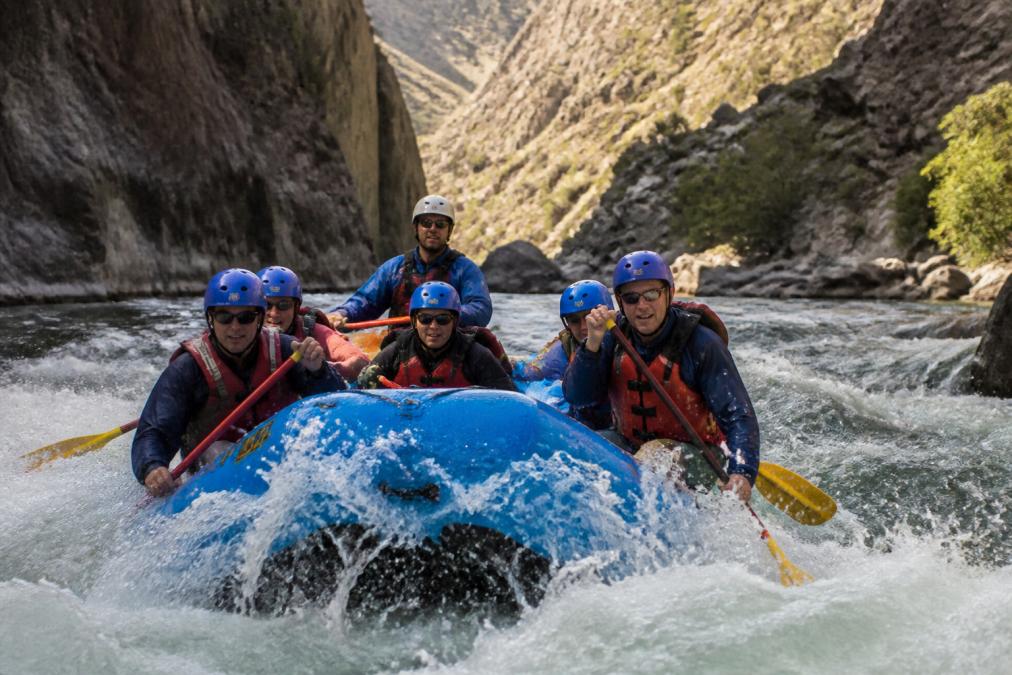
Your day typically starts before sunrise with breakfast served from camp. By mid-morning, everyone is on the water for 4-6 hours of paddling through Class II to Class V rapids, depending on your chosen river and trip. Lunch happens on a riverside beach or sandbar with a hot meal prepared by support staff. Afternoons bring more paddling before the rafts pull into camp at a pristine riverside location accessible only by water.
The mental shift happens gradually. On day one, you’re still thinking about work. By day three, your prefrontal cortex has genuinely quieted down. As journalist Florence Williams explained: "We seem to be giving our prefrontal cortex a break, so our thinking brain is quieting down and given a rest. So that can refresh our creativity and allow for mind-wandering."
Camping and Riverside Accommodations
Professional outfitters provide established campsites with sandy beaches and flat ground. Your outfitter supplies a tent, sleeping bags, pads, and all necessary gear. Professional cooks prepare genuine meals, pancakes and bacon for breakfast, fresh fish or steak for dinner, not freeze-dried packets. Water is drawn from the river and treated or filtered. Bathroom facilities follow "leave no trace" principles strictly.
The accommodation experience varies by outfitter. Some use lightweight backpacking tents; premium operators provide larger dome tents with better weather protection.
What Month Is Best for Whitewater Rafting
The best month depends on what experience you want and which river you’re targeting. Spring offers peak water levels and intense rapids. Summer provides warmer weather and more stable conditions. The 2026 whitewater rafting season is characterized by below-average snowpacks, expected to lead to earlier runoff, shorter peak windows, and more technical summer flows.
Spring Runoff and Peak Water Levels
Spring runoff, typically April through June, brings the highest water levels and most intense rapids. Class IV and Class V rapids are at their most challenging. If you’re an experienced paddler seeking the ultimate adrenaline rush, spring is your season.
The downside: spring water is cold, days are shorter, and campsites can be muddy. Spring trips also fill up fastest, reserve by January or February at the latest.
Summer Conditions and Lower Flows
Summer, from July through September, brings warmer water, longer daylight, and more stable conditions. Water levels drop, making rapids less intense but more technical. Class III rapids become the norm; Class IV sections are still challenging but manageable. Water temperature climbs into the 60s Fahrenheit.
Summer is ideal for families with children aged 12 and up, first-time rafters, and anyone who values comfort over extreme challenge. Reservations for the 2026 Gauley River season are up approximately 10% compared to the previous year. Multi-day Grand Canyon rafting and dory trips are in high demand for 2026, with limited space available and 2027 trips already open for booking.
How to Choose a Rafting Outfitter
Not all outfitters are created equal. When booking a multi-day river rafting trip, you’re trusting your safety and experience to a company and its guides for multiple days in a remote setting.
Guide Experience and Safety Standards
The best guides have spent thousands of hours on the water. They read rapids instantly and understand how to manage group dynamics while maintaining safety. Ask potential outfitters about guide training and certification, annual water hours, incident rates, and regular safety briefings. Professional outfitters should have clear answers and comprehensive insurance.
A smaller, locally-focused company like Sierra Mac, operating since 1965 as a family-owned pioneer on the Tuolumne and Merced Rivers, often delivers superior experiences because guides know every mile of river intimately and can customize trips based on conditions and group dynamics.
Oar-Powered vs. Motorized Raft Options
Oar-powered rafts are propelled by a single guide using two long oars. The experience feels more intimate, closer to the water, more connected to the river’s power. Oar trips tend to be slower, allowing time for side hikes, swimming, and exploration.
Motorized rafts are faster and cover more river miles, ideal if you want to see as much terrain as possible. But the noise and distance from the water create a different, less immersive experience. For multi-day trips, oar-powered expeditions are generally preferred. Sierra Mac specializes in oar-powered expeditions. high performance gear.
Step 1: Determine Your Group’s Skill Level and Preferences
Get honest about what your group actually wants. Are you seeking an adrenaline-pumping challenge or a scenic escape? Do you have young teenagers who’ve never paddled, or experienced kayakers looking for Class V intensity?
Different trips cater to different skill levels. Class II and III rapids suit families and beginners. Class IV requires some whitewater experience. Class V is for experienced paddlers only. Talk to group members individually before committing. The best multi-day trips match the group’s actual comfort level, not the level they think they should be at.
Step 2: Select Your River and Difficulty Class
The United States has dozens of rivers suitable for multi-day rafting expeditions. The Grand Canyon offers iconic scenery and trips lasting up to two weeks. The Salmon River in Idaho is known for pristine wilderness and excellent fishing. The Tuolumne River near Yosemite combines technical rapids with stunning granite canyon walls.
Research the specific sections each outfitter offers. A company might operate multiple sections of the same river, some Class II, some Class IV. Confirm which section your trip covers and whether that matches your group’s skill level. Ask your outfitter about expected conditions for your chosen dates.
Step 3: Review All-Inclusive Package Inclusions
A true all-inclusive package covers the raft, guide, meals, camping gear, and transportation to and from the put-in point. Some outfitters include wetsuits and splash jackets; others charge extra.
Clarify these details before booking:
- Are meals included for all days?
- What about snacks and drinking water?
- Is camping gear provided or do you bring your own?
- Are wetsuits and personal flotation devices included?
- What about transportation from a central location to the put-in point?
- Are gratuities for guides expected or included?
Understanding what’s included helps you compare true costs across different outfitters.
Step 4: Prepare Physically and Pack Strategically
A multi-day river rafting trip is physically demanding. You’re paddling for hours, setting up camp, and hiking in a remote environment.
Physical Preparation for Multi-Day Expeditions
Start training 6-8 weeks before your trip. Focus on upper body and core strength: paddling movements, rowing motions, and torso stability. Push-ups, planks, and resistance band work targeting shoulders and back are ideal. Cardiovascular fitness and lower body work matter too, you’ll be standing, climbing in and out of rafts, and hiking.
The first day is the hardest. Your muscles aren’t adapted to the paddling motion yet. By day two or three, your body adapts and the experience becomes genuinely enjoyable.
Essential Packing Checklist
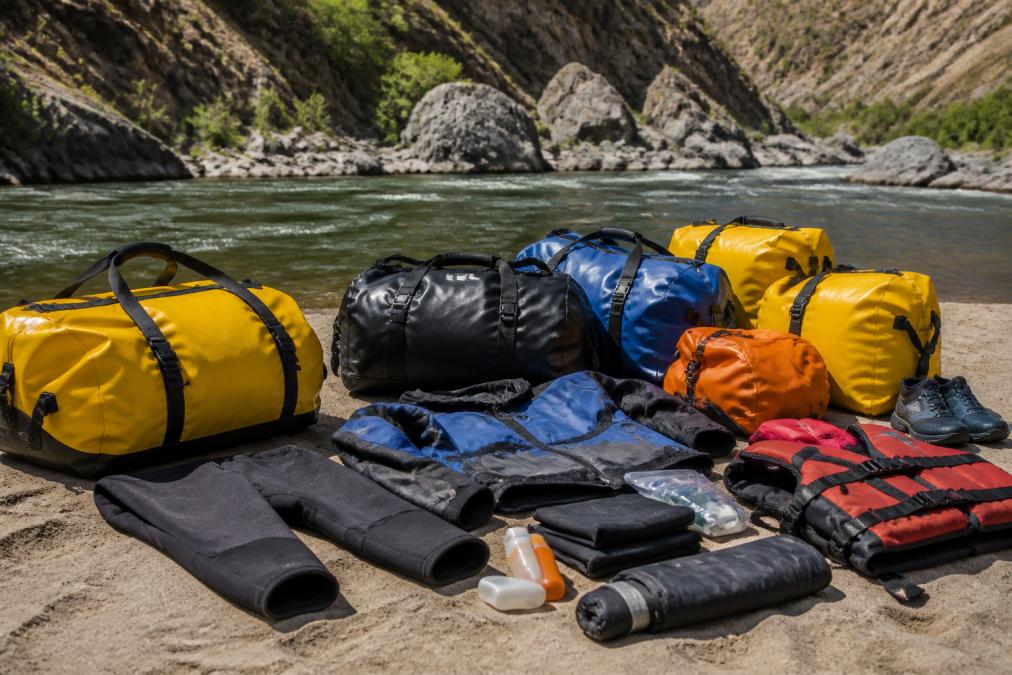
Pack light. You’re limited by what fits in a dry bag. Here’s what to bring:
- Lightweight, quick-dry clothing (avoid cotton)
- Warm layer (fleece or wool)
- Rain jacket and rain pants
- Sturdy water shoes or sandals
- Personal toiletries (biodegradable soap, toothbrush, sunscreen)
- Medications and first-aid items
- Headlamp or small flashlight with extra batteries
- Sunglasses with a retention strap
- Hat or visor for sun protection
- Swimsuit
- Lightweight towel (microfiber dries faster)
- Small notebook and pen
- Camera or phone in a waterproof case
- Insect repellent
- Lip balm with SPF
- Personal comfort items (book, journal, music player)
Leave behind: heavy jeans, cotton shirts, unnecessary electronics, and anything you can’t afford to lose to water damage.
Step 5: Finalize Your Booking and Logistics
Once you’ve chosen your outfitter and trip, handle the administrative details. Most outfitters require a deposit to hold your reservation, with final payment due 30-60 days before departure. Read the cancellation policy carefully.
Confirm all logistics with your outfitter:
- Exact put-in and take-out locations
- Transportation arrangements
- Check-in time and location
- What to bring vs. what they provide
- Emergency contact procedures
- Any waivers or forms needed before the trip
Ask about group size. Smaller groups (6-10 people) tend to have more intimate experiences. Larger groups (15-20) offer more social energy but less personalized attention. A week before departure, contact the outfitter one final time to reconfirm everything and ask about current river conditions.
Choosing a multi-day river rafting trip is one of the best decisions you can make for your mental health, relationships, and sense of adventure. The combination of physical challenge, natural beauty, and genuine disconnection from digital distractions creates an experience that stays with you long after you’ve dried off. At Sierra Mac, we’ve been guiding guests through transformative river expeditions since 1965, and we’ve seen firsthand how a few days on the water can shift perspectives and deepen connections. Book your multi-day river rafting trip with a guide company that prioritizes safety, expertise, and authentic wilderness experience.
=== FAQ ANSWERS (audit these too, same rules) ===
[1] Q: What should I look for when booking a multi-day rafting trip?
A: Prioritize guide experience, safety certifications, and all-inclusive package details. Verify that the outfitter has established relationships with local river corridors and can explain rapid classifications on your chosen river. Check reviews on independent platforms and confirm what gear, meals, and logistics are included. Ask about the ratio of guides to participants and whether the company offers pre-trip orientation calls to address your specific concerns about skill level and fitness.
[2] Q: How far in advance should I book a multi-day rafting expedition?
A: Book 2-3 months ahead for popular summer dates, especially for Class IV-V expeditions. Peak season demand means limited availability; many outfitters report higher online bookings for multi-day trips. For spring runoff trips or specific river seasons, book even earlier. Early booking also gives you time to prepare physically and arrange transportation to the put-in point.
[3] Q: What is included in the cost of a multi-day rafting trip?
A: Most all-inclusive packages cover meals, professional guide services, rafting equipment, life jackets, wetsuits, and dry bags. Confirm whether transportation from a central location, camping gear, and river permits are included. Pricing varies by trip length and difficulty. Contact your outfitter directly for current pricing and to understand exactly what justifies the investment in a premium, fully-catered experience.
[4] Q: Are multi-day rafting trips suitable for beginners or older adults?
A: Yes. Multi-day trips accommodate a wide range of fitness levels when you choose the appropriate rapid class and communicate your experience level upfront. Class II and Class III rivers are beginner-friendly; Class IV-V require more paddling fitness. Older adults and those returning to fitness can thrive on multi-day expeditions with proper physical preparation and honest conversations with your guide about pacing. Research shows participants report a 29% reduction in PTSD symptoms and 21% decrease in stress after river trips, benefiting all ages.
Frequently Asked Questions
Q: What should I look for when booking a multi-day rafting trip?
A: Prioritize guide experience, safety certifications, and all-inclusive package details. Verify that the outfitter has established relationships with local river corridors and can explain rapid classifications on your chosen river. Check reviews on independent platforms and confirm what gear, meals, and logistics are included. Ask about the ratio of guides to participants and whether the company offers pre-trip orientation calls to address your specific concerns about skill level and fitness.
Q: How far in advance should I book a multi-day rafting expedition?
A: Book 2-3 months ahead for popular summer dates, especially for Class IV-V expeditions. Peak season demand means limited availability; many outfitters report higher online bookings for multi-day trips. For spring runoff trips or specific river seasons, book even earlier. Early booking also gives you time to prepare physically and arrange transportation to the put-in point.
Q: What is included in the cost of a multi-day rafting trip?
A: Most all-inclusive packages cover meals, professional guide services, rafting equipment, life jackets, wetsuits, and dry bags. Confirm whether transportation from a central location, camping gear, and river permits are included. Pricing varies by trip length and difficulty. Contact your outfitter directly for current pricing and to understand exactly what justifies the investment in a premium, fully-catered experience.
Q: Are multi-day rafting trips suitable for beginners or older adults?
A: Yes. Multi-day trips accommodate a wide range of fitness levels when you choose the appropriate rapid class and communicate your experience level upfront. Class II and Class III rivers are beginner-friendly; Class IV-V require more paddling fitness. Older adults and those returning to fitness can thrive on multi-day expeditions with proper physical preparation and honest conversations with your guide about pacing. Research shows participants report a 29% reduction in PTSD symptoms and 21% decrease in stress after river trips, benefiting all ages.