
OARS Rafting Alternatives for Families: 2026 Guide
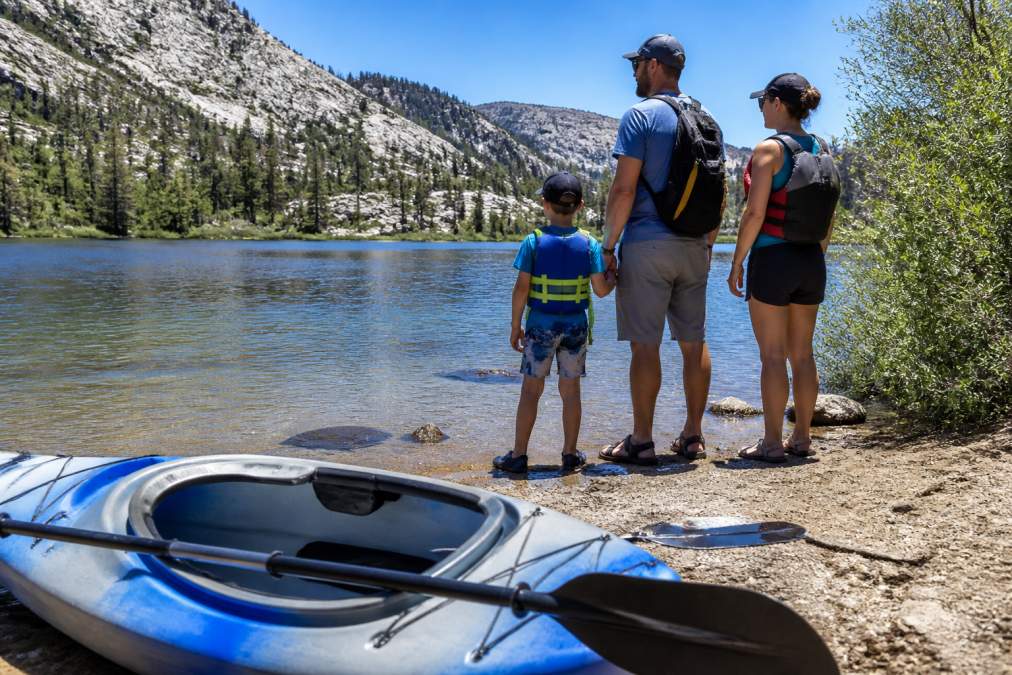
Table of Contents
- Why Families Choose Rafting Alternatives
- Paddle Raft vs Oar Raft for Families: Which Works Best
- Top Rafting Outfitters Beyond OARS
- How to Choose a Rafting Outfitter for Your Family
- Whitewater Rafting Safety for Kids: What Parents Need to Know
- Budget-Friendly and Non-Water Alternatives
- Planning Your Family Trip: Seasonal Timing and Logistics
- Frequently Asked Questions
Last Updated: September 4, 2026
Why Families Choose Rafting Alternatives
Not every family wants to book an oars rafting alternative for families trip. Some have legitimate concerns about water safety for younger kids. Others face budget constraints or live in regions where multi-day river expeditions aren’t practical. The reasons families explore alternatives to traditional rafting are as varied as the families themselves.
Weather dependency creates real obstacles. American Whitewater’s seasonal water levels guide confirms that low temperatures (26 degrees Fahrenheit or lower) can render planned rafting trips impractical, forcing families to pivot to land-based activities near their destination. Physical fitness requirements also matter. Not every 12-year-old swimmer feels confident in moving water, and not every parent wants to spend $500+ per person on an experience their child might fear.
This guide from Sierra Mac explores what families should consider when evaluating rafting alternatives. Whether you’re looking for a less intense water experience, a budget-friendly option, or something entirely different, understanding your choices helps you plan an adventure everyone will actually enjoy.
The best time to book any river trip is mid-to-late summer (July-August), when water temperatures are warmest and conditions favor younger or less experienced participants. This timing applies whether you’re choosing traditional rafting or exploring alternatives.
Paddle Raft vs Oar Raft for Families: Which Works Best
A paddle raft is a boat where passengers actively participate in paddling, using oars to navigate the river. An oar raft (or dory) relies on a professional guide controlling large oars while passengers sit back and experience the ride. For families, the distinction matters significantly.
Paddle rafts demand physical engagement from everyone aboard. Kids aged 12 and up can typically handle paddling on Class I-III rapids, making them feel part of the adventure. The downside: fatigue sets in quickly, and nervous swimmers may panic if they lose grip during turbulent sections. Oar rafts eliminate this concern. Professional guides manage all technical navigation while families relax and enjoy the scenery.
According to NRS guidance on oar management and river navigation, effective oar control is critical for guide efficiency and guest safety, particularly on rivers like the Rogue. This expertise becomes especially valuable when traveling with children who lack river experience. Oar rafts also offer stability advantages on rougher water, the guide’s weight and positioning create a more predictable ride.
For families with mixed swimming abilities or younger teens, oar rafts typically provide better peace of mind. Paddle rafts work best for athletic families who want active participation and aren’t intimidated by rapids. Neither choice is inherently “better”, it depends on your family’s comfort level and what kind of experience you’re seeking.
Oar rafts suit families prioritizing safety and relaxation; paddle rafts suit families who want active participation and have stronger swimming skills.
Top Rafting Outfitters Beyond OARS
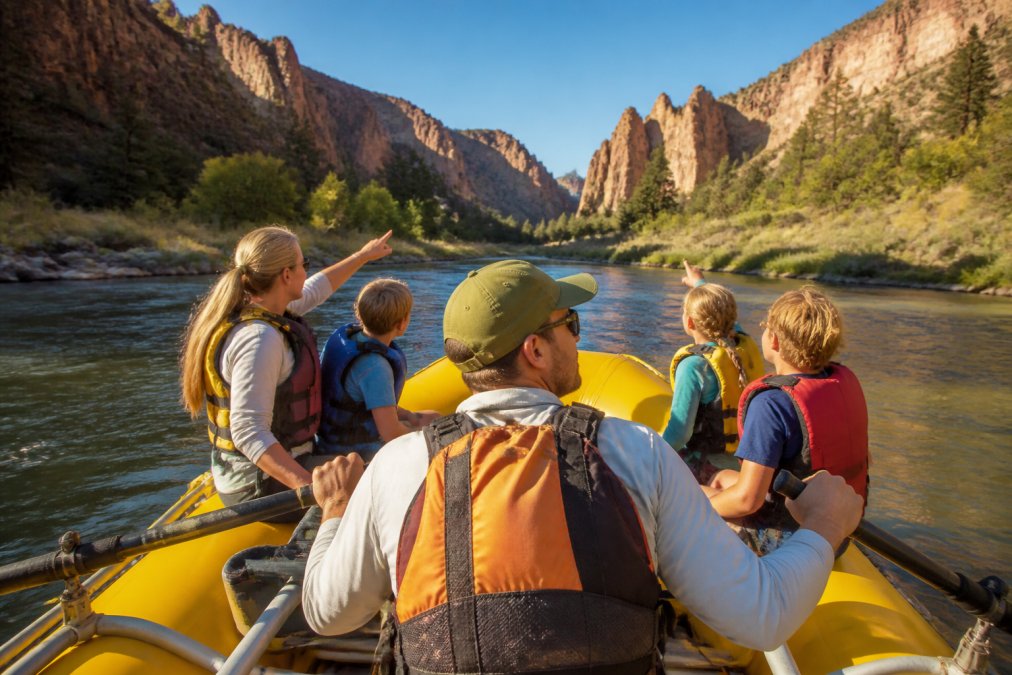
Several established outfitters offer family-friendly rafting alternatives to OARS, each with distinct strengths. Sierra Mac leads this category. Founded in 1965 as a family-owned pioneer, Sierra Mac was the first outfitter to guide on the Merced and Tuolumne Rivers and remains a leader in Class V commercial rafting on Cherry Creek. Located just 15 miles outside Yosemite’s northwest entrance, Sierra Mac combines expert guidance with access to diverse river trips ranging from mild half-day floats to intense multi-day expeditions. Professional, local guides ensure families escape the crowds while experiencing one of the world’s most iconic natural settings.
Sierra Mac: Expert-Led Trips Near Yosemite
Sierra Mac’s positioning near Yosemite gives families unmatched access to premier river corridors without the park’s visitor congestion. The company’s deep local expertise means guides understand water conditions, seasonal timing, and family dynamics. Half-day trips suit families testing the waters; multi-day expeditions appeal to experienced adventurers.
MT Sobek: Premium Multi-Day Expeditions
MT Sobek specializes in high-end, multi-day guided rafting expeditions across iconic American rivers including the Salmon, Rogue, and Green River. The company handles comprehensive logistics, camping gear, meal preparation, and professional guide standards, eliminating setup stress for families. This approach works best for families seeking immersive wilderness experiences with full-service support, though pricing reflects the premium nature of these offerings.
Royal Gorge Rafting: Resort-Style River Experiences
Royal Gorge Rafting provides a hybrid approach: river adventure combined with on-site amenities including lodging and dining. Customizable trip difficulty levels accommodate various family age groups, and safety-focused instruction helps novice rafters build confidence. This option suits families wanting a comprehensive vacation where rafting is one component of a larger resort experience rather than the entire focus.
ACE Adventure Resort: All-in-One Family Vacation
ACE Adventure Resort accepts children as young as 6 for guided whitewater rafting trips, making it the most inclusive option for families with younger kids. The integrated resort experience includes cabin rentals, water park access, and multiple activity options. ACE pricing starts at $55 for youth and $100 for adults, making it budget-conscious compared to multi-day expeditions. The trade-off: peak season crowds and a more commercialized atmosphere than smaller outfitters.
Arizona Raft Adventures: Specialized Grand Canyon Trips
Arizona Raft Adventures focuses exclusively on Grand Canyon river expeditions, offering multiple trip styles, Classic, Motor, and All-Paddle options, to help families select the right intensity. The company’s educational focus on geology and canyon history appeals to families seeking deeper learning alongside adventure. Specialized knowledge of this specific river corridor is the primary advantage; geographic limitation is the main drawback.
How to Choose a Rafting Outfitter for Your Family
Selecting the right outfitter determines whether your family has a transformative experience or a stressful one. Start by assessing your family’s actual comfort level with water. Parents often overestimate their children’s readiness for whitewater conditions. Honest conversations about swimming ability, anxiety responses, and physical fitness prevent booking regrets.
Next, evaluate trip duration and intensity. Half-day floats suit families testing the waters for the first time. Multi-day expeditions demand stamina and commitment but create bonding opportunities. Class I-II rapids feel gentle; Class III-IV introduce genuine technical challenge; Class V demands expert skill and carries real risk.
Location and logistics matter more than many families realize. A nearby outfitter with established infrastructure beats a distant “dream trip” that requires extensive travel. Check whether the outfitter provides transportation, handles gear setup, and manages meals. These details either simplify planning or create logistical nightmares. natural bug repellent.
Finally, examine guide qualifications and company philosophy. Guides who’ve worked with hundreds of families understand child psychology and safety better than guides focused primarily on thrill-seekers. Read reviews specifically mentioning family experiences, not just overall ratings. A five-star review from another family with similar-aged kids carries more weight than generic praise.
Whitewater Rafting Safety for Kids: What Parents Need to Know
Water safety transcends outfitter choice. Every child on a river should wear a properly fitted life jacket, non-negotiable. The Coast Guard’s standards for life jackets aren’t optional guidelines; they’re evidence-based safety equipment. Beyond jackets, understand that river water moves with force that defies casual swimming experience.
Kids aged 12-14 with decent swimming ability can typically handle Class I-III rapids under professional guidance. Younger children or weaker swimmers should stick to Class I sections. River temperature matters more than air temperature; cold water causes rapid fatigue and shock responses even in strong swimmers. Sierra Mac’s seasonal timing recommendations for family trips emphasize that mid-to-late summer conditions provide the warmest water and safest conditions for younger or less experienced participants.
Sun protection gets overlooked but causes real suffering. Eight hours of reflection off water intensifies UV exposure dramatically. Pack high-SPF sunscreen, reapply every two hours, and consider rash guards for kids who burn easily. Dehydration sneaks up quickly; water intake should exceed what kids think they need.
Brief your children beforehand about what to expect: water sounds, boat movement, and guide commands. Children who understand the plan feel less frightened when it happens. Establish a clear signal system, raised hand means “I’m scared, slow down”, so guides can adjust immediately.
Cold water immersion causes panic responses even in strong swimmers. Children showing signs of distress (rapid breathing, confusion, inability to follow commands) need immediate guide intervention. Never assume a child will “toughen up” in cold conditions, this is how accidents happen.
Budget-Friendly and Non-Water Alternatives
Not every family wants to spend $300-500 per person on a multi-day rafting expedition. Budget-conscious families have legitimate options worth considering.
Half-day local rafting trips cost substantially less than multi-day expeditions and deliver similar excitement for families new to whitewater. Many outfitters offer discounted rates for groups of 8+ people, making family reunions surprisingly affordable. Off-season trips (April-May or September-October) often feature reduced pricing compared to peak summer months.
Non-water alternatives deserve serious consideration, especially for families with younger kids or water anxiety. Hiking in canyon areas provides similar scenery without water-safety concerns. Rock climbing gyms and outdoor climbing sites offer challenge and adventure. Mountain biking trails range from beginner-friendly to expert-only, letting families choose appropriate difficulty. Horseback riding combines outdoor immersion with cultural experiences, particularly in areas with dude ranch operations.
Camping with structured activities, guided nature walks, ranger programs, stargazing, delivers outdoor connection without requiring specialized equipment or skills. Many national parks offer free or low-cost educational programs that rival paid adventure tours for engagement and learning.
The key distinction: water-based alternatives (kayaking, paddleboarding, scenic floating) sit between rafting and land activities, offering water engagement without technical whitewater navigation. These suit families wanting water exposure without rapids intensity.
Planning Your Family Trip: Seasonal Timing and Logistics
Timing determines whether your trip succeeds or becomes a cautionary tale. American Whitewater’s 2026 seasonal operational window confirms that the whitewater rafting season runs mid-March through October, but this broad window masks critical variations. March-May features high water flows from snowmelt, exciting for experienced rafters but overwhelming for families. June water temperatures remain cold; kids shiver despite air temperature reaching 75°F.
July-August represents the optimal window for families. Water temperatures reach 60-70°F, making immersion survivable. Snowpack levels stabilize, creating consistent but manageable flows. Air temperatures exceed 80°F, reducing hypothermia risk. This timing aligns with school schedules, though it also means peak crowds and premium pricing.
September-October offers a sweet spot: warmer water than spring, fewer crowds than summer, and still-stable flows. Weather becomes less predictable, but conditions often favor families. November-February is off-season for most outfitters, though some offer winter trips in warmer regions.
Logistics planning prevents day-of disasters. Confirm transportation arrangements weeks ahead. Verify that all family members have proper documentation if traveling to out-of-state rivers. Pack sun protection, extra clothes, and medications in waterproof containers. Arrange childcare for younger siblings if they’re not joining the trip. Communicate dietary restrictions to outfitters well in advance.
Most outfitters provide detailed packing lists; follow them precisely rather than improvising. Families who ignore guidance about footwear, layering, or gear inevitably regret it mid-trip.
Families with children aged 12-16 seeking a premier multi-day wilderness experience with expert guidance and diverse river options near Yosemite.
Planning a family river adventure requires honest assessment of what your family actually wants versus what sounds impressive on Instagram. OARS rafting alternatives span the spectrum from budget half-day floats to premium multi-day expeditions with full-service logistics. Sierra Mac delivers unmatched expertise and access to premier river corridors near Yosemite, combining 60+ years of family-owned experience with diverse trip options suitable for first-timers through expert paddlers. Whether you choose traditional rafting, explore non-water alternatives, or opt for a hybrid resort experience depends on your family’s comfort level, budget, and what kind of adventure creates lasting memories rather than regrets. Start by identifying your actual constraints, not what you think you should want, and match that to an outfitter whose philosophy and offerings align with your family’s needs. The best trip is the one your family actually enjoys, not the one that looks best in photos.
Frequently Asked Questions
Are Class 4 rapids safe for children?
Class 4 rapids are generally not recommended for young children. Most family-friendly outfitters limit Class 4 trips to teenagers aged 14 and up with prior rafting experience. Class I-III rapids are standard for families with children aged 12 and up. Always verify age requirements and skill prerequisites with your outfitter before booking. Professional guides assess water conditions and adjust trip difficulty based on seasonal water levels and your group’s experience.
What are the key differences between paddle rafts and oar rafts for families?
Paddle rafts require all passengers to actively paddle, offering more engagement and physical activity but demanding coordination and strength from every participant. Oar rafts are guided by a single professional rower, allowing passengers to relax and enjoy the scenery while the guide navigates rapids. For families with younger or less athletic members, oar rafts provide better stability and require less physical effort. Paddle rafts work well for teenagers seeking active participation and bonding. Oar-rigged rafts are ideal for mixed-age groups or those prioritizing comfort over exertion.
How do I choose a family-friendly rafting outfitter?
Look for outfitters with established safety records, professional guides with river-specific expertise, and clear age and skill requirements. Check customer reviews on TripAdvisor and Google for real family feedback. Verify that the outfitter offers trip options matching your children’s ages and swimming ability. Ask about guide training, emergency preparedness, and what gear is provided. Outfitters located near major river corridors with diverse trip options, like those offering Class I-III sections, are better equipped to accommodate families than specialists in extreme whitewater.
What age is appropriate for a first-time family rafting trip?
Most professional outfitters welcome children aged 12 and up for Class I-III family trips. Younger children (ages 6-11) can participate on calm, scenic floats with minimal rapids. Swimming ability matters more than age; non-swimmers should wear properly fitted life jackets and feel comfortable in water. Mid-to-late summer (July-August) offers warmer water temperatures, making it more comfortable for younger participants. Always confirm your child’s swimming level with the outfitter when booking to ensure they match you with appropriate river sections.