
How to Pack for a Family Rafting Trip Without Forgetting Essentials
Quick Summary
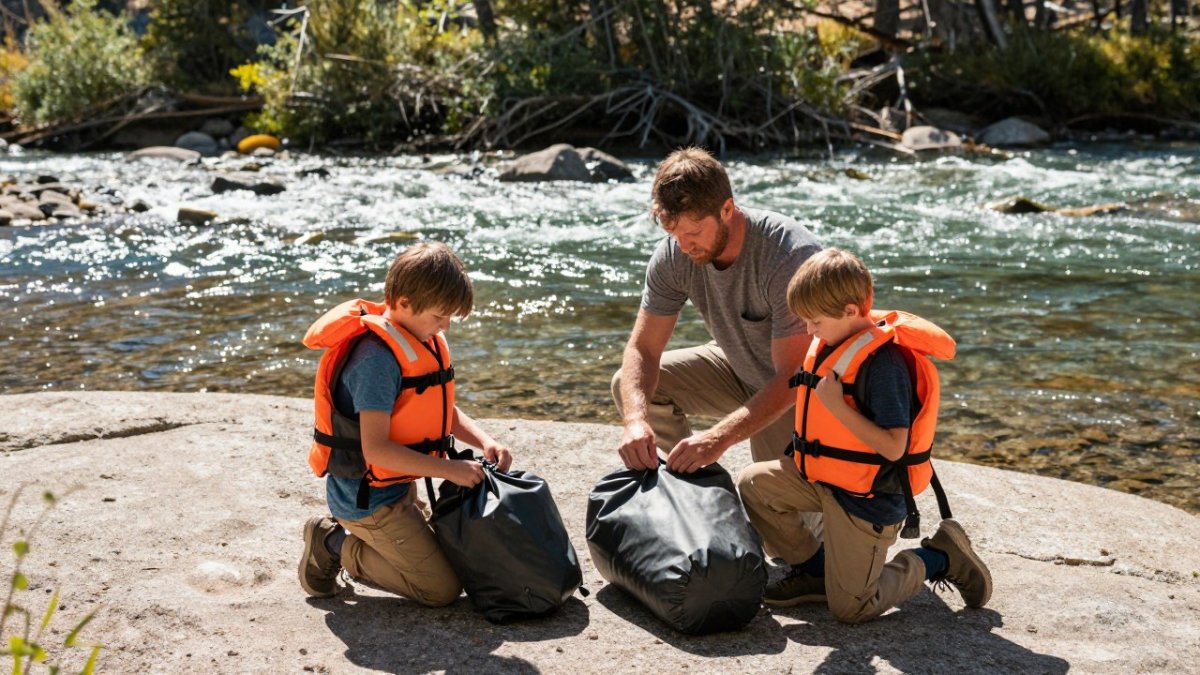
A family rafting trip needs quick-dry clothing, secure river sandals, sun protection, plenty of water, and a sealed dry change of clothes for the ride home. Avoid cotton and loose footwear, and pack a fleece or thermal layer even in summer. Confirm with your outfitter which gear they provide before you pack.
- Wear quick-dry nylon or polyester, because cotton soaks up water and stays cold for hours.
- Choose secure river sandals with a heel strap or river booties, since flip-flops slip off in rapids.
- Bring at least 1 liter of water per person per day, and 2 liters for a full day.
- Seal a dry change of clothes in a dry bag for the ride home.
- Pack a fleece or thermal layer for cool mornings and evenings, even in summer.
Table of Contents
- What Your Family Needs to Know Before You Pack
- Rafting Trip Packing List for Families Printable Checklist
- What to Wear on the River: Quick-Dry Layers, Swimwear, and River Shoes
- What to Pack for Whitewater Rafting With Kids, by Age and Role
- Day Trip Versus Overnight Rafting Packing List
- What Not to Wear Whitewater Rafting and Why It Matters
- Booking Your Family Trip and Preparing Your Kids
- Frequently Asked Questions
What Your Family Needs to Know Before You Pack
Last Updated: November 26, 2026
Packing for a family rafting trip is different from packing for a day at the beach. Whitewater rapids are wet, cold, and loud, and everything you bring needs to handle water. Families heading down the Tuolumne, Merced, and Cherry Creek rivers near Yosemite tend to make the same packing mistakes again and again.
Start by asking two questions before you plan your family rafting trip: how long is your trip, and what does your outfitter provide? A half-day float needs far less gear than a multi-day expedition with camping. Many families overpack the clothes they never wear and underpack the items that keep them warm and dry.
Expect wet clothes for most of the trip. Splashes add up quickly, even on mild water. Pack items that dry fast, and keep a dry set of clothes sealed away for the ride home.
Rafting Trip Packing List for Families Printable Checklist
Use this family checklist to build your bag. Print it, check items off as you pack, and adjust quantities for your crew.
- Quick-dry shorts or pants, one set per person per day
- Quick-dry tops or rash guards, one per person per day
- Swimsuits, one per person (two for multi-day trips)
- Synthetic or wool base layer for cool mornings
- Thermal layer or fleece, one per person
- Secure river sandals or river booties, one pair per person
- Hat with a chin strap, one per person
- Sunglasses with a strap
- Sunscreen, reef-safe if possible, plus lip balm with SPF
- Water bottles, at least 1 liter per person per day
- Snacks that hold up to heat and moisture
- Plastic bag or dry bag for wet clothing
- Dry change of clothes sealed in a dry bag
- Toiletries in small travel bottles
- Quick-dry towel, one per person
- Small first-aid kit with children’s medicine
- Waterproof phone case or dry pouch
- Camp slippers for after the river
Adjust quantities for babies and toddlers. Bring extra diapers in a zip-top bag, a spare outfit for each child, and a plan for naps and feeding breaks.
What to Wear on the River: Quick-Dry Layers, Swimwear, and River Shoes
The right clothing keeps your family comfortable when they get wet. Cotton is the main thing to avoid. It soaks up water, stays cold, and takes hours to dry.
Choose these fabrics:
- Nylon or polyester shorts and pants
- Synthetic or merino wool base layers
- Quick-dry rash guards for sun and scrapes
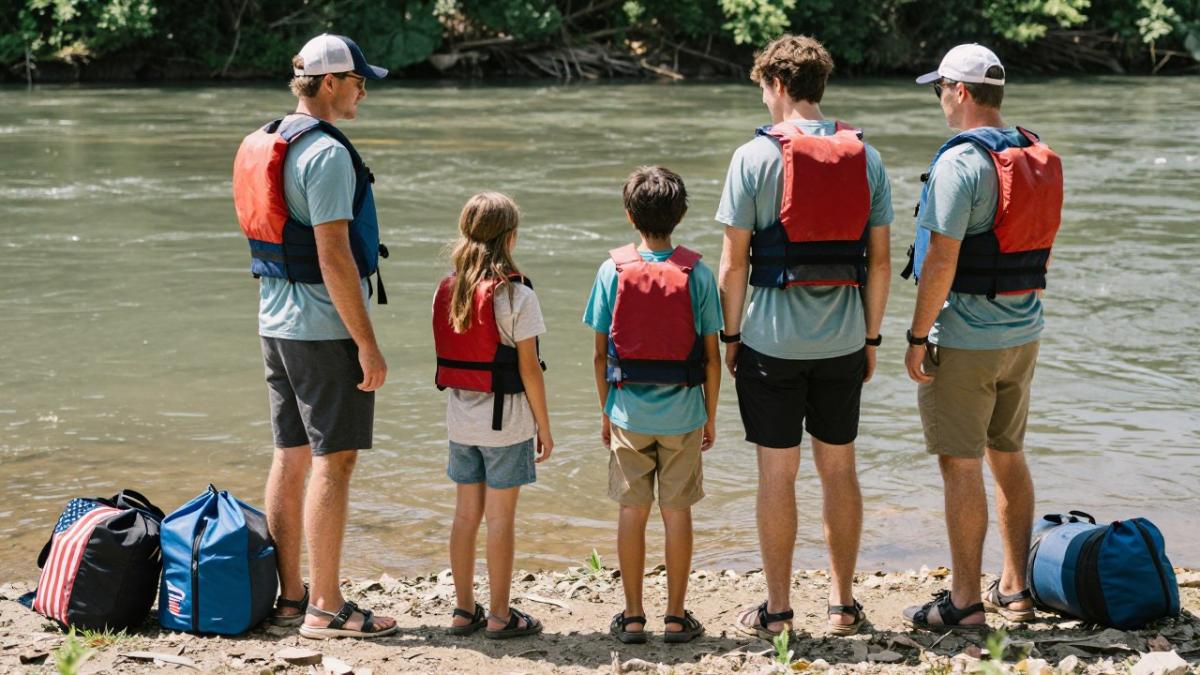
Footwear matters most. Flip-flops and loose sandals slip off in rapids. Bring secure river sandals with a heel strap or river booties that stay on.
Sun protection is part of your outfit. A hat with a chin strap and polarized sunglasses with a strap keep gear on your head and face when the boat bounces.
Watch out: a waterproof jacket is not the same as a warm layer. Pack a fleece or thermal top for cool mornings and evenings, even in summer.
What to Pack for Whitewater Rafting With Kids, by Age and Role
A single family packing list hides the fact that a 4-year-old, a 13-year-old, and the adult steering the boat need different gear. Build one bag per person, then add a shared family bag.
Babies and toddlers (roughly under 3). Confirm age and weight minimums with your outfitter before you book, because many rivers have hard cutoffs and some stretches are not appropriate for very young children. Our age and weight requirements guide explains what to know before you decide what gear to bring. Pack:
- Diapers and wipes for the full day plus one extra change, sealed in a zip-top bag; pack a second empty bag for used diapers
- Two full spare outfits in a dry bag, plus a brimmed hat and baby-specific sunscreen
- A soft carrier or front pack for the shuttle and staging area, and a small blanket for naps
- Bottles, formula or pumped milk, and a spill-proof cup; bring more than you think you need because feeding breaks on the river are less flexible than at home
Young children (roughly 4 to 8). These kids get wet fastest and cool down quickest, so layers matter more than toys. Pack:
- Two quick-dry tops and two bottoms, plus one fleece or thermal layer even in summer
- One dry change of clothes sealed in a dry bag, and a small quick-dry towel
- A labeled water bottle they can open themselves, and snacks in a hard-sided container so they survive a splash
- A hat with a chin strap and sunglasses with a strap; expect to replace lost sunglasses at least once
Tweens and teens (roughly 9 to 17). Most can handle the adult list, but give them ownership so they pack it:
- Their own quick-dry outfit per day, river sandals with a heel strap, and a dry change of clothes
- A small dry pouch for a phone or action camera, and their own sunscreen and lip balm
- A water bottle and snacks they chose, which cuts down on mid-river complaints
Label everything. Write each child’s name on their water bottle, hat, sandals, and dry bag with a permanent marker. Kids can then keep track of their own gear, and lost items find their way back at the takeout.
Watch out: a child who is cold and wet will not tell you until they are miserable. Pack the spare fleece and dry layer even when the forecast is hot, and check in with younger kids at every calm stretch.
Day Trip Versus Overnight Rafting Packing List
Trip length, season, and water temperature change the list more than anything else. Use the quantities below as a starting point, then adjust for your crew and the forecast.
Day trips (half day to one full day). Keep it simple and pack light:
- Two quick-dry outfits per person, plus one dry change of clothes sealed in a dry bag for the ride home
- One pair of secure river sandals or river booties per person, worn rather than packed
- At least 1 liter of water per person for a half day and 2 liters per person for a full day
- Sunscreen, lip balm with SPF, a hat with a chin strap, and sunglasses with a strap for each person
- Snacks that hold up to heat and moisture, plus a small first-aid kit with children’s medicine
- One dry bag for valuables and one plastic bag for wet clothing
Overnight and multi-day trips. Add camping gear and a clothing buffer:
- One quick-dry outfit per person per day, plus one dry set reserved for sleeping and one extra set in case of a soaking
- A warm sleeping bag and sleeping pad per person, rated for the coldest night you expect
- A tent and tarp unless your outfitter provides them, plus a camp towel and camp slippers for after the river
- Extra toiletries, a larger first-aid kit, and a headlamp with spare batteries per person
- Extra snacks and water for each day on the river, plus a way to treat or refill water if your outfitter does not supply it
What the outfitter usually provides versus what families bring. Confirm with your outfitter which gear is provided and which you should bring, such as clothing, footwear, sun protection, personal toiletries, medications, and snacks.
Watch out: families routinely overpack clothes they never wear and underpack the warm layer and dry change they desperately want at the takeout. Our best dry bags for whitewater rafting guide helps you choose the right ones to keep gear dry.
The table below compares what a day trip and an overnight trip each need, using the quantities the article gives.
| Item | Day trip | Overnight or multi-day trip |
|---|---|---|
| Quick-dry outfits per person | Two | One per day, plus one dry set for sleeping and one spare |
| Water per person | 1 liter (half day), 2 liters (full day) | Extra water and snacks for each day on the river |
| Sleeping gear | Not needed | Warm sleeping bag and sleeping pad rated for the coldest night |
| Dry change of clothes | Sealed in a dry bag for the ride home | Dry set reserved for sleeping |
| First-aid kit | Small kit with children’s medicine | Larger first-aid kit |
| Lighting | Not mentioned | Headlamp with spare batteries per person |
What Not to Wear Whitewater Rafting and Why It Matters
Some clothes can make your trip miserable or even unsafe.
- Cotton jeans and sweatshirts: These soak up water and stay cold for hours.
- Flip-flops and loose sandals: They can fall off in rapids and leave you barefoot on rocks.
- Jewelry and loose accessories: Rings, necklaces, and dangling earrings can catch on gear or get lost.
- Heavy or bulky layers: They hold water and make it harder to swim if you go in.
- Clothes you love most: Save them for dry days. Rafting is a good time to wear older gear.
If you go in the water, a snug quick-dry layer and secure footwear make a big difference.
Booking Your Family Trip and Preparing Your Kids
Once your gear list is set, it’s time to book. Compare trip options on our Yosemite rafting trips page to find the right river and length for your family. Our book a multi-day river rafting trip guide walks you through choosing a date, selecting a trip, and planning ahead.
Talk with your kids before the trip. Explain what the rapids will feel like, where they will sit, and what to do if they fall in. Practice wearing life jackets and helmets at home so they feel comfortable on the day.
Confirm your packing list with the outfitter a few days before you leave. Ask about age and weight rules, what gear is supplied, and what time you need to arrive. Being prepared means more time enjoying the river and less time worrying about what you forgot.
Frequently Asked Questions
What should you pack for a family rafting trip?
Pack quick-dry clothing and swimwear, secure river shoes or sandals, a hat and sunscreen, a refillable water bottle, and a dry bag for a change of clothes, a towel, and snacks. Ask your guide which items the outfitter provides, so families only bring personal gear. Pack a separate dry bag for anything you want to keep dry in the car afterward, and plan extra layers for cool mornings or cold water.
What should kids wear for whitewater rafting?
Kids should wear quick-dry shorts or swimsuits with a fitted quick-dry top, avoiding cotton because it stays wet and cold. Secure river sandals or booties with a heel strap are safer than flip-flops. Bring a rash guard or thin long-sleeve layer for sun protection and a spare dry set of clothes in a sealed bag for the drive home. Sunglasses with a strap and a hat with a chin cord help keep gear on the water.
What should you not wear when whitewater rafting?
Avoid cotton clothing, jeans, flip-flops, loose jewelry, and anything with long straps or loose parts that could catch. Cotton holds water and gets heavy and cold, while jeans are slow to dry. Leave expensive watches and rings at home, and do not wear open-toed shoes. Quick-dry synthetic layers, a secure-fitting swimsuit, and river shoes with a heel strap are the safer choices for a river trip.
Do rafting outfitters provide life jackets and helmets?
Most commercial outfitters provide a personal flotation device and any required helmets as part of the trip. Families typically bring their own quick-dry clothing, river shoes, sun protection, water bottles, and dry bags for personal items. Confirm the details when booking, especially for children, since fit and sizing for kids’ life jackets should be checked before launch.