
Best Rivers for Class IV Rafting in the United States
Quick Summary
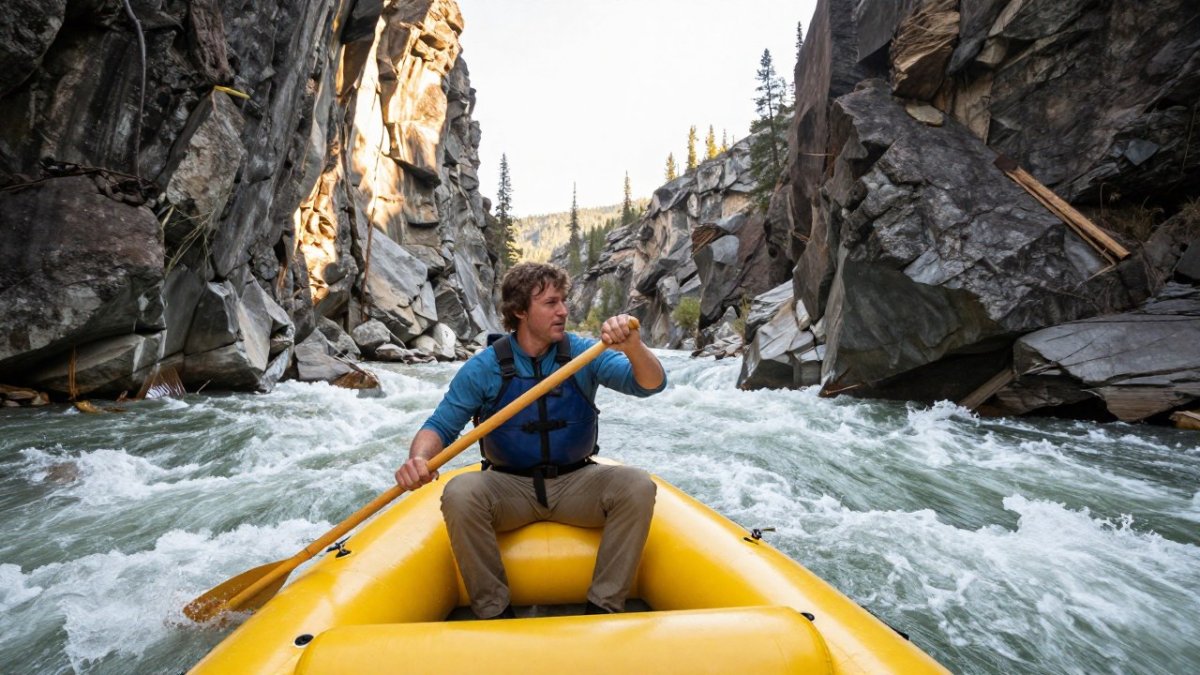
The best rivers for class iv rafting in the United States include the Tuolumne in California, the Lochsa in Idaho, and the Gauley in West Virginia. Class IV whitewater has powerful, irregular waves and tight passages, so each river suits experienced paddlers with guided support.
- Tuolumne River runs near Yosemite, where Sierra Mac operates guided trips.
- Lochsa River offers remote wilderness character, though access takes longer to plan.
- Gauley River has powerful rapids, but release schedules limit when it can be run.
- Check current flows and release schedules before planning any trip, since conditions change yearly.
- Most guided Class IV trips require baseline swimming ability and comfort in cold water.
Table of Contents
What Class IV Whitewater Means on a River
Class IV whitewater is intense, technical, and demanding. Readers who want hands-on practice first can learn to row Class IV whitewater with expert instruction and a safety focus before booking a trip. For most rafters, it marks the line between recreational paddling and serious river running. Rapids at this level have powerful, irregular waves, tight passages, and hazards such as boulders or sieves that require precise maneuvering.
Choosing the right river matters as much as the rapid rating itself. A Class IV run on one river can feel very different from a Class IV run on another, depending on flow, gradient, and rapid spacing. The sections below explain how we compare rivers and which ones stand out across the United States.
How to Compare Class IV Rivers: Our Selection Criteria
Rapid class alone does not tell the whole story. We compare rivers on several factors that shape the experience:
- Rapid character: Are the rapids continuous, or are there calm stretches between them?
- Flow and season: Water levels change with snowmelt and rainfall, which changes the difficulty.
- Trip length: Day trips and multi-day expeditions suit different groups and skill levels.
- Access and logistics: Remote put-ins and long shuttles add time and planning.
- Guiding and safety: Professional guides, equipment, and river knowledge affect both safety and enjoyment.
Using these criteria helps match a river to the rafter’s experience and goals.
Top Class IV Rivers for Rafting Across the United States
Several rivers consistently appear in discussions of Class IV rafting.
Tuolumne River, California: Yosemite Area Class IV Runs
The Tuolumne River runs near Yosemite National Park, where Sierra Mac operates guided trips.
Pros: Dramatic scenery, expert local guides, and a short drive from Yosemite.
Cons: Flows depend heavily on season, so timing matters. Trips are not suited to beginners.
Lochsa River, Idaho and Gauley River, West Virginia
Lochsa pros: Remote setting and strong wilderness character.
Lochsa cons: Access is remote and planning takes longer.
Gauley pros: Famous, powerful rapids and a strong reputation among experienced rafters.
Gauley cons: Release schedules limit when it can be run, and the rapids are demanding.
River Comparison Table: Difficulty, Season, Flow and Trip Length
| River | Rapid Class | Best Season | Flow Notes | Trip Length |
|---|---|---|---|---|
| Tuolumne (CA) | Class IV | Spring to early summer | Varies with snowmelt | Day trip |
| Lochsa (ID) | Class III to IV | Spring to early summer | Varies with snowmelt | Day trip |
| Gauley (WV) | Class IV to V | Fall release season | Dam-controlled releases | Day trip |
| Arkansas (CO) | Class IV to V | Late spring to summer | Snowmelt-driven | Day trip |
Check current flows and release schedules before planning any trip, since conditions change from year to year.
Class IV Rafting Safety: What Guides Manage on the Water
Professional guides manage risk through experience, equipment, and clear communication. On a Class IV run, the guide reads the river, positions the raft for each rapid, and calls commands that the crew follows without hesitation.
Rafters who listen closely and paddle when told help the crew stay in control on the water.
Preparing for a Class IV Rafting Trip: Skills, Gear and Logistics
Most guided Class IV trips require some baseline swimming ability and comfort in cold water. Build fitness and paddling confidence before booking, and dress for the water temperature rather than the air temperature.
Before you go, read how to prepare for a Class IV rafting trip for guidance on gear, fitness, and staying safe on intense rapids. Riders wanting a closer look at the Tuolumne can also review Tuolumne River rapid classes, which break down each section’s difficulty.
Pricing depends on quantity, dates, and delivery, so check Sierra Mac’s website for current rates or a quote. Age and weight limits for Class IV runs are covered in detail in Class IV rafting age and weight limits.
Booking Your Class IV Trip With Sierra Mac
Sierra Mac is a family-owned outfitter that has operated since 1965 and sits about 15 miles from Yosemite’s northwest entrance. Guests choosing between day trips and multi-day expeditions can use the multi-day river rafting trip booking guide to plan the process, from selecting an outfitter to knowing what to expect.
Ready to paddle? Visit sierramac.com to explore trip options and request a quote.
Frequently Asked Questions
How difficult are Class IV rapids?
Class IV rapids are intense, long and powerful, with big waves, hydraulics and obstacles that demand precise maneuvering. On the American Whitewater scale they sit just below Class V, so paddlers need solid strokes and the ability to recover quickly. Most commercial Class IV trips are run by guides who read the water ahead and direct each boat through the hardest sections. Check the river’s current flow before booking, since higher water can push a Class IV run toward more demanding conditions.
Is Class IV whitewater rafting safe for teenagers?
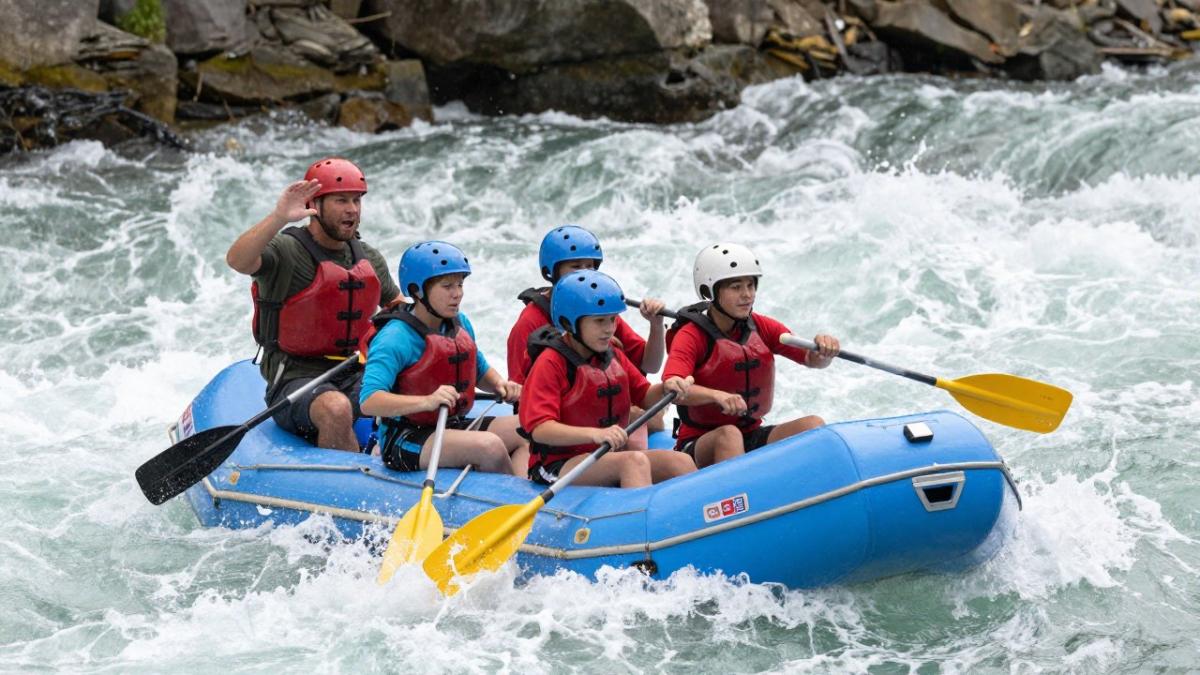
Class IV whitewater rafting can be safe for teenagers when they are confident swimmers, follow guide instructions and go with a commercial outfitter. Guides brief every trip on safety, paddling commands and what to do if someone falls out of the raft. Families should ask about age requirements and the guide-to-guest ratio before booking so they know what to expect.
What experience do you need for Class IV rafting?
Most outfitters recommend some previous whitewater experience before booking a Class IV trip, usually a Class III run or a comparable day on the river. Being a strong swimmer and comfortable in cold, moving water matters more than athletic ability. Guests who are older or less athletic can still join many Class IV trips, but should discuss their goals with the outfitter first. Honest conversations about experience help match you with the right river and trip length.
What should you bring on a Class IV rafting trip?
Plan on wearing a swimsuit or quick-dry clothing under a wetsuit or splash jacket, plus secure water shoes that will not slip off. Bring sunscreen, a dry layer for after the trip and a small bag for personal items that stays in the vehicle. Most outfitters supply helmets, life jackets and paddles, but confirm what is included when you book. Ask your outfitter for a packing list tailored to the river and season you choose.