
How Should You Layer Clothing for River Rafting?
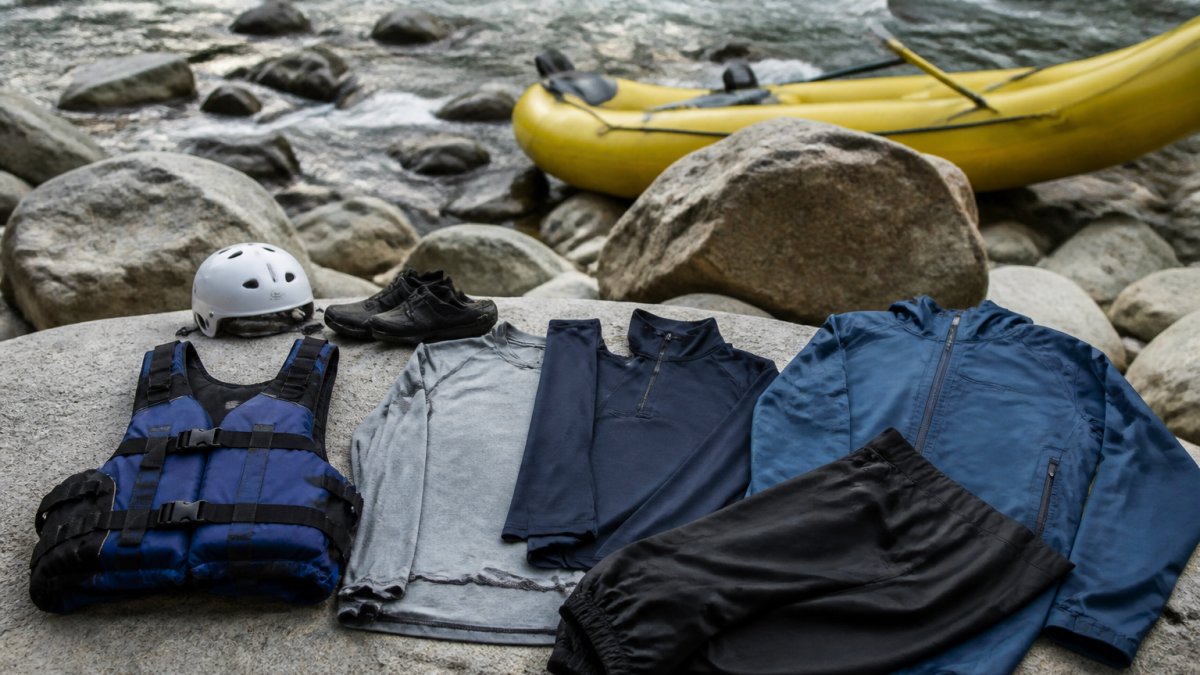
Last Updated: October 27, 2026
Quick Summary
River rafting layering starts with a synthetic base layer such as polyester, nylon, or merino wool, never cotton, because cotton holds water against your skin and chills you. Add a fleece or microfleece mid-layer for warmth, then choose an outer layer based on water temperature: a splash jacket for warm days, or a wetsuit, dry top, or drysuit for cold water.
- Cotton absorbs water and holds it against your skin, so leave it at home.
- Under a wetsuit, wear a thin fitted synthetic layer like a swimsuit or rash guard.
- Fleece and microfleece mid-layers stay warm when damp and dry fast.
- Choose a wetsuit for cold water and a splash jacket for warm days.
- Rinse synthetics in cold water and skip fabric softener to keep them working.
Table of Contents
- Start With a Synthetic Base Layer, Never Cotton
- The Best Base Layer for Rafting: Polyester, Nylon, or Merino Wool
- What to Wear Under a Wetsuit for Rafting
- Add a Mid-Layer for Warmth: Fleece, Microfleece, or Wool
- Wetsuit vs Splash Jacket for Rafting: Which Outer Layer?
- Layer by Water and Air Temperature: A Decision Guide
- Whitewater Rafting Clothing Checklist: Pack, Fit, and Care
- Book Your Sierra Mac Trip With the Right Layers Ready
- Frequently Asked Questions
Start With a Synthetic Base Layer, Never Cotton
The rule that matters most in river rafting layering is simple: start with a synthetic base layer and leave cotton at home. Cotton soaks up water and holds it against your skin, which pulls heat away from your body fast. Polyester or nylon next to your skin moves moisture away and dries quickly, so you stay warmer when you get splashed.
Why Cotton Fails on the River
Cotton is a sponge: it absorbs water and holds it against your skin. Once a cotton shirt is wet, it stops insulating you and starts chilling you. On a warm day that might feel fine, but on a cold river with wind and spray it becomes a real problem. Synthetic fabric sheds water and dries fast, so your body keeps its heat, which is why river rafting layering begins with what touches your skin.
The Best Base Layer for Rafting: Polyester, Nylon, or Merino Wool
Polyester and nylon are the best base layers for rafting because they dry fast and stay warm when damp. Merino wool is a strong second option: it insulates even when wet and resists odor, though it costs more and dries slower.
Here is how the main base layer fabrics compare:
| Fabric | Dries Fast | Warm When Wet | Best For |
|---|---|---|---|
| Polyester | Yes | Somewhat | Most trips, budget-friendly |
| Nylon | Yes | Somewhat | Warm weather, quick drying |
| Merino wool | Moderate | Yes | Cold water, multi-day trips |
| Cotton | No | No | Never on the river |
Pick a long-sleeve shirt for sun and splash cover, or a short-sleeve shirt in hot weather. Fitness shorts or synthetic long pants work well on the bottom. Skip anything that holds water.
What to Wear Under a Wetsuit for Rafting
Under a wetsuit, wear a thin synthetic layer: a swimsuit or synthetic shorts and a fitted polyester top. The wetsuit traps a thin layer of water against your skin and warms it with your body heat, so bulky clothing underneath defeats the purpose. A snug base layer keeps the suit comfortable and prevents chafing.
How the Wetsuit Actually Keeps You Warm
A wetsuit does not keep you dry. Neoprene is closed-cell foam that lets a small amount of water in, then holds it against your skin; your body heats that thin film and the neoprene insulates it. The system only works when the water layer is thin and stays put. Anything bulky underneath creates gaps, lets cold water flush through on each splash, and forces your body to reheat a larger volume of water, so the underlayer should be thin and fitted, not fluffy.
The Right Underlayer, Piece by Piece
- Swimsuit or synthetic shorts: thin, quick-drying, no bunching. A one-piece swimsuit works well for women because it will not shift under the suit. Board shorts are fine if they are smooth and not baggy.
- Fitted synthetic top: a polyester or nylon base layer adds a little warmth without bulk. A rash guard is a good choice because it is smooth against neoprene and reduces chafing at the neck, shoulders, and underarms.
- No cotton: it traps cold water against your skin and stays wet long after the wetsuit has warmed up.
Fit, Chafing, and PFD Interference
A wetsuit should feel snug but not restrictive. Before you launch, reach forward as if paddling, rotate your torso, and squat; if the suit pulls at the shoulders or binds at the hips, size up. Chafing usually starts where seams rub, so a thin rash guard at the neck and shoulders is worth the extra layer. Keep the underlayer free of zippers, buttons, or bulky seams that press into your skin under a personal flotation device (PFD), any lump underneath becomes a pressure point after an hour of paddling.
Bring a plastic bag to help pull the wetsuit over your feet and ankles. It slides over neoprene and reduces the tugging that stretches seams.
When to Skip the Wetsuit Underlayer
On hot days with warm water, many rafters wear only a swimsuit under the wetsuit, or skip the wetsuit and wear a splash jacket over a synthetic base layer. The goal is always the same: a smooth, thin layer that lets the wetsuit do its job.
Add a Mid-Layer for Warmth: Fleece, Microfleece, or Wool
A mid-layer traps warmth between your base layer and your outer shell. Fleece and microfleece are the most popular choices because they stay warm when damp and dry fast.
Think of the mid-layer as your adjustable heat. Mastering this dynamic approach to layering for cold weather ensures that you remain comfortable even when transitioning from the river to the stillness of winter fishing.
Wetsuit vs Splash Jacket for Rafting: Which Outer Layer?
Choose a wetsuit for cold water and cold air, and a splash jacket for warmer days when you mainly need wind and spray protection. A wetsuit traps and heats a thin layer of water; a splash jacket is a waterproof shell that blocks wind and splashes without adding much warmth. A dry top offers the most protection for serious cold-water runs.
What Each Outer Layer Actually Does
- Wetsuit: neoprene that traps a thin layer of water and warms it with your body heat. It keeps you warm when wet but does not keep you dry. Best for cold water, fall rafting, and splash-heavy rapids.
- Splash jacket: a thin waterproof shell with a neck and wrist seal. It blocks wind and spray so your mid-layer stays dry, but it adds little warmth on its own. Best for warm weather and light spray.
- Dry top: a waterproof shell with latex or neoprene gaskets at the neck and wrists that keeps water out almost completely. It is worn over insulating layers and is the right call for cold water and big waves.
The Decision Logic: Match the Shell to the Water, Not the Air
Water pulls heat from your body far faster than air does, so water temperature should drive the outer-layer choice more than air temperature. Guides often think in three bands:
- Warm water, warm air: splash jacket over a synthetic base layer, or no shell at all if spray is light.
- Cold water, warm air: wetsuit or dry top. The air feels fine, but a swim or a long splash section will chill you fast without neoprene or a dry seal.
- Cold water, cold air: drysuit over insulating layers, or a wetsuit with a splash jacket on top. This is the fall and early-spring combination.
Neck and Wrist Seals: Comfort vs Protection
Gaskets make a dry top or drysuit work, and they are where fit problems show up. A latex gasket should sit snug without pinching; if it leaves red marks or restricts breathing, it is too tight. Neoprene gaskets are more forgiving and warmer but seal less completely. Trim or size gaskets before you launch: a loose gasket lets water in on every splash, and a tight one can restrict circulation on a cold day.
A dry top or drysuit only keeps you dry if the gaskets seal. Check the neck and wrist gaskets before you put on your PFD, and make sure the PFD does not ride up over the neck seal and break the seal.
Wetsuit, Dry Top, or Drysuit: Quick Comparison
| Outer Layer | Keeps You Dry | Warmth on Its Own | Best Conditions |
|---|---|---|---|
| Splash jacket | No, blocks spray | Low | Warm air, warm water |
| Wetsuit | No, traps water | Moderate | Cold water, warm or cool air |
| Dry top | Mostly | Low, needs layers | Cold water, splash-heavy rapids |
| Drysuit | Yes | Low, needs layers | Cold water and cold air |
Match the outer layer to the conditions, not to habit. A splash jacket on a cold river leaves you underdressed. A wetsuit on a hot day can overheat you. A drysuit without insulating layers underneath is a shell with no warmth, so pair it with a synthetic base layer and a fleece mid-layer on cold days.
Layer by Water and Air Temperature: A Decision Guide
Use water and air temperature together to decide your layers. Cold water pulls heat from your body far faster than cold air, so a warm day over cold water still calls for real protection. This guide takes the guesswork out of river rafting layering.
| Conditions | Base Layer | Mid-Layer | Outer Layer |
|---|---|---|---|
| Warm air, warm water | Synthetic tee and shorts | Optional light fleece | Splash jacket |
| Warm air, cold water | Synthetic long-sleeve | Light fleece | Wetsuit or dry top |
| Cold air, cold water | Synthetic long-sleeve | Fleece or wool | Wetsuit plus splash jacket |
| Fall rafting | Thermal top | Fleece or microfleece | Wetsuit or dry top |
Cold Weather and Fall Rafting
Fall rafting means cold water and cool air, so layer up: a synthetic thermal top, a fleece or microfleece mid-layer, and a wetsuit or dry top, with a warm hat and wool socks handy. To plan around the best conditions, our guide to the best month for white water rafting breaks down what to expect each season. For deeper cold-water gear picks, see our list of essential whitewater rafting gear for cold water.
Warm Weather Rafting
Warm weather rafting calls for lighter layers: a synthetic short-sleeve or long-sleeve shirt and quick-drying shorts cover most days. Add a light splash jacket for wind and spray, and keep a thin fleece in your dry bag for shade or a sudden cool-down. Still avoid cotton, a wet cotton shirt chills you even on a mild day.
Whitewater Rafting Clothing Checklist: Pack, Fit, and Care
A good whitewater rafting clothing checklist keeps you warm, dry, and comfortable from launch to takeout.
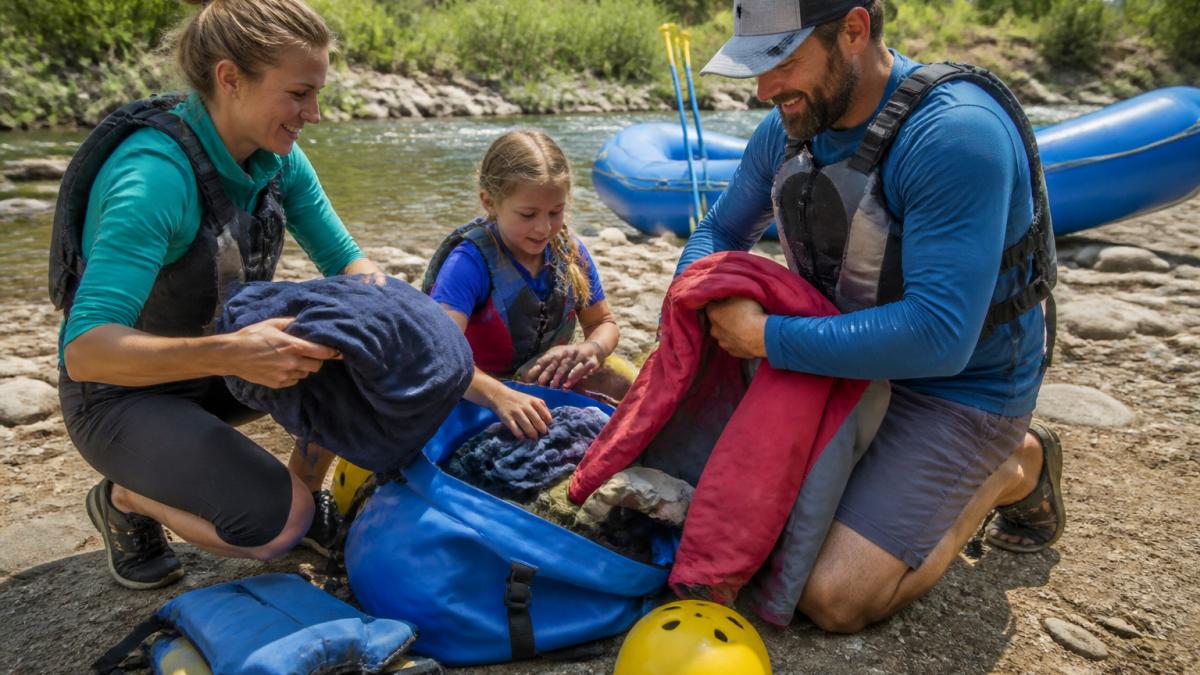
What to bring:
- Synthetic base layer top and bottom
- Fleece or microfleece mid-layer
- Wetsuit or splash jacket as your outer layer
Fit and safety: Clothing should be snug enough not to snag but loose enough to move. For a serious run, our guide on how to prepare for Class V whitewater rafting covers the wider prep beyond clothing.
Care: Rinse synthetics in cold water after each trip and hang them to dry. Skip fabric softener, which coats the fibers and cuts their ability to move moisture.
Book Your Sierra Mac Trip With the Right Layers Ready
Now that you know how to layer, the next step is getting on the water. Sierra Mac has guided rafters on the Tuolumne, Merced, and Cherry Creek rivers since 1965. We offer trips from mild half-day floats to intense Class V runs. If you are still choosing, our guide to choosing a Yosemite rafting trip helps you match a run to your group.
Frequently Asked Questions
What should I wear under a wetsuit for river rafting?
Wear a thin synthetic base layer such as a polyester or nylon rash guard, or a swimsuit, under a wetsuit. Avoid cotton because it holds water and chills you. A snug synthetic layer reduces chafing and helps the wetsuit slide on. In warm weather, a swimsuit alone works under the suit. In cold water, add a lightweight merino wool or polyester top and leggings for extra insulation. Sierra Mac guides can advise what thickness suits the river and season you book.
What is the best base layer for whitewater rafting?
The best base layer for rafting is a quick-drying synthetic fabric like polyester or nylon, or merino wool for cold trips. These fabrics wick moisture and stay warm when damp. Cotton is a poor choice because it soaks up water and loses insulation. Choose a long-sleeve shirt and long pants for sun and splash protection in warm weather, and add a thermal top and leggings in cold conditions. Fit should be snug but not restrictive so you can paddle freely.
Should I wear a wetsuit or a splash jacket for rafting?
Choose a wetsuit when water is cold (below about 65°F) or you expect to get soaked, because it traps a thin layer of water and warms it against your skin. Choose a splash jacket over synthetic layers when water is warmer or splashes are occasional, since it blocks wind and spray without the full-body fit of neoprene. Many rafters combine a wetsuit with a splash jacket in cold, windy conditions. Sierra Mac can tell you what the river typically demands on your trip date.
How many layers should I wear for river rafting?
Most rafters wear two to three layers: a synthetic base layer, an insulating mid-layer such as fleece, and a waterproof or water-resistant outer shell. In warm weather, a base layer plus a splash jacket may be enough. In cold weather, add a wetsuit or drysuit and a warm mid-layer. Bring a dry bag with an extra fleece so you can add or remove layers as air and water temperatures shift through the day.
The river rewards prepared rafters. If you want expert guidance on the water and gear advice you can trust, Sierra Mac is ready to help. Our family-owned team brings decades of local knowledge, professional guides, and trips built for every skill level. Get started with Sierra Mac and book your whitewater adventure today.