
What to Expect on a Class IV River Trip
Quick Summary
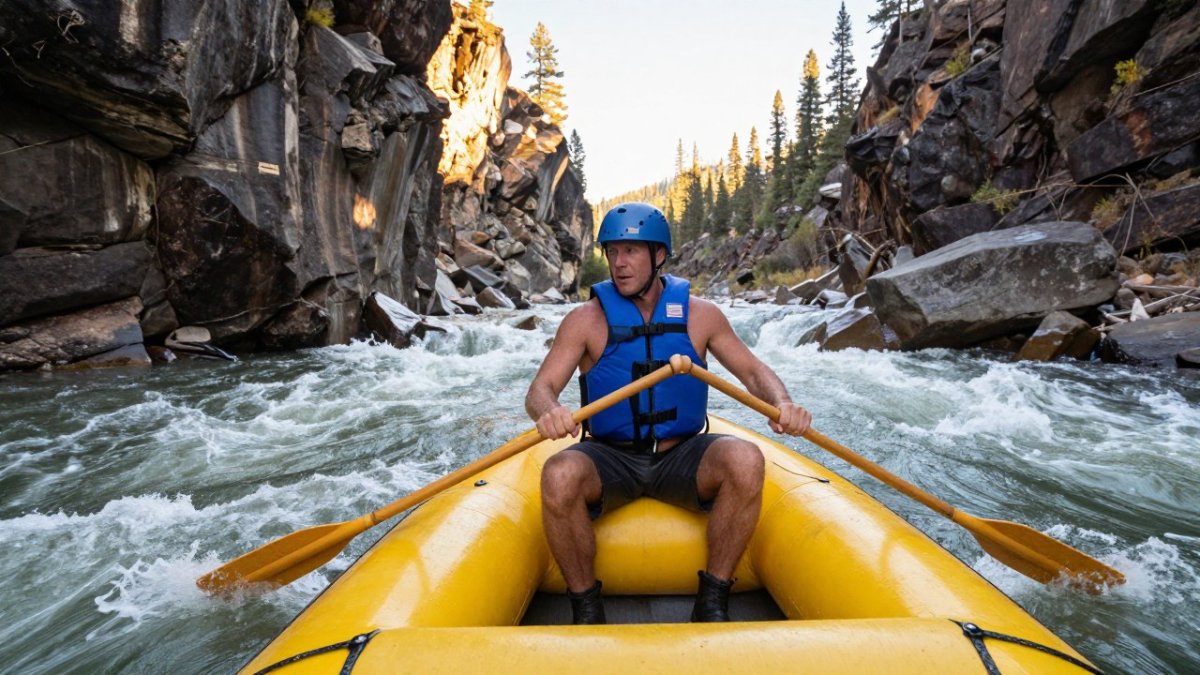
A class iv river trip is intense but usually run safely by guides who manage the water carefully. The rating describes the river’s difficulty, not your personal risk. Expect a safety briefing, fitted gear, large waves, powerful currents, and precise paddling commands throughout the day.
- Class IV is an advanced rating with powerful currents, large unavoidable waves, and steep drops.
- The rating does not reflect your group’s experience, the water level, or your guide’s skill.
- Most first-time rafters are surprised by how much preparation and clear communication matter.
- Arrive on time, bring your ID and waivers, and disclose any medical conditions at check-in.
- Wear quick-dry layers and neoprene booties, and leave cotton at home because it holds water.
Table of Contents
Are Class 4 Rapids Dangerous? What the Rating Really Means
Class IV rapids are intense, but most guided class iv river trip options are managed carefully and run safely every season. The rating describes the water, not your odds of getting hurt, and a good guide turns that intensity into a controlled, memorable day. Readers wondering about the next step up can see what more intense class of rapids involves. Many first-time rafters are surprised by how much of the trip comes down to preparation and communication.
The International Scale of River Difficulty rates rapids from Class I to Class VI, with Class IV described as advanced. At this level, rapids have powerful currents, large and unavoidable waves, steep drops, and obstacles that require precise maneuvering.
What the rating does not tell you:
- How experienced your group is
- How high or low the water is that day
- How strong and attentive your guide is
- How well your gear and briefing prepare you
Watch out: skipping the safety briefing or ignoring paddling commands is one of the easiest ways to turn a manageable rapid into a bad one.
Class IV water sits in the middle of the rating scale, so it is a real step up for most rafters. American Whitewater’s river difficulty classification guide
Best for: adventurous adults and teens (12 and up) who have some comfort in the water.
Skip if: no one in your group can swim, or anyone has a medical condition that would make a sudden swim unsafe.
Class III vs. Class IV Rafting: How the Difficulty Changes
Class III rapids have bigger waves and more maneuvering than Class II water. Class IV steps up again, with more powerful currents and waves that can push a raft sideways. Readers preparing for that jump can learn how to prepare for Class V whitewater rafting. The jump from III to IV is where many rafters first feel the river push back.
Compared with Class III, expect:
| Feature | Class III | Class IV |
|---|---|---|
| Wave size | Large, irregular | Very large, often unavoidable |
| Currents | Moderate | Powerful and turbulent |
| Maneuvering | Frequent | Precise and continuous |
| Guide commands | Important | Constant and critical |
Are Class 4 rapids dangerous compared with Class III? They demand more from the crew, and the margin for error is smaller. Good guides adjust the route and pace so the step up feels challenging but controlled.
Your Class IV Trip, Step by Step: From Check-In to the Take-Out
A Class IV trip follows a clear sequence, from arrival to the final stretch of river. Knowing the order helps you feel ready before you ever get on the water.
Check-In, Gear Fitting, and the Safety Briefing
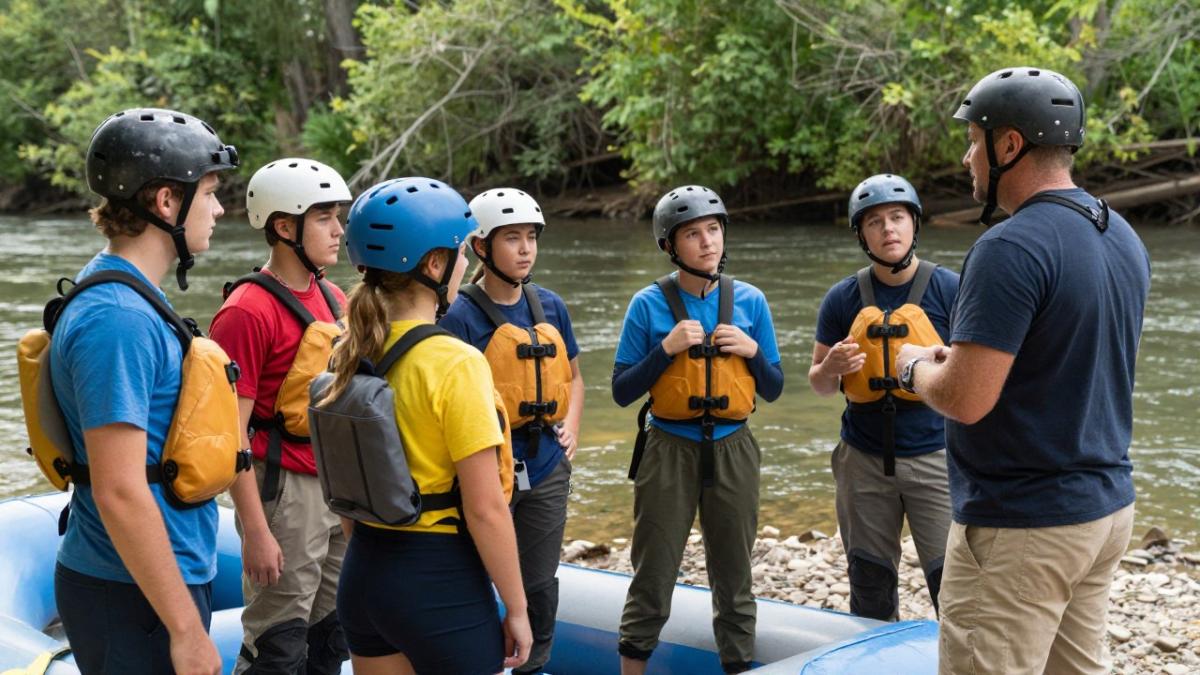
Arrive on time, bring your ID and any waivers, and tell staff about medical conditions. You can find practical guidance on preparing for check-in and the day ahead on our preparation page. A snug helmet and life vest matter more than you might think. The safety briefing covers paddling commands, what to do if you fall out, and how to hold on in the water.
The Rapids: Waves, Holes, Drops, and Eddies
Expect large waves, holes where water recirculates, and drops that can throw the raft forward. Eddies are calmer pockets of water behind rocks, and guides often use them to regroup. Hold your paddle firmly, follow commands instantly, and keep your weight low in the boat.
Swims, Flips, and Rescues: A Realistic Picture
Most Class IV trips run without a flip, but swimming is a possibility you should plan for. If someone falls out, the guide will call for everyone to stay calm, point you toward the raft, and use a rescue line if needed. Keep your feet up and downstream when you are in the water, and do not try to stand in fast current.
What to Wear White Water Rafting on a Class IV Day
Wear quick-dry layers, such as synthetic shorts or pants and a long-sleeve rash guard, with neoprene booties and a secure hat or sunglass strap. For more on gear suited to cold water, see our guide. Leave cotton at home, since it holds water and drains body heat.
A practical packing checklist:
- Quick-dry clothing and a spare dry layer for the car
- Neoprene booties or water shoes with straps
- Sunscreen and a secure hat
- Sealed bag for phone and keys
Class 4 Rapids in California: Where to Find Them and How Water Changes the Trip
California rivers offer Class IV water in several places, and the experience shifts with the season. Spring runoff makes the water bigger and colder, while late-summer flows can be gentler. Water level and weather decide how a trip feels, so ask your outfitter what conditions to expect when you book.
Booking Your Class IV Trip with Sierra Mac
Sierra Mac has been a family-owned rafting outfitter since 1965, and our guides are professional and local. Visit our website for current pricing and available dates before you choose a run, since costs depend on the date and trip length. Check prices and schedules for our Cherry Creek, Main Tuolumne, and Merced trips before you book. Yosemite National Park’s visitor information
Ready to take on the river? Book your Class IV trip with Sierra Mac and feel the power of Yosemite’s whitewater from the raft.
Frequently Asked Questions
Are Class IV rapids dangerous?
Class IV rapids are intense and carry real risk, including powerful currents, large waves, and steep drops that can flip a raft or throw passengers into the water. Risk is managed through guide expertise, a thorough safety briefing, properly fitted personal flotation devices and helmets, and a clear swim and rescue procedure. Reputable outfitters match trips to participant readiness, so guests should be honest about their swimming ability and experience before booking.
Are Class IV rapids suitable for kids?
Many outfitters allow children around age 12 and up on Class IV trips, but age limits and minimum requirements vary by company and river. Children should be strong swimmers who can stay calm in turbulent water and follow paddling commands. Ask the outfitter about its age policy, guide-to-guest ratios, and how it handles nervous first-time rafters before booking a family trip.
What should I wear on a Class IV rafting trip?
Wear a quick-drying swimsuit or synthetic athletic clothing, not cotton, under a splash-resistant layer. Closed-toe water shoes or river sandals with heel straps protect your feet and stay on. Bring a towel, sunscreen, and a dry set of clothes for the drive home. Water temperatures on Class IV rivers are often cold, especially in spring, so ask your outfitter whether a wetsuit or splash jacket is recommended for the season.
How does Class IV rafting compare with Class III?
Class III rapids have irregular waves and obstacles that require some maneuvering, while Class IV rapids have powerful, continuous currents, large unavoidable waves, and more precise route selection. Class IV demands quicker reactions and a greater margin for error, which is why guests typically need more paddling experience or a strong willingness to follow guide instructions. Both are rated on the same international scale, but Class IV is considered advanced whitewater.